France faces major ‘grid resilience test’ amid scaling up of renewable capacity
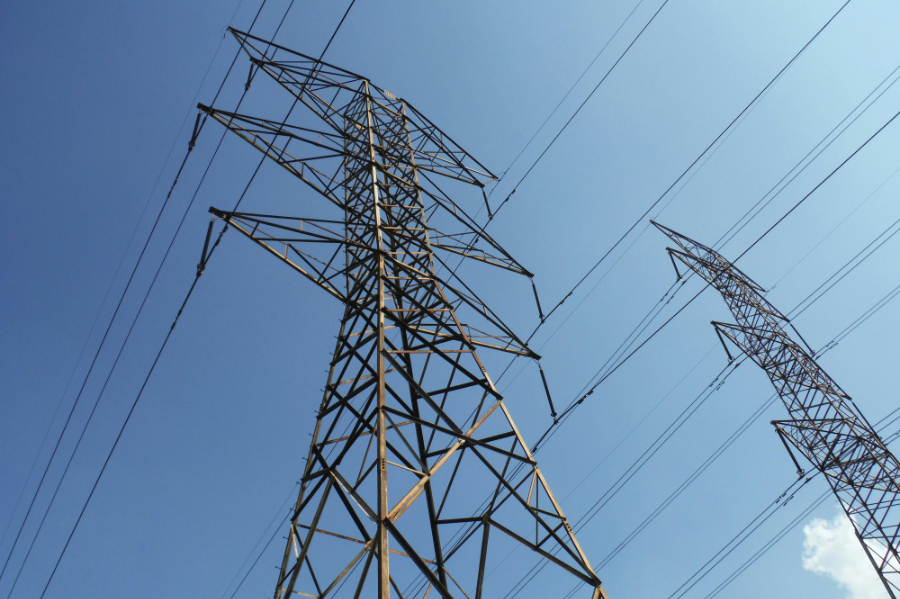
France is likely to face a significant test of grid resilience in the coming years as renewable energy and energy storage scale up alongside the country's continued reliance on nuclear power, according to new analysis from GlobalData.

France is likely to face a significant test of grid resilience in the coming years as renewable energy and energy storage scale up alongside the country’s continued reliance on nuclear power, according to new analysis from GlobalData.

According to GlobalData‘s report, France Power Market Trends and Analysis by Capacity, Generation, Transmission, Distribution, Regulations, Key Players and Forecast to 2035, France’s nuclear capacity is expected to remain at between 61GW and 63GW from 2025 to 2035, with incremental growth driven by reactor upgrades and life extensions.

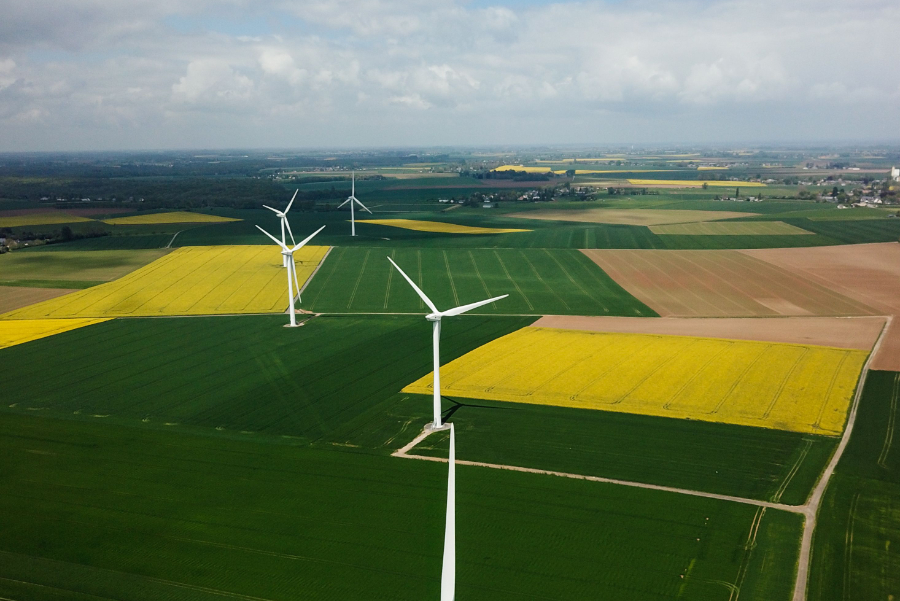
At the same time, solar and wind capacity is expected to nearly double over the same timeframe, however variability in their output heightens the need for flexible resources.

‘Market mechanisms’

France should strengthen market mechanisms so that flexibility and dispatchability are properly rewarded through capacity payments, ancillary services, and stable contracts for storage and backup power,” commented Attaurrahman Ojindaram Saibasan, power analyst at GlobalData.

“The country also needs to streamline permitting for storage, maintain pumped hydro infrastructure, speed up battery deployment, and establish clear regulatory pathways and investment support for small modular reactors (SMRs).”

According to GlobalData, large hydropower and pumped storage will play an important role in managing daily and seasonal variations, while battery storage systems will similarly become increasingly important for short-duration shifts, including frequency regulation and support during evening peaks.

While gas-fired power plants are declining in share, they may also be required to play a role in providing additional supply during periods of low renewable generation, or maintenance. France has committed to phasing out coal-fired power by 2027.

Cross-border connections

Elsewhere, France is also expanding cross-border electricity interconnections, with projects including the IFA-2, Savoie-Piémont and Celtic Interconnector set to bolster electricity trading capacity with neighbouring markets.

“Small modular reactors (SMRs) are gaining recognition as potential capacity bridges beyond the 2035 horizon,” Saibasan added. “With lower capital intensity, modular deployment, and enhanced safety features, they may provide additional firm low-carbon capacity in regions where large-scale nuclear projects face siting, permitting, or cost constraints.

“If the enablers are well-implemented, France can sustain reliable baseload power through nuclear even as renewables surge, with storage and interconnections buffering variability and keeping carbon emissions low, energy security high, and fossil fuel dependency diminishing. Without them, rapid renewable expansion risks supply volatility, increased reliance on gas during stress periods, and higher system costs for consumers.” Read more here.

Discover more from Sustainability Online

Subscribe now to keep reading and get access to the full archive.

Continue reading