The Climate Change Advisory Council’s latest annual review has said that climate adaption needs to become a ‘central national priority’ in Ireland, particularly in terms of strengthening flood resilience and critical infrastructure.
According to Our Changing Climate 2025, the first publication in the council’s annual review series, climate change is having ‘measurable impacts’ in Ireland, which is facing an ‘urgent need’ to reduce its dependency of fossil fuels and strengthen its preparedness for climate impacts.
‘No longer a future issue’
“Climate change is no longer a future issue,” commented Prof. Peter Thorne, chair of the adaptation committee of the Climate Change Advisory Council. “Its damaging impacts are being felt across the environment, the economy and our communities. We are seeing clear evidence that a warming climate is leading to more frequent and severe extreme weather events.”
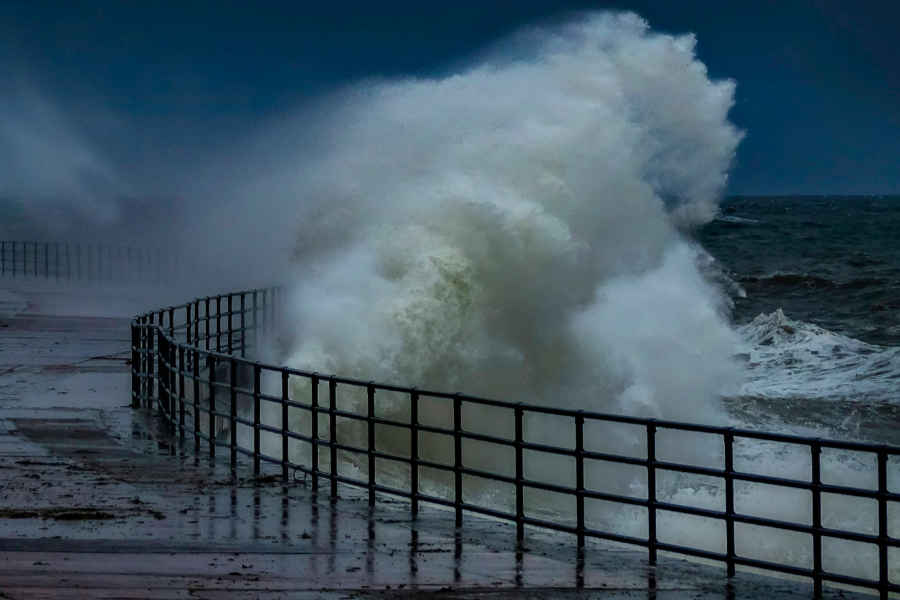
The council highlighted a direct link between continued greenhouse gas emissions and the extreme weather Ireland has had to deal with in recent years – Storm Claudia, in November 2025, was ‘twice as likely’ due to emissions-related climate change, as well as being 12% more intense than it would have been in pre-industrial times.
Elsewhere, Storm Éowyn, which hit Ireland in early 2025, was the most expensive storm in Irish history, causing over €301 million in insurance claims and exposing weaknesses in critical infrastructure such as energy, water, and telecommunications systems. It also saw the highest ever wind gust recorded in Ireland, of 184km/h.
Storm Chandra, earlier this year, also brought prolonged rainfall and severe flooding in many parts of the country.
National priority
The council has stressed that adaptation – including improving flood defences, strengthening infrastructure, and enhancing data collection – needs to become a national priority, and will require ‘sustained investment in climate resilience’, alongside coordinated policy and long-term planning.
“We must shift from reacting to extreme weather events to anticipating and preparing for them,” Thorne added. “Effective adaptation measures that tangibly increase resilience are essential to protect people, our economy and our way of life. This must be underpinned by better data, stronger infrastructure and sustained investment to ensure we are ready for the challenges ahead.
“Improving our resilience must also go hand-in-hand with reducing our reliance on fossil fuels, not only to address climate change, but also to protect households and businesses from volatile energy costs and strengthen Ireland’s energy security in an increasingly uncertain global context.” Read more here.