The International Renewable Energy Agency (IRENA) has said that the scale and speed of the renewable energy rollout means that the target of tripling renewable energy capacity by 2030 remains a possibility, but will require more ambitious targets.
In particular, 2024 saw additional capacity surge and an acceleration of the migration to clean, sustainable energy, with IRENA’s recent report, Renewable Energy Statistics 2025, identifying five key factors that contributed to a record-breaking year.
1. Record-high renewable energy capacity additions
Global renewable power capacity increased by 585 GW in 2024, representing a 15.1% growth rate—surpassing the 14.3% growth rate recorded in 2023.
According to IRENA, this increase ‘marks a consistent trend of renewables breaking their own expansion records each year, which underscores renewables’ strong business and investment case. As the levelised cost of electricity produced from most forms of renewable power continued to fall, renewables are not only environmentally sound but also the most cost-effective power source for countries around the world.’
2. Renewables dominate global power expansion
Renewables comprised some 92.5% of global power capacity expansion last year, up from 85.8% in 2023, which reflects both ‘accelerated adoption of renewable energy and a slowdown in non-renewable capacity additions – a trend further driven by the large net decommissioning of fossil-fuel power plants in several regions,’ according to IRENA.
Solar and wind energy together accounted for 96.6% of this net renewable expansion, it added.
3. Solar power leads the way
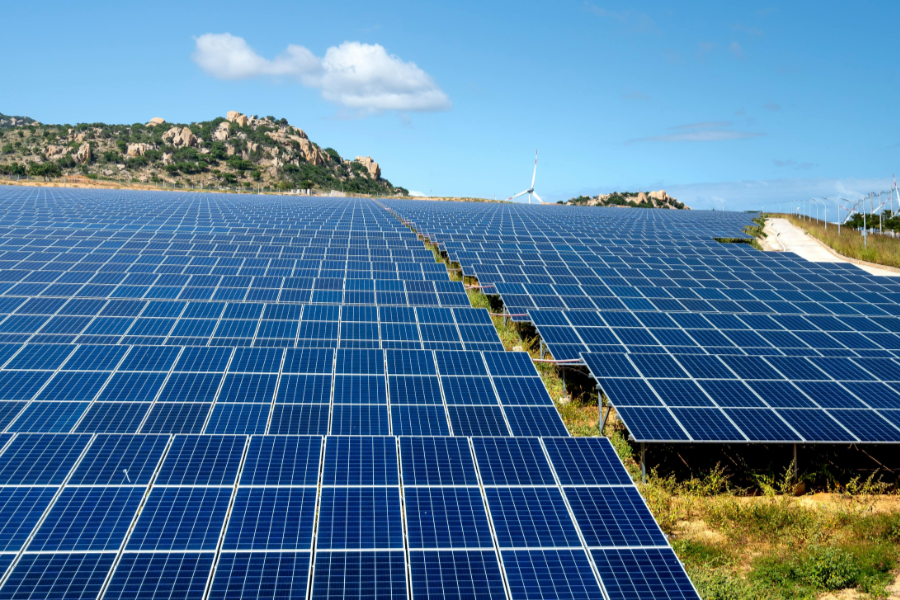
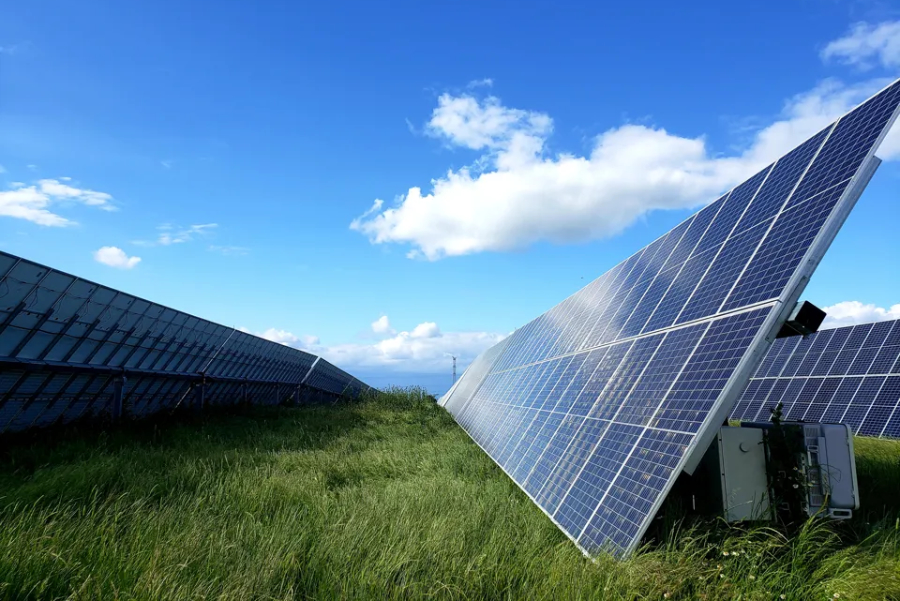
Solar power was the key driving force behind the renewable energy expansion, contributing 42% of the total renewable power capacity.
The solar sector reported a growth rate of 32.2% last year, adding almost 452 GW to reach a global capacity of 1,865 GW.
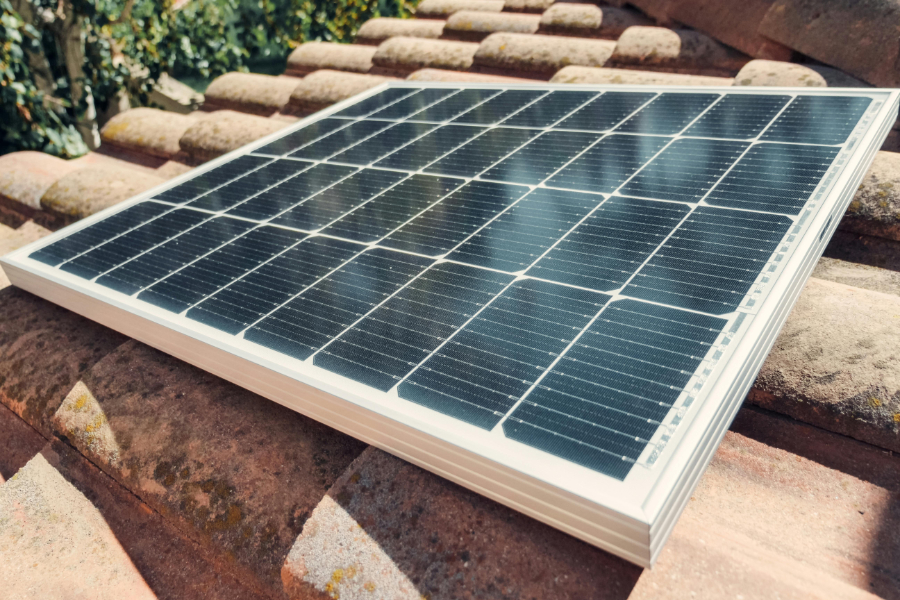
‘Solar photovoltaic (PV) technology accounted for virtually all solar capacity growth, demonstrating its continued cost-effectiveness and scalability,’ IRENA noted. ‘In 2023, the global weighted average cost of electricity from new solar PV projects dropped by 12%, the steepest decline among major renewable sources.’
4. Asia’s dominance amid regional disparities
Asia strengthened its dominance in renewable energy capacity deployment last year, rising from 69.3% to 72% of new global additions. China alone accounted for over 88% of Asia’s increase.
Elsewhere, regions such as Central America and the Caribbean, as well as Africa and the Middle East, saw lower growth rates, underscoring the existing disparities in renewable energy deployment across the globe.
‘Africa’s capacity grew by only 4.2 GW and the Middle East by 3.3 GW, reflecting the persistent geographic disparities in renewables deployment, which presents a significant challenge to achieving the global tripling target,’ IRENA said.
5. Progress to achieve the 2030 target still has some way to go
While last year’s growth is impressive, the target of tripling renewable energy capacity by 2030 remains elusive, with IRENA noting that annual growth needs to accelerate to 16.6% from the current 15.1% if the target is to be met.
‘Boosting the annual growth rate requires more ambitious national targets,’ IRENA noted. ‘IRENA has consistently called for clear, quantifiable renewable energy targets in the next round of the Nationally Determined Contributions (NDCs). To that end, the Agency continues to support its members in enhancing and implementing their NDCs in the energy sector.’ Read more here.