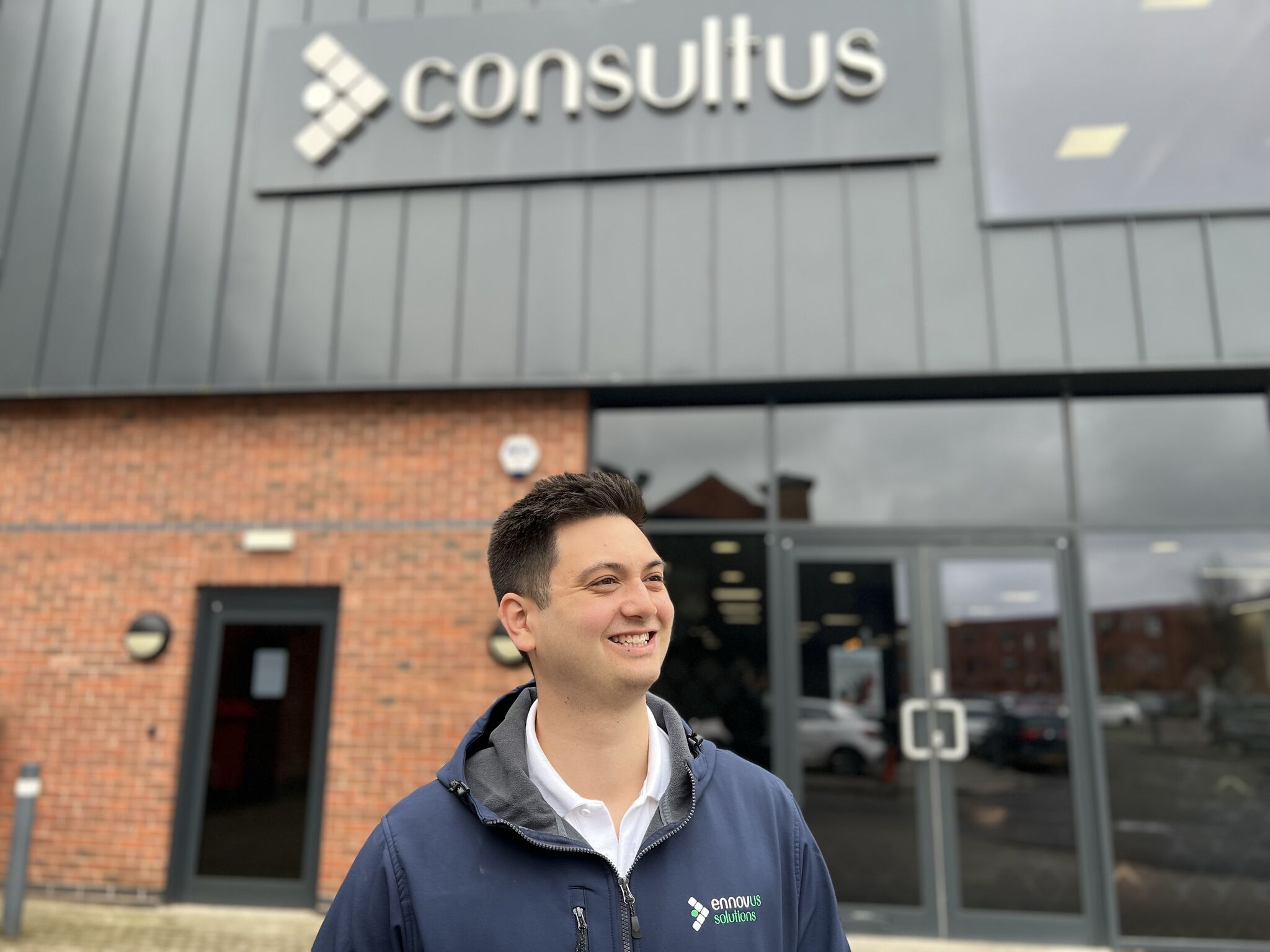
Op-ed by David Woon, head of net zero engineering and operations at Ennovus Solutions.
When it comes to tackling net zero and implementing a sustainability strategy, the scale of the challenge can feel overwhelming for SMEs.
Against rising cost pressures, resource constraints and lack of expertise or support, many businesses place their priorities elsewhere. However, when broken down, sustainability goals can have a host of benefits.
When we look at the levels of awareness and sentiment towards sustainability from SMEs, figures suggest there is a disconnect for many businesses. A staggering two-thirds of SMEs have never heard of Scope 1, 2, or 3 emissions while 82% see sustainability as a barrier to their business – but do believe ‘going green’ could add £52,000 to bottom lines annually.
While larger corporations are setting ambitious net zero targets, SMEs – who often work on a shorter investment cycle – may see the short-term investment as a financial blocker, without realising the significant gains they could make and the impact their choices could have on the UK’s overall carbon footprint.
Replacing pain points with practical steps
When it comes to getting started on a path towards net zero, the three main steps for businesses to consider are reducing energy consumption and spend, before considering whether on-site renewable generation is viable for the business.
The key aspect of this for finance and sustainability managers at SMEs specifically is keeping energy bills down – a natural step for those with tighter budgets. Some ways to approach this include:
Understand energy usage
Before we can begin bringing costs down, it is important to begin monitoring the business’ energy consumption to paint an accurate picture of the data. This is where SMEs can benefit from using metres to capture energy data and spot trends, such as what energy is being used outside of operating hours. This can reveal simple, no-cost behavioural changes that can lead to immediate savings.
Investment in smart controls
Going a step further, installing sub-metering will help to track more granular data energy use in different rooms or on specific appliances. We recommend pairing this with low-cost smart controls that automate energy reduction – such as temperature sensors for air conditioning – which can lower the burden on staff and lead to automatic energy savings.
Implement ‘quick-win’ technologies
Once the first two steps have been addressed, it’s a good chance to start identifying technologies with a strong return on investment (ROI) and a fast payback period. LED lighting is the most common example, with a common payback period of between two and six years. Depending on the type of business, refrigeration and HVAC optimisation for food manufacturers may also be a good option.
Then of course there are solar panel installations, which can be utilised by most businesses, particularly if there is a large rooftop area. Generating energy on-site significantly reduces the daily spend, but the upfront cost can be a significant investment for small businesses, with returns often seen between five and seven years.
However, there are various funding options available that require no upfront cost. Each funding mechanism is slightly different, but they should all be structured such that the energy savings outweigh the repayments for a net positive benefit from year one.
Overcoming misconceptions and securing funding
With the rise of sustainability has come a lot of political backlash, greenwashing and misinformation. We often encounter businesses with an ‘all-or-nothing’ strategy to reach net zero, and this is potentially why there is a reluctance to get started in the first place.
However, the truth is, sustainability is an incremental journey, where small, safe and positive investments can lead to significant results.
Similarly, there is an attitude shift needed to get businesses to move away from ‘it won’t make a difference if we do or don’t’ behaviour. It is easy to blame large economies for climate change or be intimidated by global business strategies, however, with growing supply chain pressures, it is every business’ fight.
For large corporations, such as Tesco, compliance throughout the supply chain will soon become a necessity, as this is the central focus of Scope 3 emissions reductions required to reach the retail giant’s goal to achieve net zero by 2050.
Many of the sustainable solutions that businesses can adopt may be driven by cost savings but deliver sustainability benefits as a bonus. And with various financing options in existence for technologies like solar and LED lighting, such as Energy as a Service (EaaS) or Power Purchase Agreements (PPAs), net zero can just be seen for what it really is; a strategic investment, not just a cost.
The futureproof path
Once the initial pain points are addressed and SMEs can begin to put plans into action, the journey continues with consistent monitoring and reassessment. Particularly for smaller companies, we recommend focusing on working towards a clear goal rather than trying to implement a rigid, long-term plan, because of how quickly things can change.
For example, a sudden surge in sales may change operational requirements, or a recruitment drive might impact internal costs. It’s therefore a case of continually understanding, optimising and re-evaluating progress to suit the needs of the business as it grows.
SMEs have the potential to create powerful waves in supply chains, which start with the small ripple effect of taking responsibility. Even working on a simple way to track emissions using a free online tool or a DIY spreadsheet can go a long way to supporting change.
It’s about much more than flashy accreditations and expensive installations; businesses should feel a sense of empowerment in those first steps towards net zero, acknowledging the challenge and showing commitment to supporting a sustainable future.
For more information and advice on sustainable solutions, visit www.ennovus.co.uk.