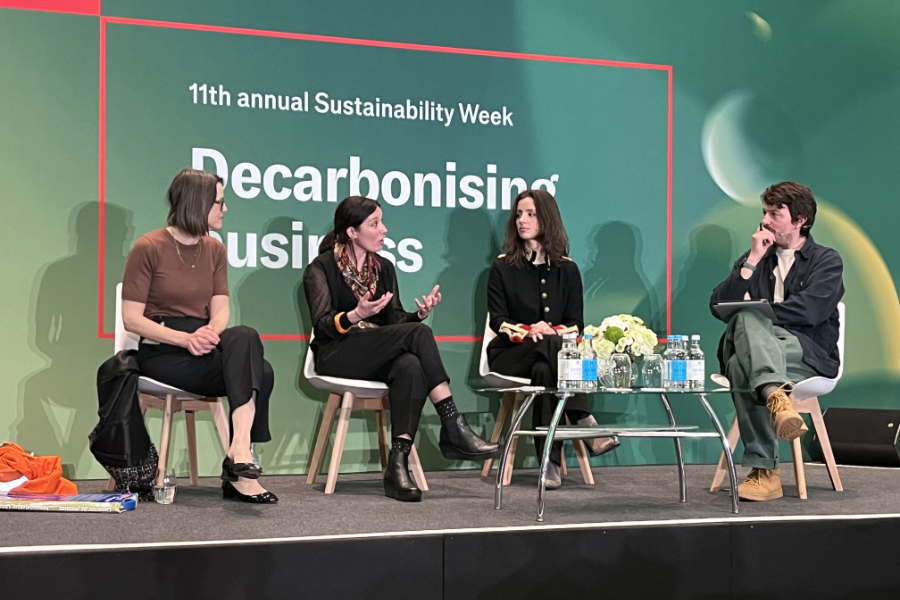
Op-ed by Daniel Philemon, risk evangelist at Aravo.
Every day, billions of products, from the eggs we eat to the leather in our shoes, depend on animals raised far from public view. What happens to these animals before they reach the shelf can create major risks for the brands that sell them.
That reliance creates responsibility. Companies set standards for humane treatment, but enforcing those standards across supplier networks is far more difficult than writing them down.
Farms, transport providers, contract research organisations, and processing facilities operate beyond a company’s direct oversight. That lack of visibility is often where animal welfare risks begin. Most brands rely on large, multi-tier supplier networks spanning hundreds or thousands of third parties, where even a single supplier operating outside expected standards can create significant exposure.
When that happens, the brand absorbs the fallout, from regulatory penalties, public scrutiny, and challenges to sourcing claims. In fiscal year 2024 alone, USDA enforcement under the Animal Welfare Act resulted in more than $1 million in penalties. Despite these stakes, only 42% of companies say their supplier risk visibility (for a variety of risk domains) extends to tier two suppliers or beyond.
What does animal welfare risk look like?
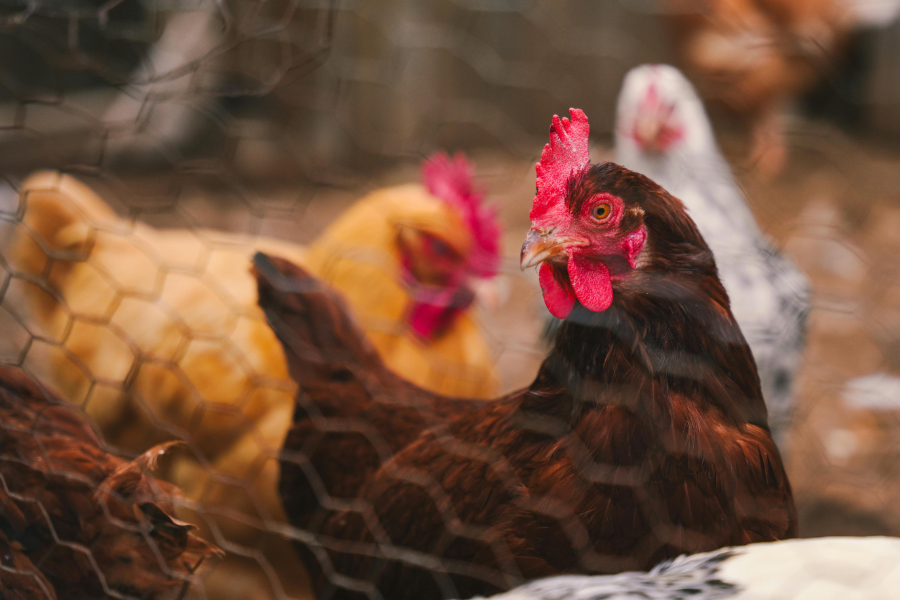
Animal welfare risk can take many forms. In food and beverage, egg suppliers may rely on housing systems that restrict animal movement, while livestock transport can expose animals to overcrowding or extreme conditions. Processing facilities may lack consistent oversight of humane handling practices.
When these issues surface, they often conflict with the sourcing commitments companies make to customers.
Apparel supply chains carry similar exposure through materials like wool, leather, cashmere, and down. Improper shearing that causes injury, live plucking of feathers, and poor animal care practices can introduce risk early.
Limited traceability across intermediaries makes it difficult to verify how animals are treated, allowing these issues to persist long before materials reach manufacturers.
Pharmaceutical and cosmetics companies face related challenges. Many rely on contract research organisations that operate under different regulatory frameworks, where expectations and enforcement may not align with company standards.
While many companies have well-defined expectations and good intentions, visibility and traceability challenges often create gaps in follow through. Closing those gaps requires a more structured approach to how companies identify, monitor, and act on these risks across their supplier networks.
- Focus on where exposure is concentrated. Start by identifying which suppliers handle animals or animal-derived materials. Risk is not evenly distributed, and treating all suppliers the same makes it harder to see where the real exposure exists.
- Set standards that hold across regions. Global frameworks such as the World Organisation for Animal Health (WOAH) offer a baseline, but they do not cover every scenario. Regulations vary by region and enforcement is uneven, which creates inconsistent expectations across global supplier networks. Companies need to translate these frameworks into clear, enforceable supplier requirements, embedded in contracts, assessments, and performance criteria, so standards are applied consistently regardless of location, reducing the risk of regulatory non-compliance and misalignment with brand commitments.
- Build visibility where it does not exist today. Brands must gain visibility beyond their direct suppliers, as the highest-risk animal welfare practices often occur early in the supply chain, outside their immediate control. Out of sight does not reduce accountability for consumers or regulators. Assessments, audits, and monitoring tools help collect information on housing, handling, transport, and care, allowing teams to track supplier performance and identify issues earlier.
- Treat monitoring as an ongoing process. Initial assessments provide a starting point, but they do not capture how conditions change. Ongoing audits, incident reporting, and third-party investigations often reveal issues that were not visible at onboarding. When violations occur, companies need to act, require corrective action, and confirm that changes are made.
- Be prepared to walk away. Some suppliers will not meet expectations, even after corrective action. In those cases, companies need to decide whether the relationship can continue. Replacing a supplier may require sourcing alternatives or adjusting the supply chain, but allowing known issues to persist creates greater risk over time.
Where this leaves sustainability leaders
Animal welfare is exposing a broader gap in supply chain oversight. Standards are set at the top, but risk is created where operations actually take place.
When something goes wrong, customers and regulators hold the brand accountable. They look at the product, the claims behind it, and whether those claims hold up in practice. When supplier practices fall short of those commitments, trust erodes quickly and the consequences follow.
Sustainability leaders are expected to ensure brand commitments follow through. That requires working across procurement, compliance, and risk teams to ensure standards are applied in practice, not just documented.
Companies that build visibility into their supplier networks can identify issues earlier and address them before they escalate. Those that rely on policy alone will continue to react after the damage is already done.
Learn more about Aravo at www.aravo.com.