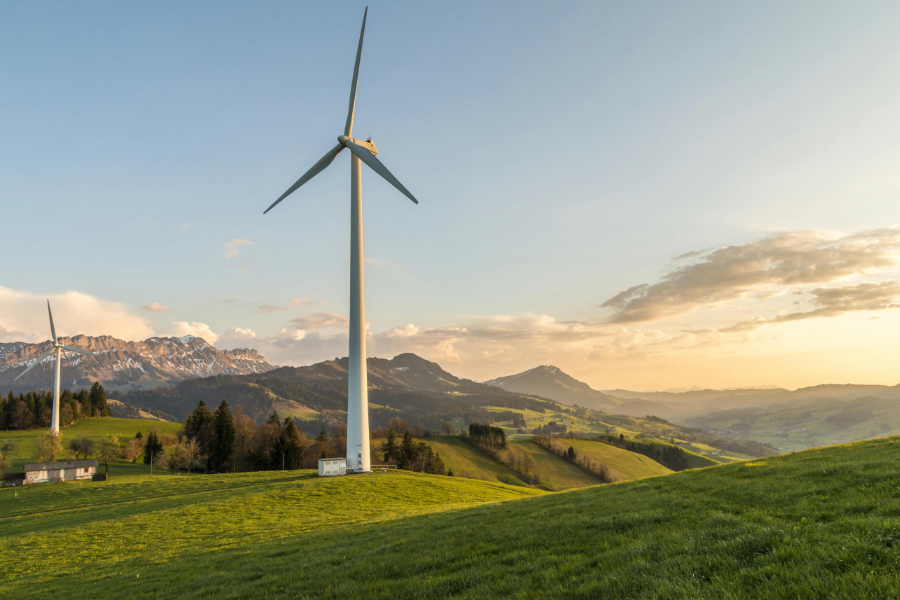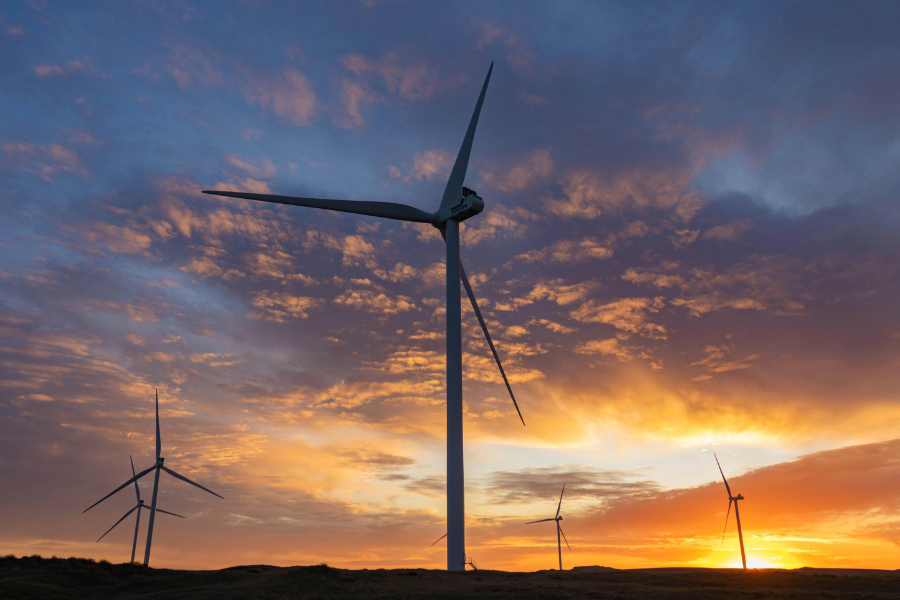
More than three quarters (77%) of Irish consumers would support renewable energy projects near their homes, a new report by KPMG has found.
According to KPMG’s report, support for local renewable energy projects is even stronger among those living in Dublin (81%), as well as those in the 18-24 age cohort (89%).
Energy transition
“Ensuring Ireland reaches its net zero energy targets requires the building out of large-scale energy infrastructure and renewable energy projects,” commented Rodney Doyle, managing director, Energy Transition, at KPMG. “While the support for disruptive energy infrastructure projects is encouraging, one of the most important elements in powering Ireland’s energy transition will be our ability to bring citizens on the journey with us.”
The study indicates widespread support for large-scale infrastructure projects in Ireland, with offshore wind energy projects backed by 78% of respondents, while 72% support onshore wind and solar initiatives.
Public sentiment towards nuclear power is more negative, however, with 28% of respondents supporting the development of nuclear power plants, and 49% in opposition.
Local infrastructure
According to the study, three quarters (74%) of respondents are more likely to support large-scale infrastructure projects if they create local jobs, while 72% support projects that would lead to investment in local infrastructure, schools, and community facilities.
Large-scale projects that help Ireland reduce its carbon emissions footprint (61%) and achieve net-zero goals (58%) were also welcomed by respondents.
“Ireland’s energy transition will lead to a more decarbonised energy system,” added James Delahunt, corporate finance partner, Sustainable Futures at KPMG. “However, it must also continue providing energy security and supporting the economy’s growth.
“Educating and engaging citizens is vital so that people fully understand how the energy transition will provide us with decarbonised electricity, secure and resilient energy supply, and empowered customers.”
Notably, more than half of respondents (57%) said that they would not be willing to pay higher taxes in order to facilitate the energy transition. Read more here.