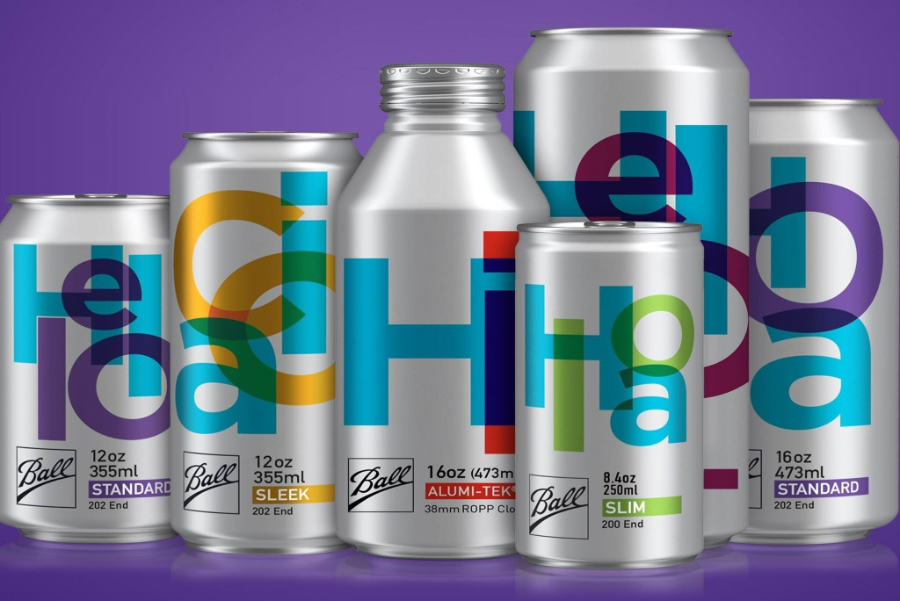
Packaging firm Ball Corporation has published its 2025 Combined Annual and Sustainability Report, in which it said that around three quarters (74%) of the aluminium used in its beverage packaging last year came from recycled sources.
In addition, Ball Corporation noted that 34% of purchased aluminium was certified by the Aluminium Stewardship Initiative (ASI), as it the company ramped up its sustainable sourcing practices.
In terms of energy, the company said that 84% of its global electricity usage came from renewable sources.
Elsewhere, the Ball Foundation, its philanthropic arm, invested more than $4.1 million in supporting its global communities – this included more than 24,000 hours of employee volunteering, and the company responding to 20 natural disasters across eight countries.
Sales performance
Ball Corporation reported net sales of $13.16 billion for 2025, as well as record levels of comparable diluted earnings per share and adjusted free cash flow.
During the year, the company said that it shipped 111.9 billion units of aluminium packaging worldwide, and invested some $474 million in its operations around the world, ‘strategically positioning the company to deliver ongoing value and meet evolving customer needs’.
‘Sustainability, quality and efficiency’
“2025 was a record-breaking year with our global team delivering exceptional results,” commented Ron Lewis, chief executive officer of Ball Corporation. “Staying close to our customers is more important than ever and that proximity is helping us innovate, grow and deliver value faster. We continue to scale and standardise our operations to fully leverage our manufacturing expertise and expanding footprint, serving our customers when and where they need us most.
“Our belief in aluminium is bolstered by its superior sustainability, quality and efficiency. Looking ahead, we have a clear strategy in place and a team dedicated to delivering value for our shareholders and making a difference for our company, our customers and our communities.”
Ball Corporation has set out 2030 sustainability targets in areas such as responsible sourcing, resource efficiency, material health, climate, and circularity, including use of certified aluminium, supplier assessments, energy and water reductions, emissions cuts, and recycling rates. Read more here and here.