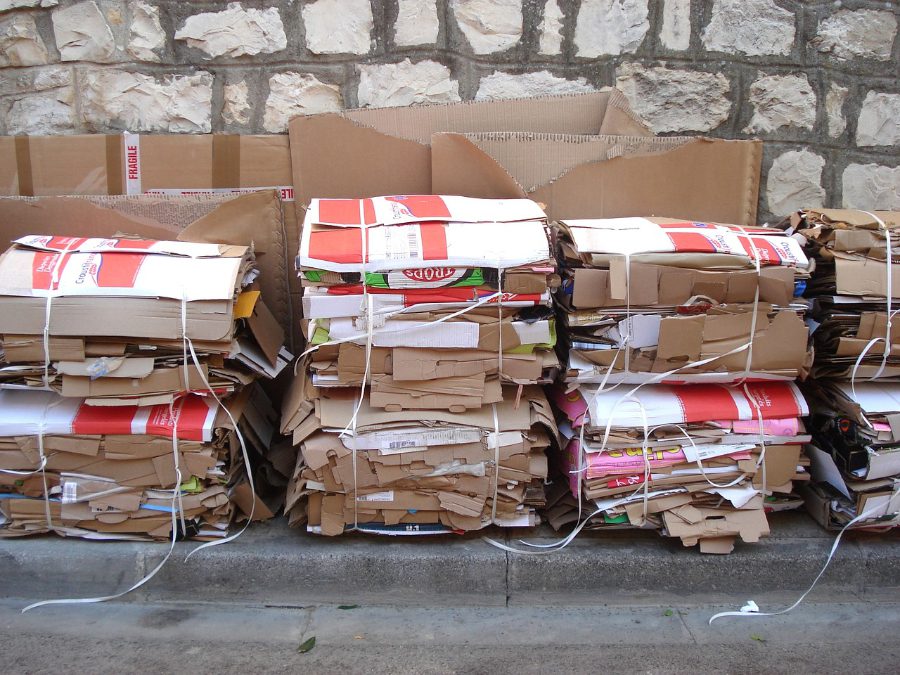
Belgium achieved a recycling rate of 80% for its packaging waste in 2022, new data from Statbel, the country’s statistics office, has found.
This is an increase of ten percentage points from 2002, when Belgium recycled 70% of its packaging waste.
Recycling rates for glass packaging stood at 98%, with metals at 96%, paper and cardboard at 86%, and wood at 67%.
Plastic recycling
Plastic, however, remains an outlier, and while Belgium has made positive strides in increasing its plastic recycling capabilities, just 54% of plastic is currently recycled. This is up from 29% in 2022, Statbel noted.
In terms of the total weight of packaging waste produced, paper and cardboard make up the largest share at 39%, followed by glass at 21% and plastic at 19%.
The total amount of packaging placed on the Belgian market in 2022 decreased by 1.3% compared to the previous year, amounting to over 1.9 million tonnes.
Statbel refined its methodology for calculating packaging waste recycling in 2020. The calculation now considers the packaging placed on the market within the same year, accounting for imports but excluding exports, unless it can be proven that exported packaging was recycled in line with European regulations.
Waste generated
Data published in September indicated that 63 million tonnes of waste were produced in Belgium in 2022, with two sectors responsible for more than four fifths of this total – construction, with 41.4% of the waste produced (26 million tonnes) and industry with 40.4% (25 million tonnes).
The service sector accounted for 10% of the total waste production (6 million tonnes) in Belgium in 2022, followed by households with 7.7% (5 million tonnes) and agriculture with 0.4% (272,374 tonnes).
The average production of municipal waste per capita dropped from 779 kg in 2021 to 683 kg in 2022. This represents a reduction of 12.3%, according to Statbel. Read more here and here.