Brazil‘s government has confirmed a major accommodation rollout ahead of the COP30 climate change conference taking place in Belém in November, confirming that the event will have sufficient lodging options for all visitors.
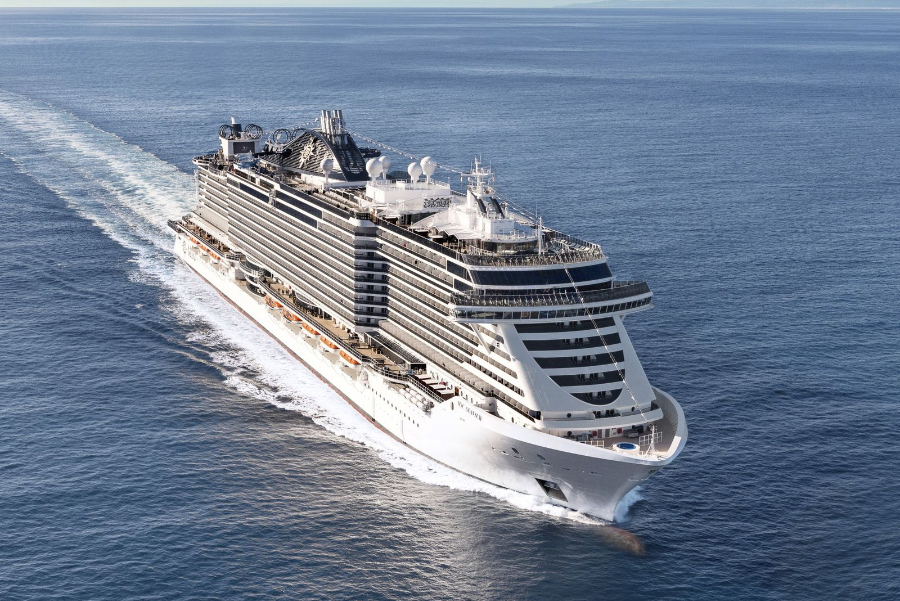
Through a partnership between the COP30 secretariat and Embratur, two cruise ships – MSC Seaview (pictured) and Costa Diadema – will be docked at the revitalised Port of Outeiro, expanding lodging capacity by around 3,900 cabins and 6,000 beds.
A new bridge is also being constructed that will provide ‘rapid access’ – of around 30 minutes or so – between the port and the official conference venue.
Lodging options
“These two large ships are part of a variety of lodging options designed to accommodate all COP30 attendees, including UN delegations, observers, civil society organisations, academic institutions, and businesses,” commented Valter Correia, the special secretary for COP30.
Accommodation will be offered in phases and coordinated alongside the United Nations Framework Convention on Climate Change (UNFCCC). As part of the first phase, lodging will be made available to 98 smaller developing and island nations at a subsidised daily rate of up to $220. In a follow-up phase, other countries will be able to purchase accommodation at rates of up to $600 per day.
Increased flights
Elsewhere, the number of flights serving Belém during the duration of COP30 is set to be expanded significantly, the organisers added, with a 23.3% increase in domestic travel seats compared to the corresponding month last year.
This translates to over 46,000 additional seats, or 245,700 in total, with some 221 new domestic flights to Belém added during November, bringing the total to 1,395 flights.
For international destinations, the expansion is more pronounced, with 44% more seats available – from 3,888 to 5,610.
“This expansion marks a milestone for tourism and for Brazil’s preparation to host the planet’s largest climate conference,” added Celso Sabino, Brazil’s tourism minister. “We are working to guarantee not only infrastructure but also seamless access. Belém will be more connected to Brazil and the world.” Read more here and here.