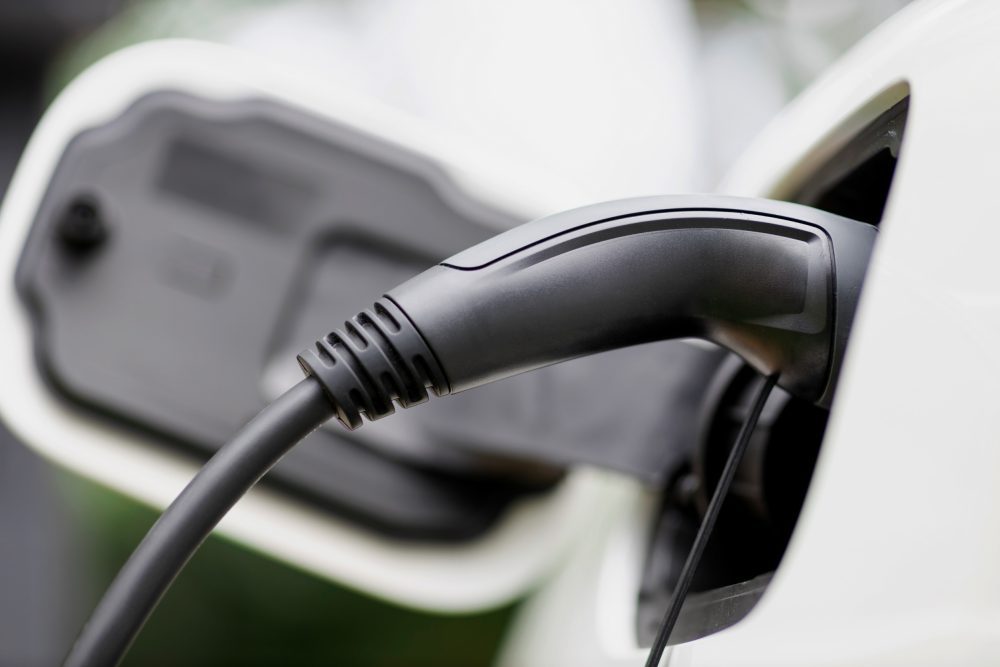
Dual-voltage charging stations are ‘changing the game’ for electric vehicle charging, and will play a key role in bolstering the adoption of EVs on a global basis, a new report from GlobalData has suggested.
According to GlobalData’s report, Tech Frontiers: The Automotive Edition, dual-voltage charging are ‘particularly crucial’ in boosting EV adoption, as they support multiple charging standards and enhance accessibility and flexibility.
It noted that the patent landscape for dual-voltage charging stations includes over 30,000 total patents filed, with a number of new companies entering into this market on an annual basis, highlighting the sustained level of interest and investment in advancing this technology.
‘Flexible solutions’
“Dual-voltage charging stations are changing the game for EV charging by offering flexible solutions that work with various vehicle standards,” commented Rahul Kumar Singh, senior analyst of disruptive tech at GlobalData.
“This ease of use alleviates range anxiety for drivers. Meanwhile, increasing patent activity in sustainable transportation and climate change points to a strong push towards developing technologies that promote environmentally friendly and adaptable energy solutions.”
Dual-voltage charging innovations
Recent developments in dual-voltage charging technologies include Spain-based Circontrol’s introduction of the ‘Raption Compact 80’ in February 2024, a dual-charging EV station for both urban and interurban sustainable transport requirements.
Elsewhere, in January 2024, Toyota launched the ‘bZ4X’, a battery electric vehicle model featuring a dual-voltage charging cable, catering to a broader spectrum of consumer needs. Finally, in October 2023, Brazil-based electrical equipment manufacturer WEG introduced ‘WEMOB Parking,’ a charging station adaptable from 100 to 240 V single-phase/two-phase and up to 415 V three-phase.
“The expansion of dual-voltage charging stations is essential for the widespread adoption of EVs worldwide, making EV charging more accessible and reliable for everyone,” Singh added.
“As this technology advances, it faces challenges like ensuring compatibility with different vehicle models and handling the increased demand for power grids. Nevertheless, the steady rise in patent activity and ongoing technological progress in this field point to a promising future.”
Read More: What European country boasts the highest number of electric cars?