Europe accounts for the majority of the global sustainable investment fund market, according to a new report by Pheonix Research.
The sustainable fund market grew ‘slowly but steadily’ last year, with some 7,485 sustainability-themed funds currently operational around the world, a 7% increase on the previous year.
Europe and the United States continue to hold the majority of these funds, accounting for 73% and 9% of the global market, respectively, with the total assets of sustainable funds reaching around $3 trillion. Europe accounts for around $2.5 trillion of this.
Responsible investment
‘Recent statistics show that ESG-focused funds’ assets under management have grown, showing a growing demand for responsible investment solutions,’ Pheonix Research noted. ‘Demand for sustainable business solutions is being driven by institutional investors such as pension funds and endowments, as well as individual investors who want to align their portfolios with their convictions.’
On a global level, there has been a ‘surge’ in interest in sustainable investing over the past year, with businesses citing factors such as inflation (56%), climate science results (53%), and financial performance (52%) as driving forces.
The ESG investment market is segmented by various investment types, including equity, fixed income, and real assets, and by asset classes such as public equity, private equity, bonds (e.g., green and sustainability bonds), and mutual funds.
Areas of focus
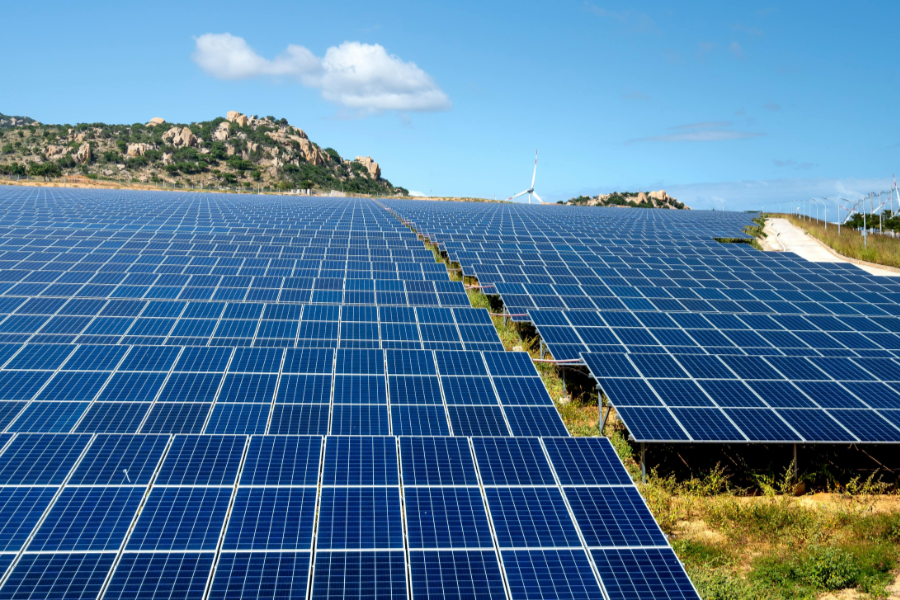
As to the industries that are leading the charge in terms of sustainable investment, renewable energy, clean technology, and healthcare are among the leading areas receiving ESG financing.
‘Investors are increasingly interested in sustainable investing, even if they believe their investments outperformed traditional ones,’ Pheonix Research added. ‘Sustainability-focused investors prioritise long-term investments and may not be as concerned with short-term swings.
‘Existing sustainable financing vehicles, such as green and social bonds, as well as renewable energy project funding, are expected to expand further. However, this mammoth change toward a low-carbon global economy will necessitate extraordinary economic collaboration and innovation in order to implement new technologies and create new business models.’ Read more here.