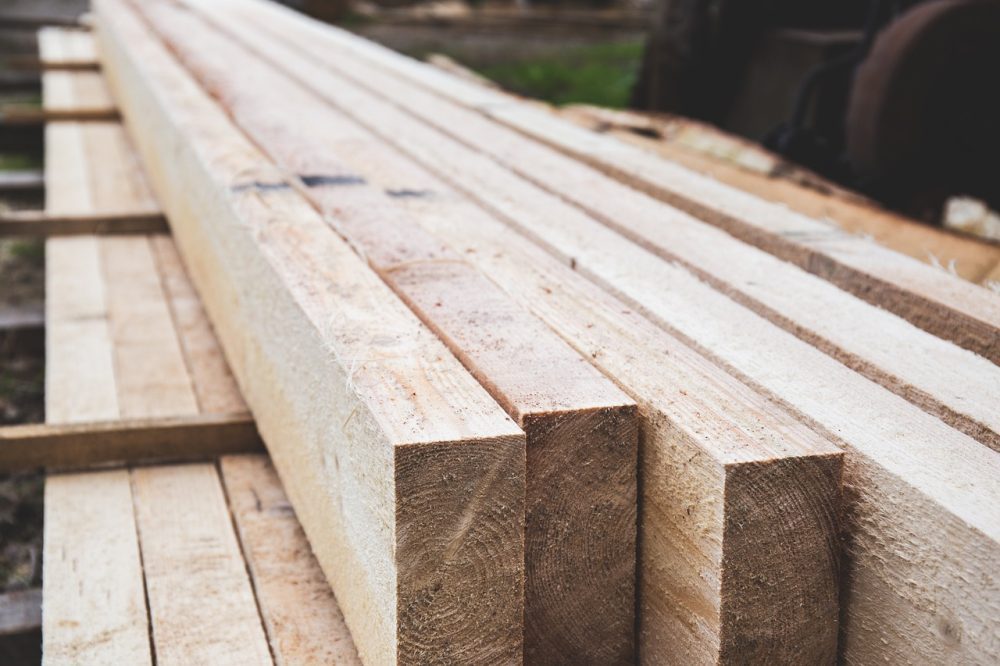
A study by the University of Bristol has called for a departure from using certified, locally sourced timber in construction and interior design, advocating for a more nuanced understanding of timber availability and sustainability.
The study, developed ‘amid growing uncertainty about the sustainability of timber sourcing’, notes that global demand for timber is expected to quadruple by 2050.
In response, the UK has shown interest in meeting this demand by increasing the use of domestic timber, which could potentially reduce transportation emissions, however, this strategy is complicated by limited timber availability.
As the University of Bristol study finds, the UK has one of the lowest forest cover percentages in Europe, and with a decline in tree planting rates over recent decades, timber availability could begin to dwindle as early as the early 2030s.
Sustainable timber use
The study aims to reframe the concept of sustainable timber use by moving beyond the simplistic notion of local sourcing. Instead, it emphasises the importance of adapting timber designs to fit within the constraints of UK forests.
By reviewing current timber use practices in the UK and mapping the flow of wood through the economy, the study offers insights on how designers can minimise reliance on virgin timber and better utilise existing, though underused, forest resources.
The framework proposed in the study extends beyond the conventional circular economy model, which priorities material reuse and recycling, and embraces the concept of regenerative design. Regenerative design aims to balance societal and ecological needs, fostering mutual prosperity and co-evolution between human activities and natural systems.
Forest ecosystems
“This approach is particularly timely given the global climate and biodiversity emergency, with experts warning of a potential catastrophic collapse of forest ecosystems in the UK within the next 50 years,” commented Matthew Leeder, a researcher from Bristol’s Faculty of Engineering and PhD student in the EPSRC Centre for Doctoral Training in Composites Science, Engineering, and Manufacturing (CoSEM), who is leading the study.
“The study lays the groundwork for a more regenerative approach to timber use, supporting a sustainable supply of domestic timber while promoting the regeneration of UK woodlands.”
Future research from the University of Bristol will aim to develop sustainability assessments that go beyond traditional carbon accounting to offer a more comprehensive evaluation of progress.
“In a world that seems too resistant to change, it’s exciting to work on research that hopes for a more ambitious future, to take a step back from simply focusing on incrementally reducing carbon emissions and to think what the end goal of sustainability research should actually be,” Leeder added. Read more here.