Greenhouse gas emissions fell by 3% in Germany in 2024, to 656 million tonnes of CO2, the third year in a row that emissions have fallen, a new study by Agora Energiewende has found.
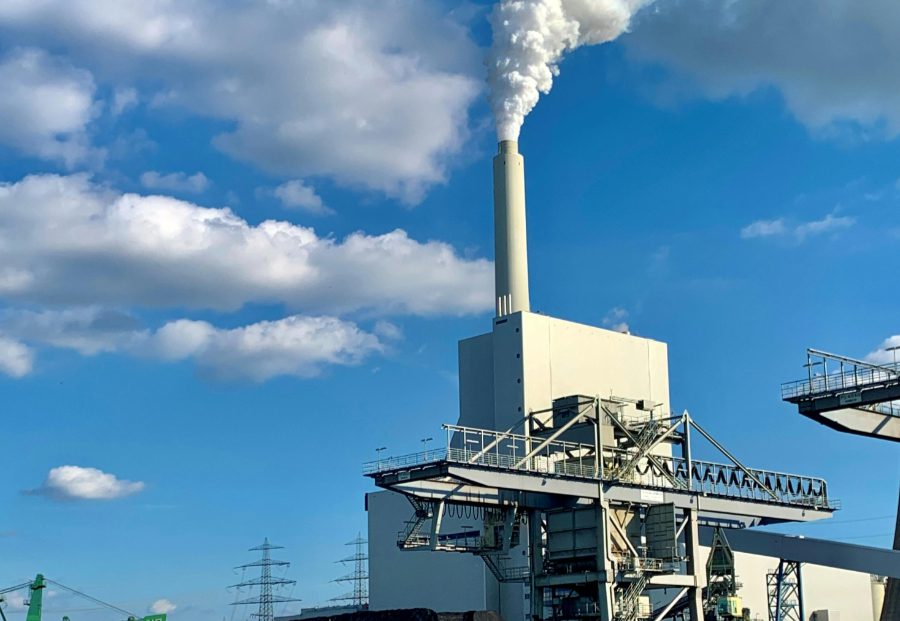
The decline was driven by the transition to more efficient practices in the energy sector, with coal-fired power plants with a total capacity of 6.1 gigawatts shut down during the year, corresponding to 16% of the country’s installed coal capacity.
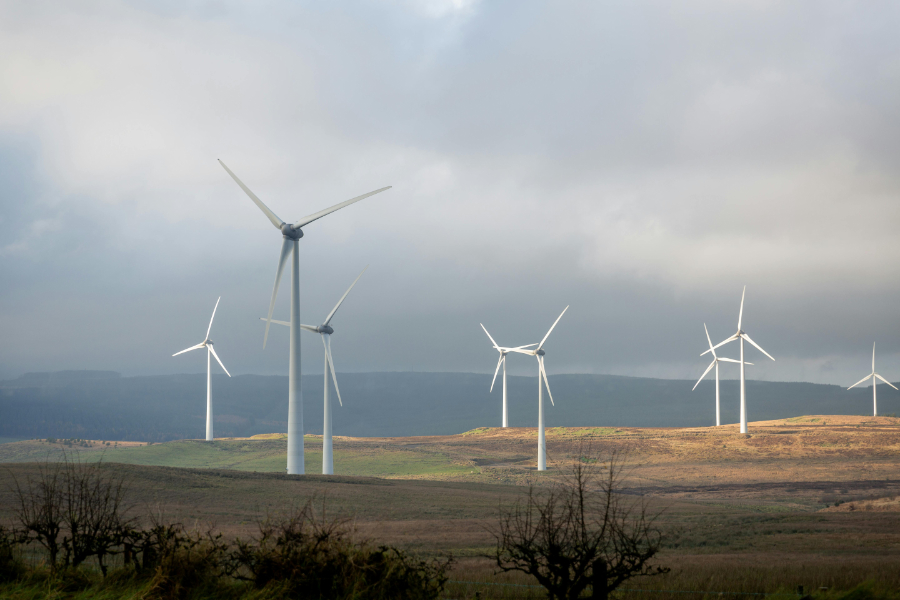
At the same time, renewable energy generation hit a new record high, accounting for 55% of gross electricity consumption.
Mild weather conditions and a weaker economic landscape in Germany were other factors that led to a reduction in emissions, according to Agora Energiewende.
‘Climate protection measures’
“In the electricity sector, the climate protection measures of recent years are increasingly having an impact,” commented Simon Müller, director of Agora Energiewende Deutschland.
“With a significant increase in renewable energies and the positive development in grid expansion, Germany is paving the way for a successful transformation in all sectors. The Federal Republic is increasingly benefiting from falling emissions and cheaper electricity prices on the stock exchange.”
Structural progress
Aside from energy, however, there was little in the way of structural progress in the industrial, buildings and transport sectors, the data found.
In the industrial sector, emissions rose by 3 million tonnes of CO2, mainly due to increased consumption of fossil fuels in heavy industry, while in buildings, a reduction of 2 million tonnes of CO2 was largely driven by reduced heating demand due to mild weather.
In transport, meanwhile, a reduction of 2 million tonnes of CO2 was achieved, mainly due to lower heavy goods traffic as a result of a weaker economy. Car traffic increased, however.
“A key reason for the lack of structural climate protection in the industrial, building and transport sectors is the uncertainty among households and companies,” Müller added. “This led to a general reluctance to invest – despite overall declining electricity costs in 2024.”
The coming legislative period will be “crucial for making the investments necessary for the national and European climate targets,” he added. Read more here.