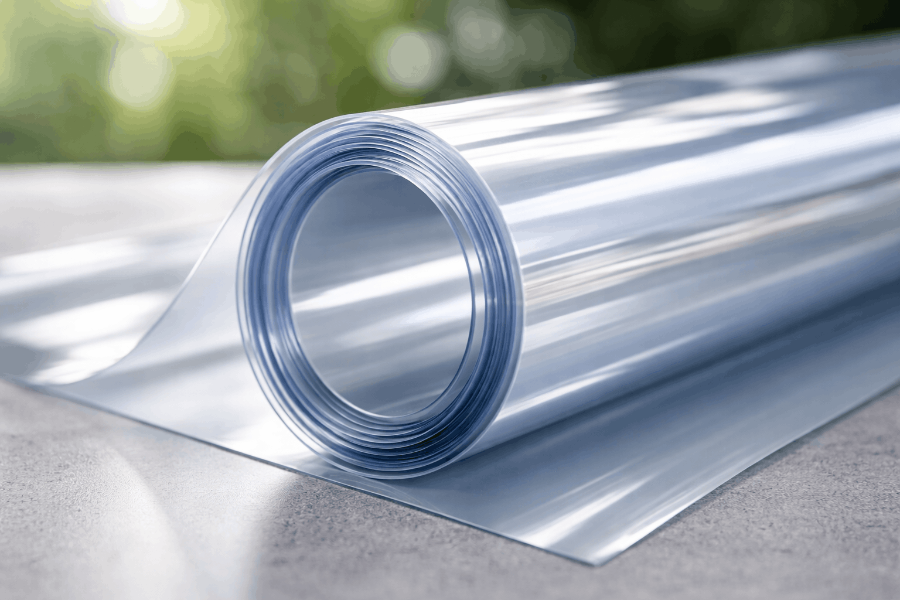
Sustainability is no longer a side topic in product development. It now shapes how brands choose materials, design components, and think about long-term value. This is where LEXAN™ Film stands out. It gives manufacturers a way to balance performance with smarter material choices, which matters whether the end product is an appliance interface, an EV component, or a consumer electronics part.
For many teams, the challenge is not just finding a material that looks good on paper. It is finding one that can handle real use, support efficiency, and fit broader environmental goals. LEXAN™ Film helps on all three fronts, especially when sustainability depends on durability, lower weight, recycled input, and design flexibility.
LEXAN™ Film supports sustainable innovation by helping manufacturers reduce material waste, extend product life, lower transport and energy impact through lightweight design, and use options that include recycled or bio-based content. This matters across industries, because it combines environmental progress with the performance products still need in daily use.
Why sustainable innovation starts with better material choices
A product can only be as sustainable as the decisions behind it. That includes what it is made from, how long it lasts, how efficiently it is processed, and whether it can fit into a more circular system later. Material choice often decides all of those factors before a product even reaches the customer.
That’s why engineers and product teams pay close attention to films and sheets used in visible surfaces, printed layers, electrical insulation, and protective structures.
LEXAN™ Film is useful in this context because it is not limited to one benefit. It can support thinner, lighter, and longer-lasting designs while also opening the door to formulations that reduce dependence on virgin fossil-based inputs. That combination is valuable because sustainability rarely comes from one big fix. In most cases, it comes from a series of practical improvements that add up over time.
Another reason this matters is consumer expectation. People may not ask what polymer sits behind a control panel or display window, but they do notice when products feel flimsy, wear out too early, or seem wasteful. A durable film that keeps products functional and attractive for longer can quietly improve the ownership experience while reducing the need for early replacement.
How LEXAN™ Film supports sustainability in practice
Sustainability claims only matter when they show up in real-world use. LEXAN™ Film supports that through a mix of content innovation, lifecycle thinking, and functional performance that helps products do more with less.
Recycled and bio-based options can lower material impact
One of the clearest ways to improve a plastic component is to reduce reliance on virgin raw material. Some LEXAN™ Film solutions are designed with recycled-content pathways, including post-consumer and other recovered material streams. There are also bio-based options tied to alternative feedstocks.
For companies with carbon or circularity targets, that creates a more practical route to action than redesigning an entire product from scratch.
The key point is that sustainability should not force a poor trade-off. In many applications, teams still need printability, dimensional stability, flame performance, or a polished finish. A film solution that keeps those working properties while improving material sourcing can help projects move forward faster and with fewer compromises.
Durability reduces waste over time
A product that lasts longer usually creates less waste than one that needs early replacement. This sounds obvious, but it is often overlooked when sustainability discussions focus only on recycled content. Films used in harsh environments must resist scratches, heat, repeated touch, and general wear. If that surface fails too soon, the whole product may lose value even if the rest still works.
That’s one reason many manufacturers assess LEXAN™ film for demanding visual and functional parts. It can help protect graphics, maintain appearance, and support reliable performance in components that face frequent handling. Longer service life can reduce replacement cycles, which often matters just as much as the raw material story.
Lightweight design matters more than many teams expect
Weight affects more than shipping costs. It can influence fuel consumption in transportation, system efficiency in electric mobility, and handling in product assembly. Even small reductions become important when multiplied across thousands or millions of units.
In automotive, rail, and aerospace-related uses, lightweight materials support broader efficiency goals because every gram counts. A lighter component can contribute to lower energy demand over the lifetime of a vehicle or system.
That does not mean the lightest option is always best. It means designers should look for materials that reduce weight without giving up safety, compliance, or durability. LEXAN™ Film can help in layered constructions and functional surfaces where both performance and weight matter.
This advantage also shows up in consumer products. Portable devices, home appliances, and compact equipment benefit from parts that are easier to handle and integrate. When a material helps trim weight while keeping the part reliable, manufacturers gain both usability and efficiency. Over time, these small design decisions can shape a more responsible product portfolio.
Where industries see the biggest value
LEXAN™ Film is not tied to one market. Its sustainability value becomes more visible when you look at how different industries use it to solve different problems with the same core logic: reduce waste, extend lifespan, and improve efficiency.
Consumer electronics and appliances
In electronics and appliances, films are often used for overlays, labels, display windows, and control interfaces. These parts need to look clean, stay readable, and handle repeated use. If the surface fades, cracks, or peels too early, the product can feel old long before its internal systems fail.
A better-performing film helps brands build products that stay attractive and functional for longer. That supports sustainability in a simple way: people keep products that still look and work well. It also helps manufacturers reduce defects and waste during production when material consistency is strong.
Electric mobility and charging infrastructure
Electric vehicles and charging systems need materials that support safety, thermal demands, and long service life. Lightweight polymer solutions can help reduce unnecessary mass while supporting insulation, protection, and durable surface performance. That makes them useful for enclosures, interface layers, and related applications where reliability matters every day.
Building products and energy-conscious spaces
While films are only one part of the larger built environment, polycarbonate-based solutions are often valued for light management, insulation support, and weather resistance. In energy-conscious spaces, materials that help manage heat, light, and longevity can contribute to lower operational impact over time. The important lesson is that sustainability is not limited to recycled content. A material that improves energy performance in use may also create meaningful value.
For product teams serving construction-related markets, the smart move is to look at total function. A material choice should be judged by what it helps a system do over years of service, not only by the raw ingredients used on day one. That wider view often leads to better decisions.
What to evaluate before choosing LEXAN™ Film
No material is sustainable in every case. The best choice depends on the application, compliance needs, expected lifespan, and processing method. That is why selection should start with a few grounded questions rather than a broad claim.
First, define what sustainability means for the product. Is the main goal lower carbon impact, longer service life, reduced weight, or more recyclable design? Second, map that goal against performance requirements such as flame resistance, optical clarity, printability, or chemical exposure. Third, review how the part is made. A material that performs well but creates high scrap in production may not deliver the result you want.
A simple checklist helps keep teams focused:
- Identify the biggest environmental pressure point in the product
- Confirm the film’s functional requirements before comparing grades
- Assess lifetime durability, not just initial appearance
- Review recycled or bio-based options where they fit the application
- Consider end-of-life pathways early in development
This approach keeps sustainability grounded in actual design choices. It also reduces a common mistake: choosing a material for one green-sounding feature while missing the full lifecycle picture.
LEXAN™ Film helps teams build smarter products
For designers and engineers, sustainable innovation is usually about progress, not perfection. LEXAN™ Film supports that progress by offering a practical mix of durability, lightweight performance, and more responsible material pathways. That makes it useful for teams that need products to perform well today while aligning better with tomorrow’s expectations.
The strongest results come when sustainability is built into the brief from the start. When material selection, product lifespan, user experience, and manufacturing efficiency are considered together, better outcomes tend to follow. LEXAN™ Film fits that kind of thinking well, because it can support both product quality and environmental goals without forcing the design process off course.
FAQ about LEXAN™ Film and sustainability
- Is LEXAN™ Film recyclable? In many applications, polycarbonate-based film can be part of a recyclable material stream, but the real outcome depends on the full product design, coatings, adhesives, and local recycling systems.
- Does sustainable LEXAN™ Film always mean recycled content? No. Sustainability can also come from lower weight, longer service life, reduced waste in production, or bio-based feedstock options.
- Which industries use LEXAN™ Film for sustainability-focused products? Common examples include consumer electronics, appliances, electric mobility, transportation, and some construction-related applications.
- Can a durable film really improve sustainability? Yes, because longer-lasting components can reduce replacements, cut waste, and help products stay useful for more years.
- What should buyers compare first when evaluating film options? Start with the product’s biggest environmental priority, then compare durability, processing fit, weight, safety needs, and available recycled or bio-based grades.
Source: film-sheet-products.com