With the US and Israel continuing to strike Iran, leading the Middle Eastern country to target the Strait of Hormuz, Greenpeace has said that the burgeoning conflict demonstrates why the world needs to shift away from fossil fuels, particularly oil.
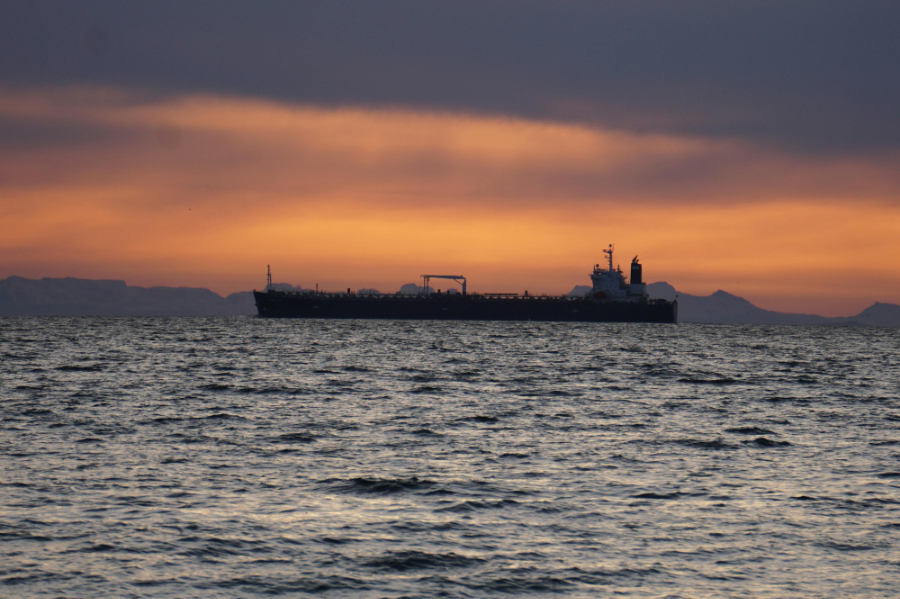
Roughly 20% of the world’s trade oil passes through the Strait of Hormuz, with Greenpeace noting that the ‘mere threat of interruption’ to traffic in this narrow waterway is pushing oil prices higher.
Shockwaves
“Any serious disruption to tanker traffic in the Gulf would send shockwaves through global oil markets and threaten economic stability,” commented Hussein Dia, Swinburne University of Technology. “As international tensions increase, nations from Cuba to Ukraine to Ethiopia are accelerating plans to reduce their oil dependence and boost energy security.”
While the world of 2026 is a very different place to that of 1973, when the oil embargo sent shockwaves around the world, “today, the mechanisms of control look different but the power created by oil dependence remains,” Dia added. “Because prices are global, political instability anywhere can have economic consequences everywhere.”
Reliance on fossil fuels
Climate justice organisation 350.org echoed this sentiment, noting that the unfolding crisis exposes the costs of the continued reliance on fossil fuels.
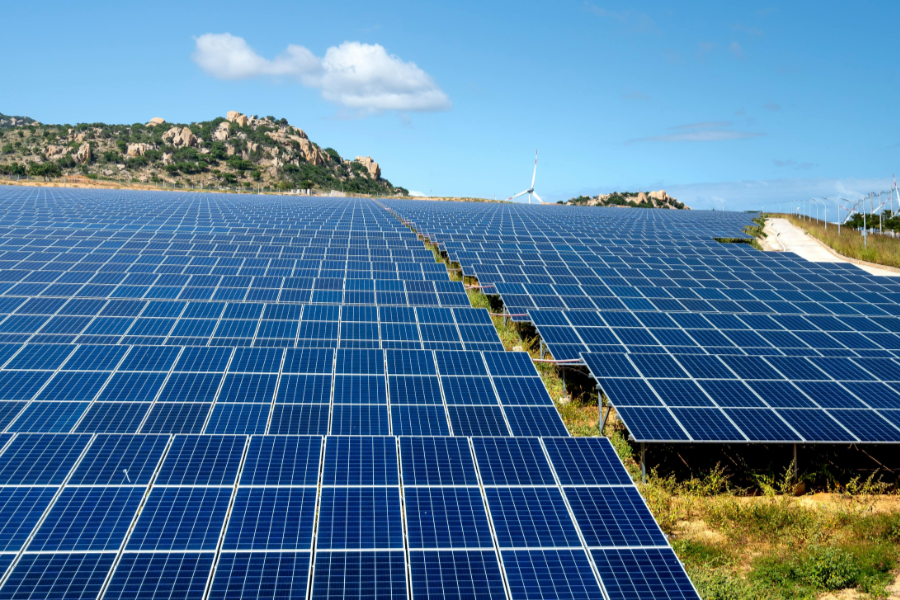
“The new war on Iran and the closure of the Strait of Hormuz lay bare the horrendous costs of a world chained to fossil fuels,” commented Olivia Langhoff, managing director. “When global energy security can be upended by a single flashpoint, it shows how unstable and risky our dependence on oil and gas is. Renewable energy provides home-grown power that remains secure and affordable regardless of geopolitical shocks.”
With the price of crude oil expected to spike yet further as a result of the conflict, 350.org reiterated its call on governments to accelerate the transition away from fossil fuels and towards renewable energy.
“Once again, families will pay the price through fossil fuel-driven inflation: higher fuel costs, rising energy bills, and more expensive groceries as a consequence,” Langhoff added. “All because of a system tied to a volatile, conflict-driven industry.
“Renewable energy offers a world-wide path to real and long-term energy security, one rooted in cooperation, resilience, and justice, rather than instability and violence.”
UN Climate Change
Without referencing the Iran conflict directly, earlier this week, UNFCCC executive secretary Simon Stiell commented that it demonstrates the risks of continued dependence on fossil fuels and reinforces the case for renewable energy.
“This newest upheaval shows yet again that fossil fuel dependence leaves economies, businesses, markets and people at the mercy of each new conflict or trade policy lurch,” he said. “But there is a clear solution to this fossil fuel cost chaos – renewables are now cheaper, safer and faster-to-market, making them the obvious pathway to energy security and sovereignty. It’s a key reason renewables overtook coal last year as the world’s top electricity source.” Read more here, here and here.