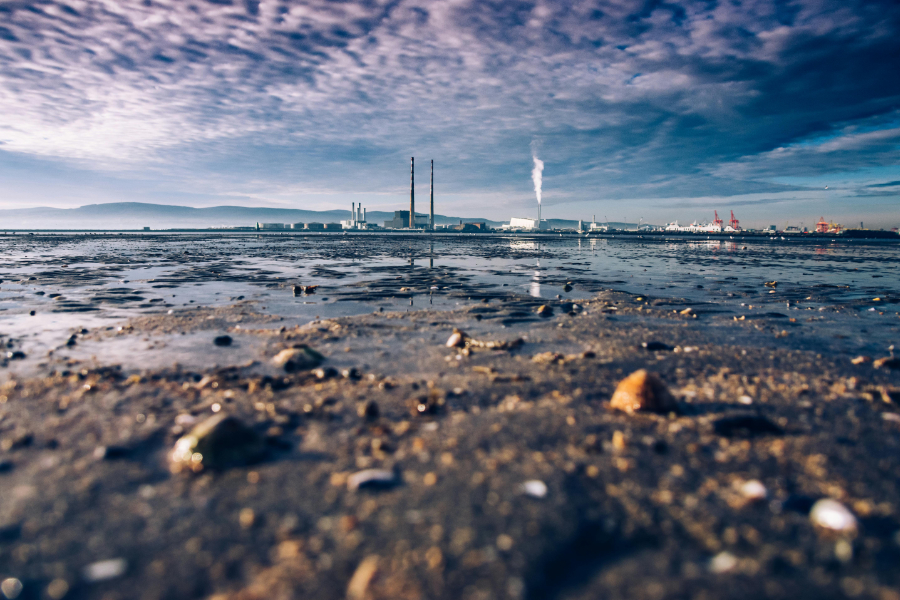
Ireland’s energy-related emissions fell by 1.3% last year, to their lowest level in more than 30 years, new data from Sustainable Energy Authority of Ireland (SEAI) has found.
According to the SEAI’s Interim National Energy Balance for 2024, which provides information on Ireland’s energy use last year, as well as how this energy was produced, the country has reported the third consecutive year of emissions reduction.
Since 2021, when carbon emissions reduction targets were introduced, emissions have fallen by 11%.
Notably, the drop in emissions comes despite an increase in overall energy use, which grew by 2.3% last year, and was increasingly powered by renewable sources. Renewable energy supplied 14.5% of Ireland’s energy requirements in 2024, a slight increase on the previous year (14%).
Energy demand
“Increased energy demand challenges our ability to meaningfully grow our renewable energy share of generation,” commented Margie McCarthy, director of research and policy insights at SEAI, adding that last year saw record levels of solar PV generation and heat pump usage. “The data shows two clear messages – if we are to meet our targets, we have no time to wait, we need to accelerate our deployment of renewable energy technologies and we have to make wise decisions on energy demand growth.
“We must continue to invest in renewable technologies and interconnectors, we must continue to retrofit our housing and public building stock, and we must continue to move to more active and public transport options where possible. Only with collective effort and buy in will we achieve the changes needed in our consumption behaviours to realise the energy transition.”
Electricity emissions
According to SEAI, emissions from the electricity sector were down 7.5% last year, compared to 2023. While renewable generation was up, renewables supplied a slightly lower share of Ireland’s electricity than the previous year, due to the increase in demand outpacing the increase in renewable generation, coupled with grid constraints and lower wind outputs.
Natural gas (42.1%), wind (31.7%), and net imports from interconnectors (14%) were the top three sources of electricity in Ireland last year.
Elsewhere, transport emissions fell by 1.2%, with over-reliance on private vehicles eroding the progress in the EV transition and advancements in biofuel blending, SEAI said. Heating emissions rose by 2.4%, largely due to 2024 being a cooler year overall.
“The longer we wait to take meaningful action, the harder it will be to achieve our climate commitments,” McCarthy added. “The reality is that multiple global crises gave us a head start in our energy reduction efforts, where COVID-reduced travel, and energy price increases, plus warmer than average winters have all played a role in reducing our national emissions to date. Yet we still remain short of where we need to get to.” Read more here.