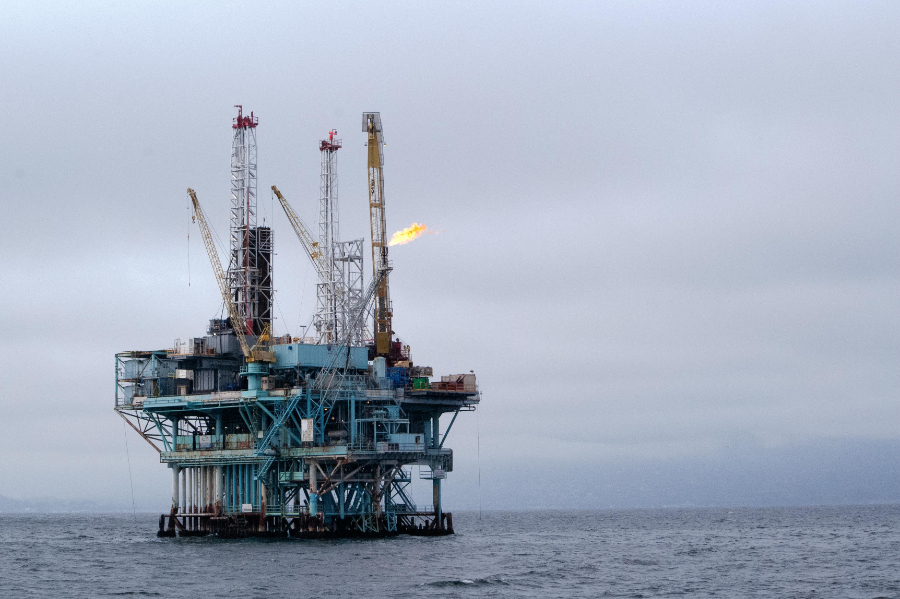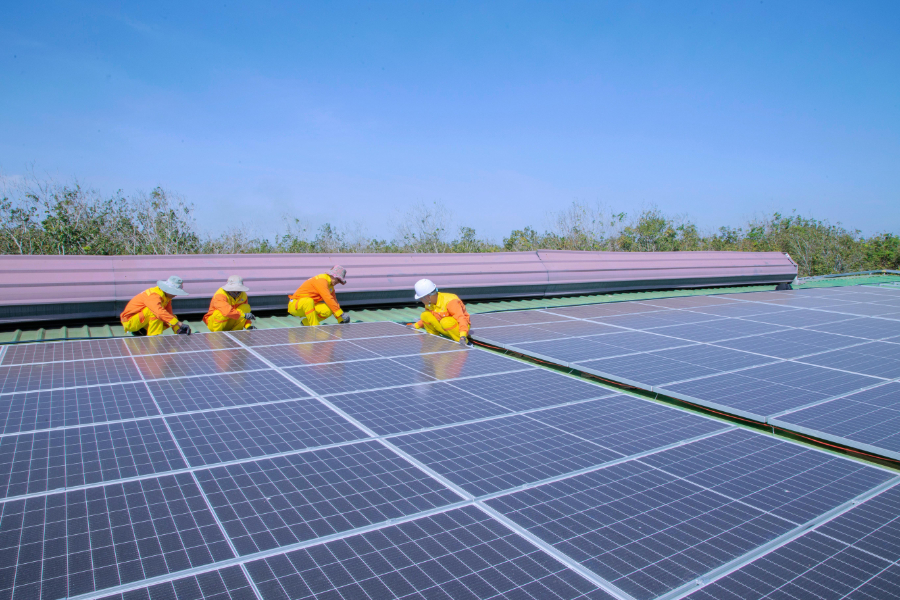
Some 91% of new renewable energy projects are cheaper than the lowest-cost fossil fuel equivalents, a new report by the International Renewable Energy Agency (IRENA) has found.
According to IRENA’s report, Renewable Power Generation Costs in 2024, renewables ‘maintained their price advantage’ over fossil fuels last year, boosted by technological innovation, competitive supply chains and economies of scale.
Onshore wind projects were 53% cheaper than the lowest-cost fossil fuel equivalent, for example, and averaged out at $0.034 per kilowatt-hour. Solar photovoltaics, meanwhile, were 41% cheaper, at $0.043 per kilowatt-hour.
Some 582 gigawatts of renewable capacity were added in 2024, IRENA noted, reducing fossil fuel expenditure by around $57 billion.
Smart economics
“Clean energy is smart economics – and the world is following the money,” commented António Guterres, United Nations Secretary-General.
“Renewables are rising, the fossil fuel age is crumbling, but leaders must unblock barriers, build confidence, and unleash finance and investment. Renewables are lighting the way to a world of affordable, abundant, and secure power for all.”
IRENA’s report notes that while there has been continued momentum towards renewables, short-term challenges such as geopolitical shifts, trade tariffs and raw material bottlenecks remain, In addition, higher costs related to project development and support infrastructure are affecting renewable development in Europe and North America, while the Global South continues to face disproportionately high financing costs.
‘Affordable, secure and sustainable’
“New renewable power outcompetes fossil fuels on cost, offering a clear path to affordable, secure, and sustainable energy,” said Francesco La Camera, director-general, IRENA. “This achievement is the result of years of innovation, policy direction, and growing markets.
“However, this progress is not guaranteed. Rising geopolitical tensions, trade tariffs, and material supply constraints threaten to slow the momentum and drive-up costs. To safeguard the gains of the energy transition, we must reinforce international cooperation, secure open and resilient supply chains, and create stable policy and investment frameworks—especially in the Global South. The transition to renewables is irreversible, but its pace and fairness depend on the choices we make today.” Read more here.