Ørsted has announced the completion of the first phase of its Bahren West onshore wind project in Germany, and unveiled plans for phase two of the project.
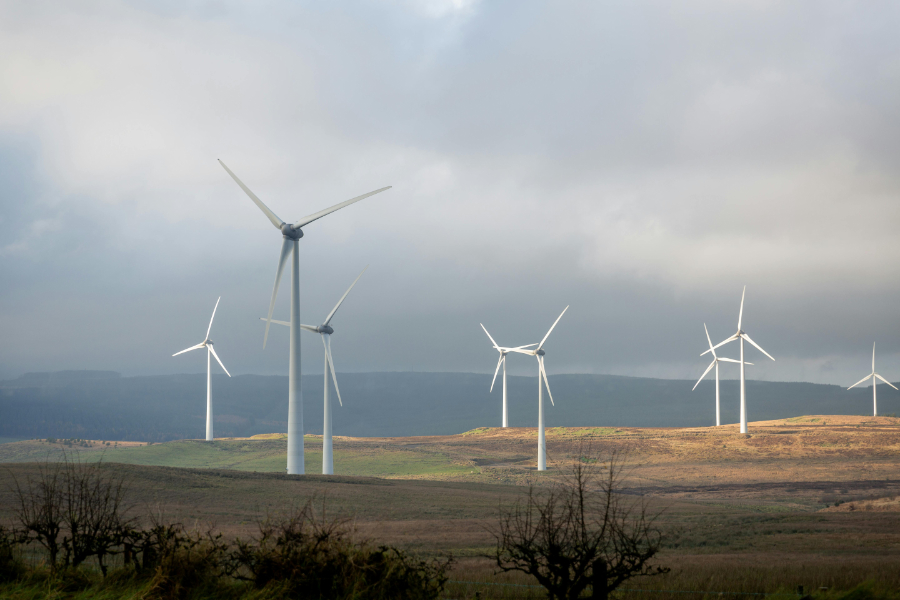
Now completed, Bahren West I is the largest onshore wind farm in Ørsted‘s German portfolio, with a capacity of 50.4 MW, capable of supplying the equivalent of 35,000 German households with green energy.
The second phase of the project – Bahren West II – is now underway, with work on the 61.6 MW project expected to begin in May of this year, and completion of in 2027.
‘Imminent start of construction’
“We are pleased to announce both the commissioning of Bahren West I and the imminent start of construction for Bahren West II,” commented Stefan Bachmaier, Country Manager for Ørsted’s onshore renewable energy activities in Germany.
“The two projects are important milestones for Ørsted’s ambitions for onshore wind in Germany. With Bahren West, we are not only making a major contribution to Germany’s renewable energy goals, we are also emphasising our focus on delivering green, stable and sustainable energy.”
Bahren West I is located in the Neisse-Malxetal area of Brandenburg, near the German-Polish border. Once completed, Bahren West II is expected to supply electricity to around 45,000 households.
Energy transition
The project ‘underlines Ørsted’s focus on promoting the energy transition in Germany and expanding its onshore wind portfolio in the country’, the company said in a statement.
Along with the Bahren West projects, Ørsted is also expecting to commission the 16.8 MW St. Wendel onshore wind farm later this year.
Globally, Ørsted, which is headquartered in Denmark, has an installed onshore wind capacity of approximately 3.8 GW.
In 2024, the company reported revenue of DKK 71 billion (€9.5 billion). It is ranked on CDP’s A-list for global leadership in climate change, and had its science-based net-zero emissions target approved by the Science Based Targets initiative (SBTi). Read more here.