More than half of the septic tanks inspected by Ireland’s Environmental Protection Agency (EPA) failed to meet environmental and public health standards in 2024, a new study has found.
The EPA’s Domestic Waste Water Treatment System Inspections 2024 report, which details the findings of septic tank inspections completed by local authorities last year, found that some 56% of septic tanks failed inspection.
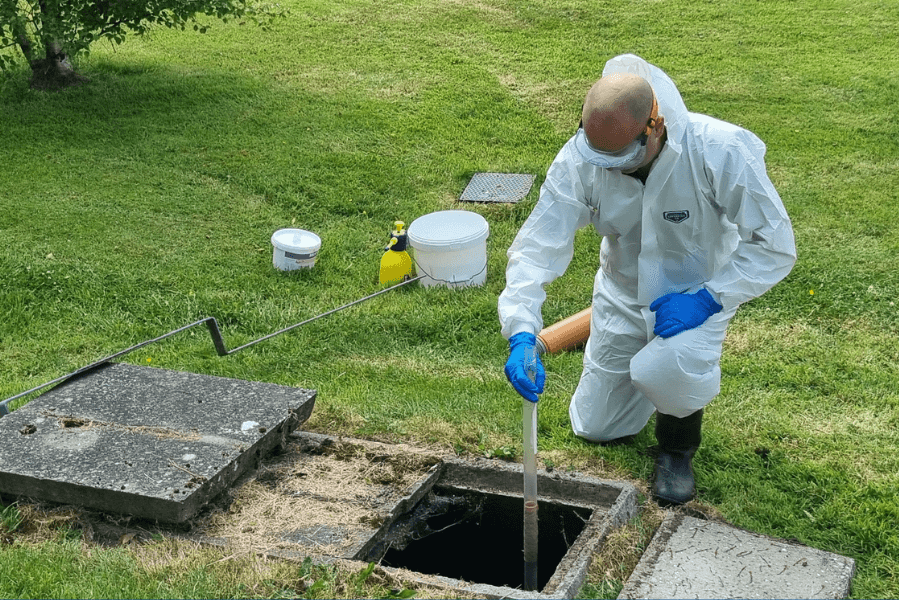
Overall, some 1,390 inspections of septic tanks were carried out, with 773 failing due to improper construction or inadequate maintenance.
Positive signs
Despite the high failure rate, the EPA has made progress in addressing the issue, it noted, with more than four fifths (82%) of septic tanks that failed inspection between 2013 and 2024 subsequently fixed. This is an improvement on 75% in the period leading up to 2021, the EPA noted.
In addition, the number of unresolved advisory notices more than two years old also declined, from 576 as of the end of 2023 to 523 in 2024. There were 265 grants awarded for remediation of septic tanks in 2024, totalling nearly €2.5 million, up from 194 grants in 2023
“The reduction in the number of old advisory notices (over two years) is to be welcomed, however, the number not resolved remains unacceptably high, allowing risks to public health and the environment to continue,” commented Dr Micheál Lehane, director of the EPA’s Office of Radiation Protection and Environmental Monitoring.
“Greater and sustained enforcement effort is needed by local authorities during their annual septic tank inspections, checking that faulty septic tanks are fixed and taking legal action where necessary.”
Effect on the environment
Elsewhere, EPA programme manager Noel Byrne highlighted the risks that ill-maintained septic tanks can have on drinking water and local waterways.
“Householders’ water supplies and local rivers may be exposed to contamination from faulty septic tanks, which can pose a serious health risk to individuals and the local environment,” he said.
“By maintaining their septic tank and fixing any problems identified, householders will protect their health and the environment. Householders should take advantage of the enhanced grants where applicable.” Read more here.