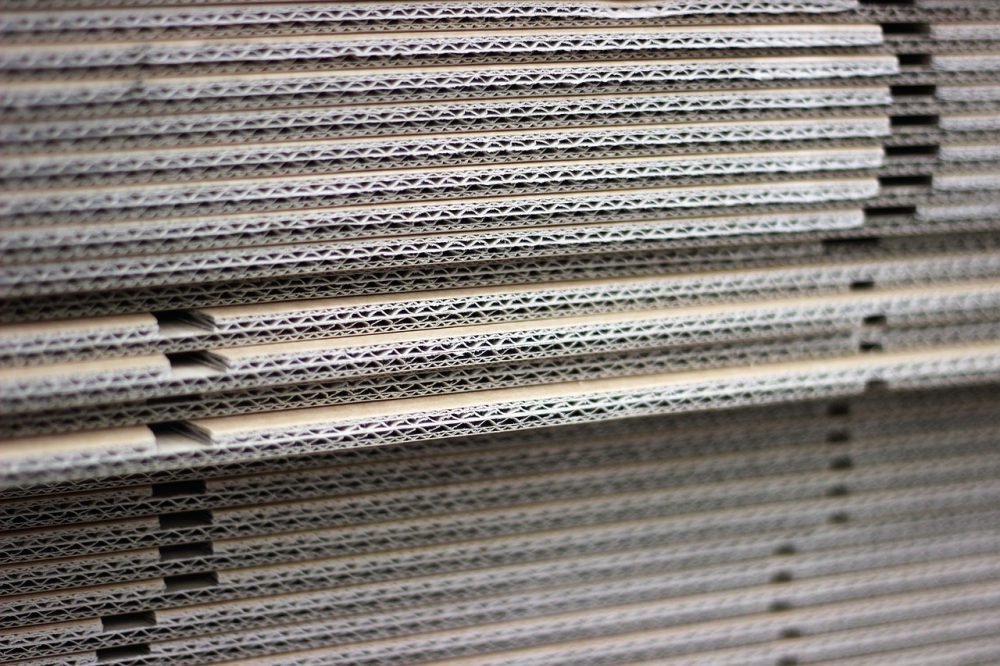
While many brands around the world are working to shift from plastic to paper and pulp-based alternatives for their packaging, this represents far from a ‘cure-all solution’ in terms of bolstering sustainability, a new report from Rabobank has found.
“Contrary to what consumers perceive, replacing plastic with paper and pulp is not that sustainable or easy to implement,” commented Jim Owen, senior analyst – packaging and logistics for Rabobank, on the back of the publication of the Unwrapped: Plastic packaging matters report.
As the bank puts it, the shift to paper is ‘fraught with challenges that defy a universal solution’.
Cost, sustainability and functionality
According to Rabobank, the main concerns about pulp and paper use include cost, sustainability and functionality matters, despite the momentum towards its use in packaging.
It said that the need for more material to achieve plastic-like robustness, resulting in higher costs and energy-intensive production, making paper alternatives up to five times pricier than plastic.
In addition, paper production processes, such as logging and pulping, can lead to higher carbon emissions – potentially surpassing the environmental impact of plastics.
Also with regard to sustainability, recycling of paper products can encounter challenges, if said products require protective coatings, it noted.
Finally, Rabobank noted that since paper packaging is limited to items that don’t need extensive protection to prolong shelf life, like foodservice products and non-perishable goods, this can present constraints to widespread adoption.
“Pulp and paper solutions are not the cure-all solution many believe them to be,” Owen added.”In fact, it can introduce its own set of ecological – and business – complications.”
‘Competitive edge’
Noting that ‘sustainability is no longer just an ethical choice – it’s a competitive edge’, Rabobank added that around the world, governments are seeking to reduce the environmental impact of packaging, with the US and EU both introducing more stringent legislation.
Elsewhere, the UN is drafting a treaty to address plastic waste, which urges countries to consider the entire lifecycle of plastics.
‘This legislative momentum underscores a collective commitment to sustainable and circular packaging solutions, paving the way for a greener future in the industry,’ Rabobank said. Read the full report here.
Why does sustainability matter to you and your business? Read www.sustainabilityonline.net to find out.