The US beverage can industry’s increased reliance on recycled aluminium is likely to shield it from the impact of potential tariffs, a new report by GlobalData has found.
As the report, Industry Insights: The impact of tariffs on consumer packaged goods, notes, the US announced in June that it plans to impose 50% tariffs on all steel and aluminium imports, which presents a potential headache for industries that use said materials.
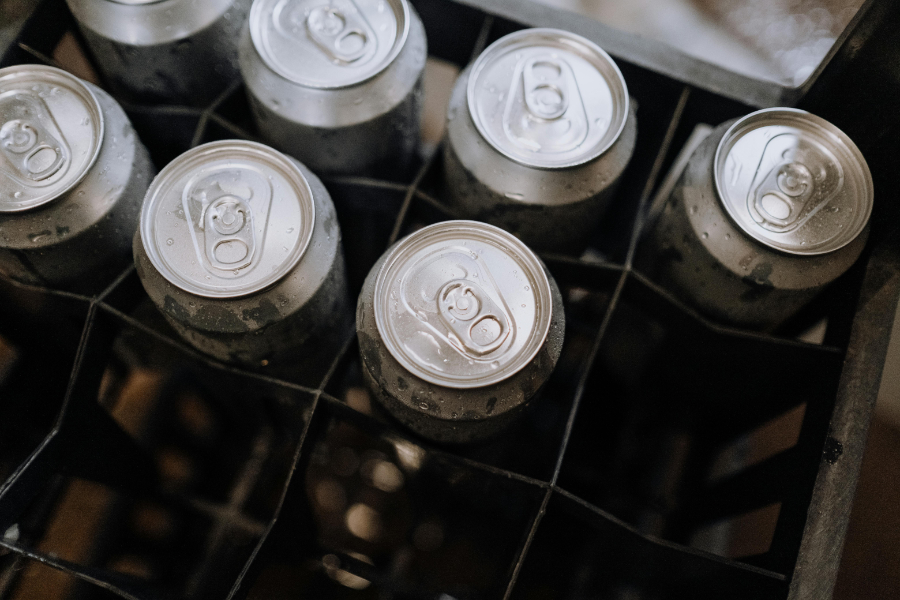
However, with more beverage can manufacturers relying on recycled aluminium, as many as 70 billion cans could be shielded from the full financial impact of the tariffs.
‘Recycled sources’
“Unlike many other industries that rely significantly on metal imports, beverage can manufacturers in the US obtain a considerable share of their raw materials from recycled sources,” commented Rory Gopsill, senior consumer analyst at GlobalData.
“The Aluminum Association reports that over 70% of the aluminium utilised in domestic beverage cans is derived from recycled content. This closed-loop supply chain provides can manufacturers with a degree of insulation from US tariffs on imported aluminium as part of efforts to safeguard domestic industries and address trade imbalances with China and other exporting nations.”
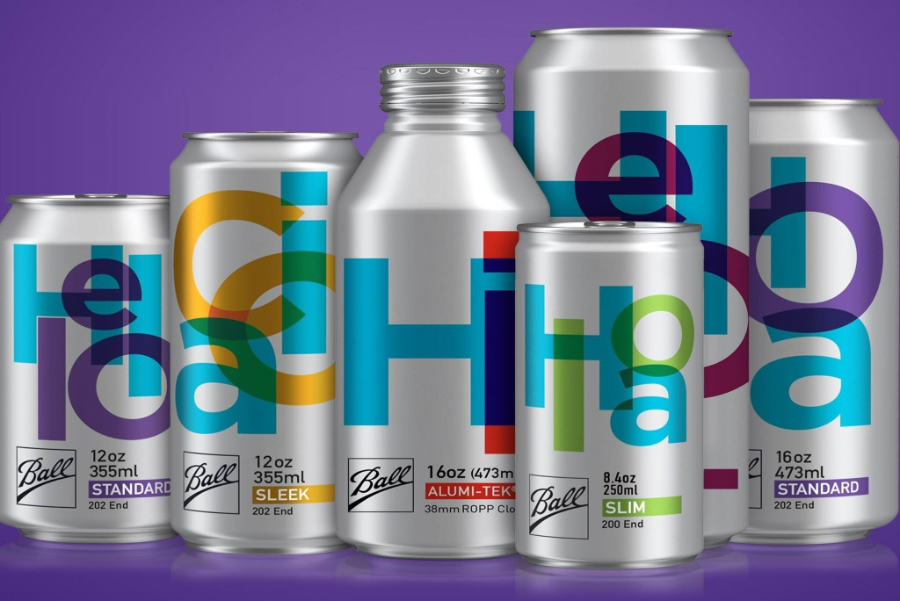
An estimated 99.6 billion rigid metal beverage cans are expected to be sold worldwide this year.
As GlobalData noted, recycled aluminium is not only more affordable but also dramatically more energy-efficient—requiring 95% less energy to process than virgin aluminium. This makes it a compelling alternative, both economically and environmentally.
Shipping materials
At the same time, the presence of tariffs creates other potential headaches for the US recycling industry – shipping recycled materials across national borders in North America is complicated by tariffs, with only US-Mexico-Canada Agreement (USMCA)-compliant goods being tariff exempt.
“In a volatile economic climate, where global supply chains are increasingly politicised, the US beverage can sector’s embrace of recycled aluminium stands out as a model of resilience,” Gopsill added. “By leveraging domestic, sustainable materials, the industry not only reduces environmental impact but also cushions itself from macroeconomic shocks—proof that circularity and competitiveness can go hand in hand.” Read more here.