Seafood conglomerate Thai Union Group has secured a $150 million ‘Blue Loan’ from the Asian Development Bank (ADB), to support its sustainable production efforts.
The loan, which the group said ‘sets a new benchmark for sustainable finance in aquaculture‘, is a first for the seafood industry in Thailand, and aligns with Thai Union’s SeaChange 2030 sustainability strategy and long-term net zero emissions goal by 2050.
‘An important step’
“Sustainability sits at the heart of our business, and this Blue Loan represents an important step in our journey,” commented Thiraphong Chansiri, CEO of Thai Union Group. “We are honoured to be ADB’s first private-sector partner in the seafood industry in Thailand, and the first in the seafood industry to secure a loan of this kind.
“The funding will accelerate our sustainable sourcing efforts and strengthen our contribution to ocean health, food security, and climate action. We hope this model will inspire other seafood companies to follow.”
The financing package includes an ADB A-Loan and syndicated B-Loan with backing from six financing partners, including Bank of China (Hong Kong) Limited, HSBC, MUFG Bank Ltd, OCBC, Sumitomo Mitsui Banking Corporation, and United Overseas Bank Limited.
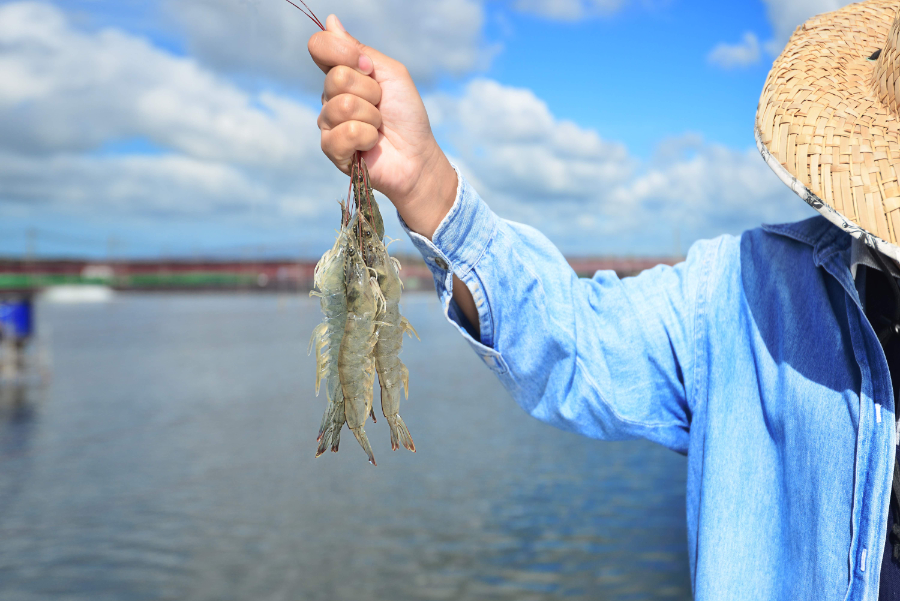
Through the loan, Thai Union will expand its sourcing of sustainable shrimp – i.e. shrimp certified under schemes recognised by the Global Sustainable Seafood Initiative (GSSI), or from farms engaged in credible Aquaculture Improvement Projects (AIPs).
According to the company, it will also help to protect biodiversity within the sector, reduce carbon through the use of renewable energy and efficient feed conversion, and promote social responsibility, including fair labour and community engagement.
Addressing sector challenges
“This marks ADB’s first blue loan in the aquaculture sector in Thailand,” added Anouj Mehta, country director of ADB Thailand Resident Mission. “Aquaculture is one of the most efficient sources of animal protein, supplying over half of the world’s seafood.
“While it holds great potential to enhance food security for a growing global population, the sector also faces risks due to climatic conditions and environmental challenges. These include habitat loss, pollution, and increased pressure on deforestation and overfishing due to rising demand for aquafeed. This transaction seeks to address these challenges and serves as a strong case study for sustainable shrimp procurement to strengthen resilience and promote inclusiveness across the supply chain.”
The loan also aligns with Thailand’s national climate goals and ADB’s Strategy 2030, focusing on inclusive and climate-resilient development. Read more here.