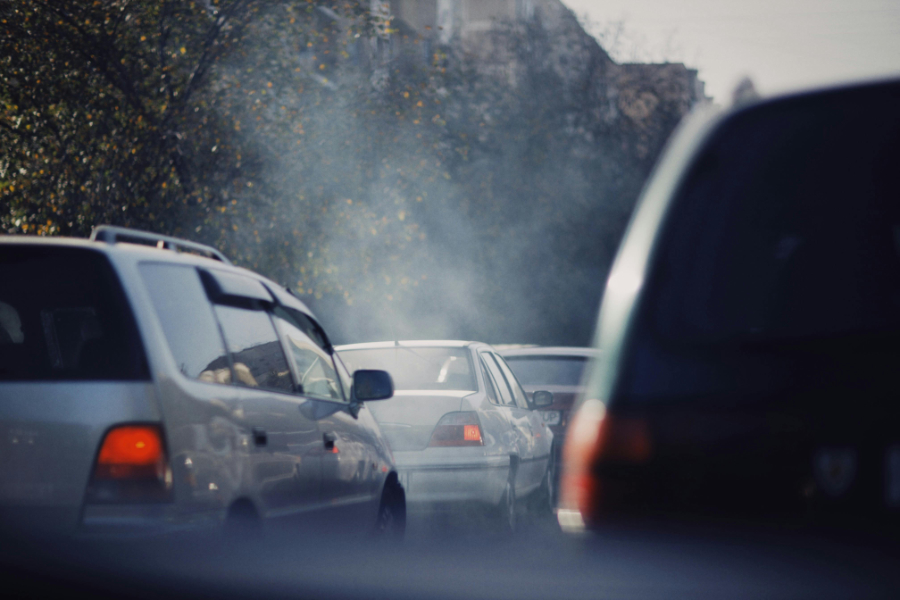
Transport-related emissions continue to rise in Europe, even as other sectors have reported ‘substantial reductions’, a new report by the European Environment Agency (EEA) has found.
According to the report, Sustainability of Europe’s mobility systems 2025, the transport sector accounted for around a third of the EU’s total GHG emissions in 2023, with pollutants ammonia (NH3) and nitrous oxide (N2O) showing persistent levels.
Passenger cars
Passenger cars account for around 72% of passenger transport activity in the EU, with car use rising steadily over the past few decades, peaking in 2019, and recovering from 2021 onwards after a COVID-related decline.
‘While public transport offers a more sustainable profile compared to private modes, its share of total passenger transport has changed very little,’ the report noted. ‘Passenger cars are still the preferred mode of transport and their number has increased in recent years.’
Road freight transport also continues to ‘grow significantly’, the report noted, with further growth expected over the coming years. While rail freight decreased between 1995 and 2023, it too is expected to grow over the coming decade.
‘With high energy efficiency and low GHG and air pollution emissions, an expanding rail sector represents a key opportunity to reduce some of the transport sector’s environmental impacts in the future,’ the report noted.
Transport footprint
The transport sector accounted for around 5% of Europe’s GDP in 2023, sustaining more than 10 million jobs, the EEA noted. According to the European Climate Law, the bloc has committed to achieving climate neutrality by 2050, while the European Commission’s zero pollution ambition aims to reduce health impacts from air pollution and chronic exposure to transport noise by 2030.
According to the EEA, achieving further reductions in emissions will require continued public and private investment in innovation and technology, backed by sufficient legislation. In addition, more focus is needed on measures that reduce unnecessary travel, improve logistics options and expand multimodal transport.
‘Achieving significant reductions in the climate, air quality and noise impacts of European transport will require sustained investment and robust regulation, alongside a broader shift towards a more sustainable mobility system,’ the report noted. Read more here.