Wind and solar together generated a record 30% of electricity in the European Union in 2025, surpassing electricity derived from fossil fuels for the first time (29%), Ember has said in a new report.
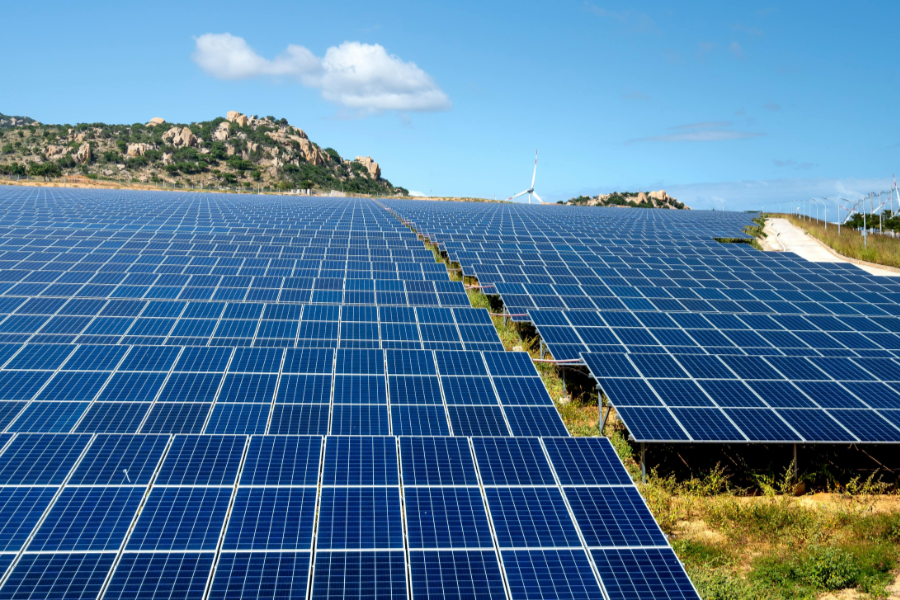
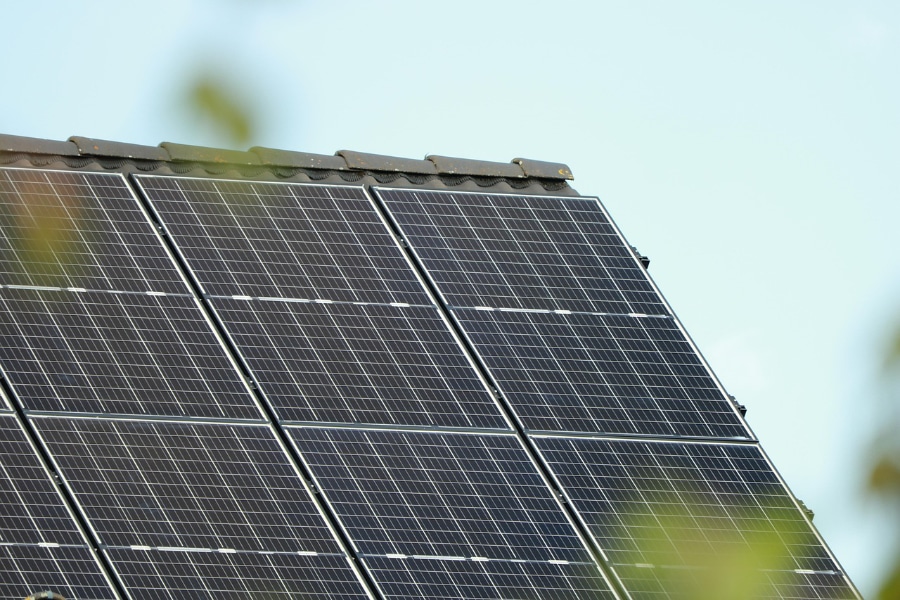
Solar generation rose by 20.1% year-on-year, to account for 369 terawatt-hours in 2025, or 13% of EU electricity, Ember said in its European Electricity Review.
Solar output grew in every EU country, exceeding one fifth of electricity generation in several EU countries, including Hungary, Cyprus, Greece, Spain and the Netherlands.
Wind, meanwhile, accounted for 17% of EU electricity generation, despite the start of the year being less windy than in 2024. Wind accounted for a higher percentage of electricity generation than gas, Ember noted.
‘Milestone moment’
“This milestone moment shows just how rapidly the EU is moving towards a power system backed by wind and solar,” commented Dr. Beatrice Petrovich, senior energy analyst at Ember. “As fossil fuel dependencies feed instability on the global stage, the stakes of transitioning to clean energy are clearer than ever.”
Overall, renewables provided nearly half of EU power last year, despite unusual weather conditions causing hydropower to fall by 12% and wind by 2%.
While wind and solar have risen from 20% of EU electricity generation in 2020 to 30% in 2025, fossil fuel generation has fallen from 37% to 29% over the same period.
Coal continues to decline, accounting for less than 5% of power generated in 19 EU member states, however gas generation rose 8% year-on-year, due to a shortfall in hydropower generation.
Gas imports
‘”The next priority for the EU should be to put a serious dent in reliance on expensive, imported gas,” Petrovich added. “Gas not only makes the EU more vulnerable to energy blackmail, it’s also driving up prices.”
The report also points to indications of change in how electricity systems are managed, with battery deployment accelerating across the EU in 2025. According to Ember, battery storage is likely to play a more important role in the years to come in reducing reliance on gas-powered generation during peak periods.
“In 2025, we saw some early signs of using more battery storage to shift homegrown renewable power to gas-heavy hours,” said Petrovich. “As this trend accelerates, it could limit how much gas is needed in evening hours, therefore stabilising prices.” Read more here.