A Healthier Earth and Cefetra, in partnership with the UK Agri-Tech Centre and the UK Centre for Ecology and Hydrology (UKCEH), have been awarded £1.34 million in funding from DEFRA’s Farming Innovation Programme, which will fund a three-year project to develop a biogenic low-carbon fertiliser.
The funding, which was delivered in partnership with Innovate UK, will fund the research and development of a biochar-based, lower cost, low-carbon fertiliser designed for UK cereal farming.
The project aims to reduce nitrogen and carbon emissions and improve soil health, as well as supporting the UK agriculture sector’s progress towards net zero.
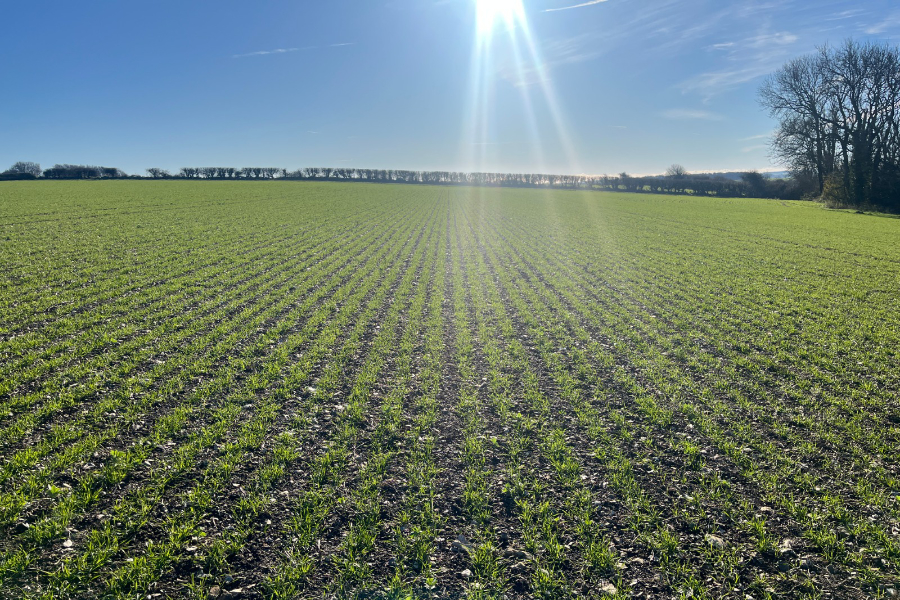
Cereal production
According to A Healthier Earth, the climate-tech R&D subsidiary of Pure DC, cereal production in the UK contributes around 2.3 million tonnes of CO₂e each year, with nitrogen fertilisers responsible for around 1.47 million tonnes of that footprint.
In a recent trial, the fertiliser under development, which was originally developed by Biochar Innovations, achieved a 23% reduction in nitrogen use with no loss of yield. This also creates potential income opportunities for farmers through nitrogen avoidance and carbon credits.
‘An exciting moment’
“This is an exciting moment for us, as we bring together a consortium of leading experts and organisations to build a robust, science-backed use case for biochar in UK agriculture,” commented Alastair Collier, chief R&D officer, A Healthier Earth.
“Biochar is one of the most promising forms of carbon removal available today and has the added benefit of improving soil, but right now farmer adoption is low. The funding will go towards our research and development to create a product that helps address this issue, engineering a fertiliser that works agronomically, reduces emissions, and creates clear economic value for farmers.”
Jason Hayward-Jones, farming lead at Cefetra, added that the collaboration offers a “practical solution” for farmers to “hold yields, cut nitrogen use and emissions, and unlock new revenue from verified reductions”.
The project also aligns with efforts by DEFRA, the UK’s Department for Environment Food and Rural Affairs, to support low-carbon innovations in agriculture that help reduce emissions in the sector. Read more here.