The Cool Cities Accelerator, a coalition of global cities focused on coordinated action to tackle extreme heat, has been launched at the C40 World Mayors Summit in Rio de Janeiro.
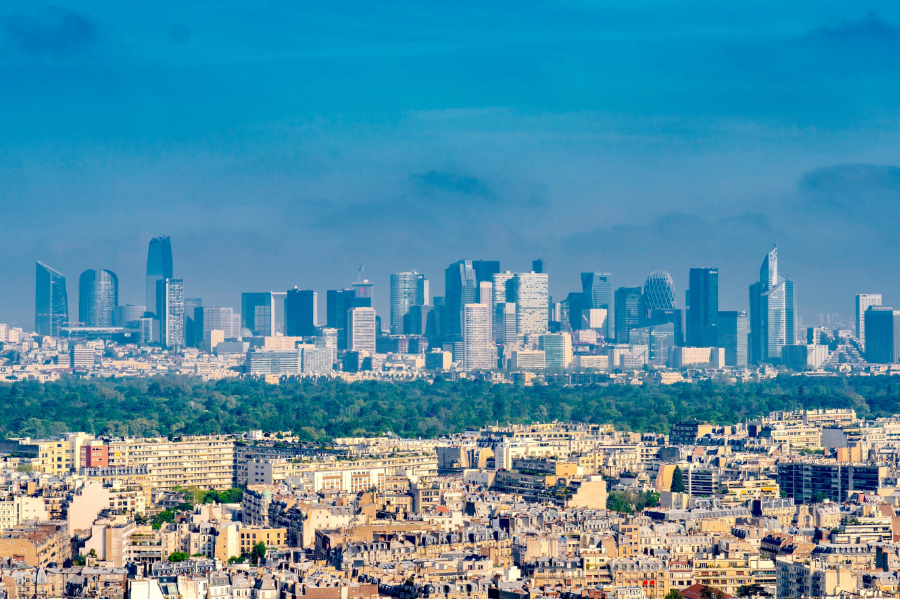
The initiative brings together 33 cities, including Austin, Boston, Buenos Aires, Freetown, London, Nairobi, Phoenix, Paris, Singapore and others, which are collectively home to 145 million people, and will see urban leaders work together to ‘protect residents, safeguard economies, and redesign cities for a hotter future’, C40 said in a statement.
The accelerator has been developed with support from The Rockefeller Foundation and with implementation support from ClimateWorks Foundation, Robert Wood Johnson Foundation, Z Zurich Foundation, Danish Ministry of Foreign Affairs and IBM.
‘A daily reality’
“Extreme heat is no longer a distant threat – it’s a daily reality affecting the lives and livelihoods of millions around the world,” commented Elizabeth Yee, executive vice president of The Rockefeller Foundation. “Through the Cool Cities Accelerator, we’re proud to support mayors who are investing in bold, science-based solutions to future-proof health systems, ensuring they can withstand 21st-century challenges.
“Local leaders are not just responding to the climate crisis today – they’re redesigning urban life to protect people, strengthen economies, and build a cooler, safer future for all.”
According to C40, extreme heat is already the deadliest weather-related hazard worldwide, and is responsible for close to half a million deaths each year. If decisive action isn’t taken, the number of people exposed to dangerous urban heat could increase five-fold by 2050.
The accelerator provides a shared framework for immediate and long-term action – within two years, participating cities aim to strengthen heat leadership, early warning systems, and public access to cooling.
As an example, Barcelona recently announced that it plans to undertaken a simulation of a 50°C heatwave in 2027 to test the preparedness of city agencies and resources.
Over a five-year period, cities have pledged to improve building standards, expand urban greenery, and protect critical infrastructure.
‘An urgent global threat’
“Extreme heat is a silent killer and an increasingly urgent global threat,” added Mark Watts, executive director of C40 Cities. “The number of days that major capitals experience temperatures above 35°C has increased 54% over the past twenty years. Cities are showing real leadership by taking practical steps to protect communities, safeguard economies, and create more liveable urban environments.
“By aligning with the UN Secretary-General’s call to action on extreme heat, these cities are helping to set a global standard for what bold, collective climate leadership looks like.” Read more here.