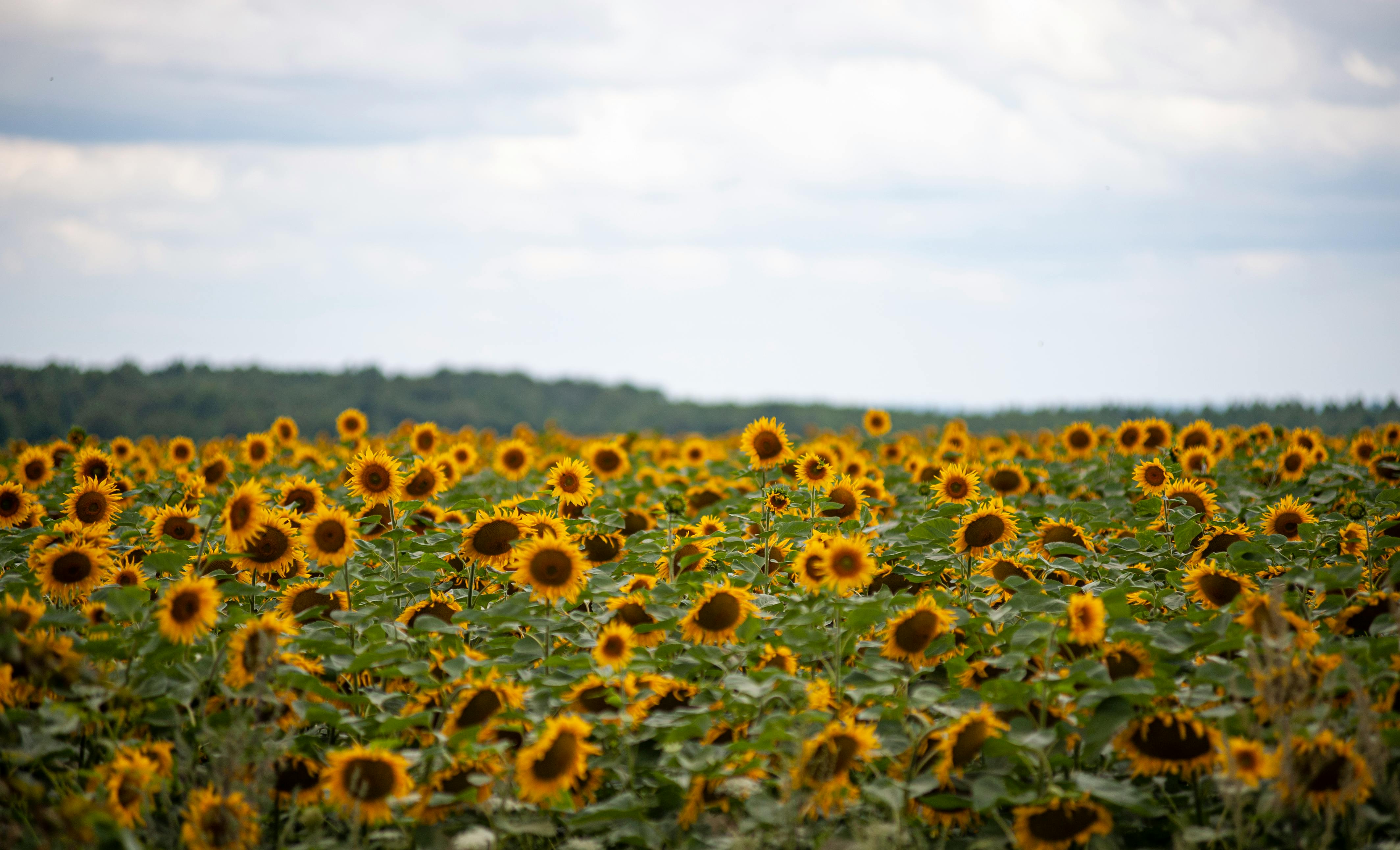
The ongoing war in Ukraine is accelerating the loss of soil nutrients, impacting both the country’s agricultural productivity as well as wider global food security, a recent study led by the UK Centre for Ecology & Hydrology (UKCEH) found.
According to the study, which was published in Communications Earth & Environment, there has been a significant reduction in the balance of key crop nutrients, including nitrogen, phosphorus, and potassium, as result of the continued conflict, with more nutrients being removed from the soils through harvests than are being replaced.
To ensure that Ukraine can retain its status as the ‘breadbasket of Europe’, the researchers are calling for better farm management of nutrients, including using animal manure as an organic fertiliser for croplands, as well as more efficient use of fertilisers. In addition, introducing legumes into crop rotations could also benefit soil health.
Food security
“Unless action is taken to restore lost nutrients in soils, there is likely to be a long-term impact on crop production in Ukraine. This would not only affect food security in Ukraine but also globally – particularly North Africa and the Middle East, which depend upon imports – and further push up prices and increase hunger.
“There is therefore an urgent need for an integrated nutrient management plan for Ukraine that wastes fewer nutrients and reduces the amount of synthetic fertiliser needed.”
Manure access
Researchers from Odesa National I.I. Mechnikov University and Wageningen University & Research examined nutrient balances in Ukraine’s main crop-producing regions over the past 40 years, and found that livestock numbers have fallen in recent decades, limiting access to the manure that could replace synthetic fertilisers.
In addition, 90% of the manure that is still produced in Ukraine is currently wasted – equivalent to around $2.2 billion in lost fertiliser value. Local systems to collect and redistribute manure, as well as government initiatives to improve fertiliser management, are among the recommendations of the researchers.
“We are optimistic that sharing expertise on nutrient management is another way in which the UK and other countries can support Ukraine’s environment and economy at the same time,” commented Professor Mark Sutton of UKCEH, a co-author of the study.
Read the full report, Nutrient asymmetry challenges the sustainability of Ukrainian agriculture, here.