A continued increase in global energy demand, driven by digital services, mobility, heating, cooling and industrial production, is likely to present a myriad of concurrent challenges for governments in the coming years, a new report by the International Energy Agency (IEA) has suggested.
According to the IEA‘s World Energy Outlook 2025, energy is likely to become central to national and economic security, and will be increasingly linked to electricity systems, critical minerals, and new technologies, as well as traditional industries.
The Age of Electricity
“Analysis in the World Energy Outlook has been highlighting for many years the growing role of electricity in economies around the world,” commented IEA executive director Fatih Birol. “Last year, we said the world was moving quickly into the Age of Electricity – and it’s clear today that it has already arrived.
“In a break from the trend of the past decade, the increase in electricity consumption is no longer limited to emerging and developing economies. Breakneck demand growth from data centres and AI is helping drive up electricity use in advanced economies, too. Global investment in data centres is expected to reach $580 billion in 2025. Those who say that ‘data is the new oil’ will note that this surpasses the $540 billion being spent on global oil supply – a striking example of the changing nature of modern economies.”
A pivotal issue linked to energy security, the report suggests, is the speed at which new new grids, storage and other sources of power system flexibility are put in place – while investments in electricity generation have risen by close to 70% since 2015, annual grid spending has risen at less than half that pace.
The growth of renewables
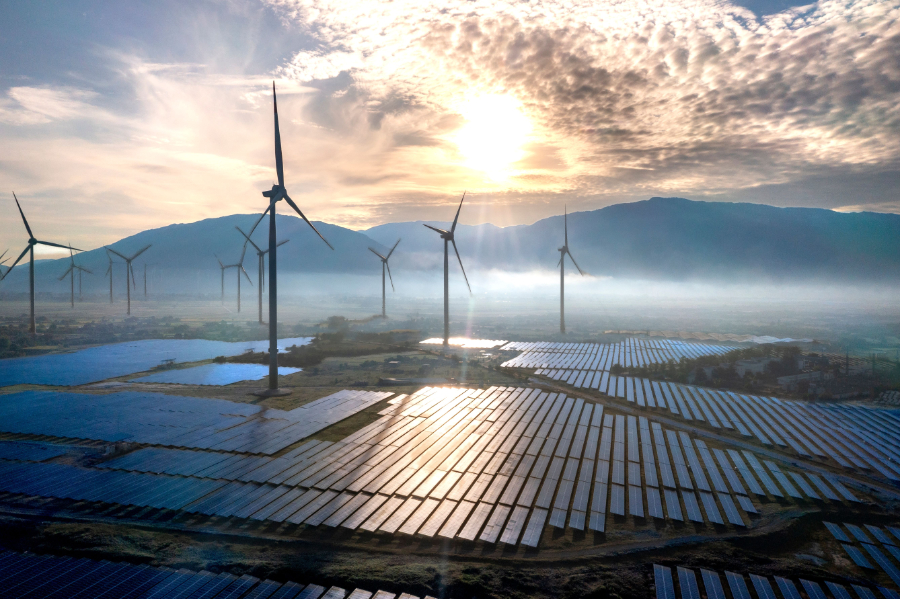
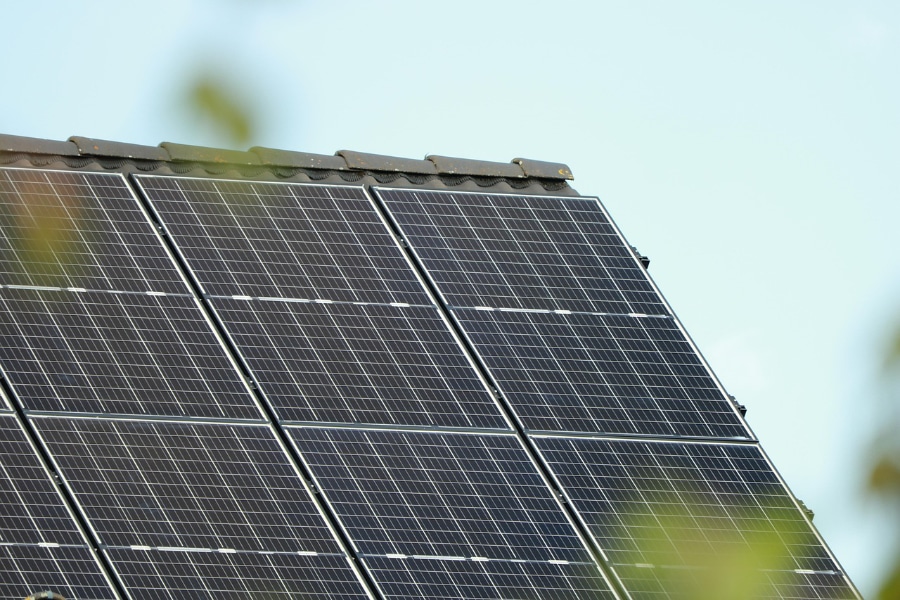
While the IEA outlines various scenarios for global energy demand, mapping different pathways around policy, investment, and technology decisions, a consistent trend across all scenarios is that renewables are set to grow faster than any other major energy source, led by the growth of solar.
Elsewhere, nuclear energy is expected to see a ‘revival of fortunes’, with investment rising in both traditional plants and small modular reactors. According to the IEA, global nuclear power capacity is set to increase by at least a third by 2035.
In all scenarios, oil and gas are also likely to remain part of the energy spectrum for the foreseeable future, with ‘ample global supplies of oil and gas in the near term’, while global LNG supply is expected to grow by 50% by the end of the decade, as around 300 billion cubic metres of new annual capacity commences operations.
“With energy security front and centre for many governments, their responses need to consider the synergies and trade-offs that can arise with other policy goals – on affordability, access, competitiveness and climate change,” Birol added. “The World Energy Outlook’s scenarios illustrate the key decision points that lie ahead and, together, provide a framework for evidence-based, data-driven discussion over the way forward.”
NGO response
Several NGOs responded to the IEA’s report, with David Tong, global industry campaign manager at Oil Change International, saying that the report “makes the choice clear: uphold 1.5ºC with no new fossil fuels and a just energy transition, accept a business-as-usual path to 2.5ºC, or backslide into a nightmare future. […] The IEA affirms that breaking free from fossil fuels is the best, most affordable way to secure energy for all. At COP30, governments must commit to a fast, fair, and funded phase-out of fossil fuels.”
Elsewhere, Dr. Rachel Cleetus, senior policy director for climate and energy, Union of Concerned Scientists, noted that the report “underscores the daunting challenge ahead for rapidly decarbonising the world’s economy but also highlights the tremendous opportunity to do so in a way that prioritises renewable energy, energy efficiency, climate resilience and addressing energy poverty.” Read more here.