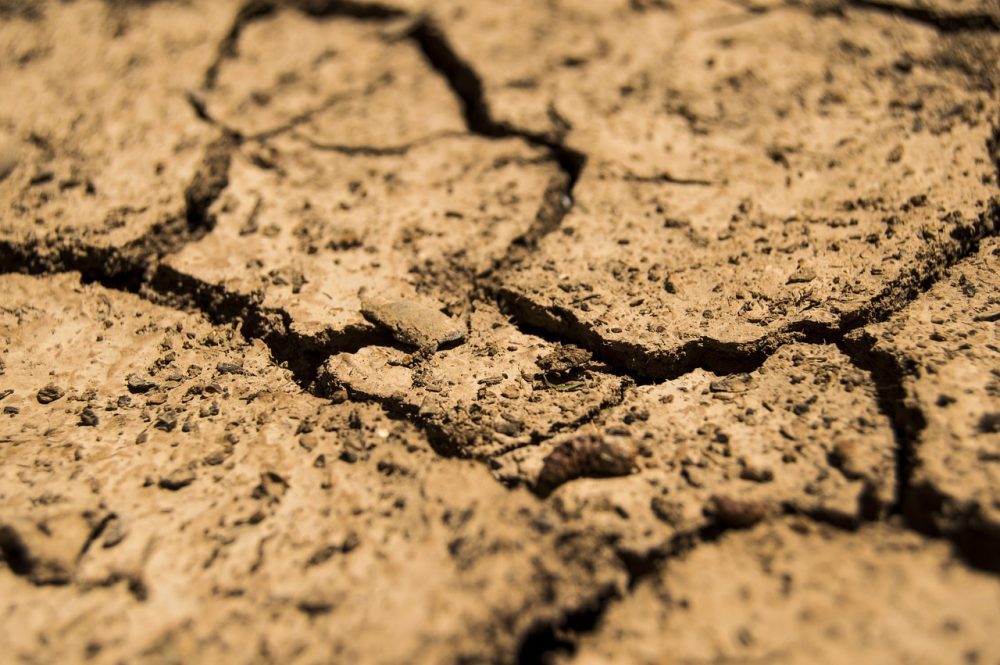
The UN Convention to Combat Desertification (UNCCD) has said that drought-based data and research undertaken in the past two years indicates that the ‘massive impacts of human-induced droughts are only starting to unfold’, with drought levels now an ‘unprecedented emergency on a planetary scale’.
The Global Drought Snapshot, launched by the UNCCD at COP28, indicates the level to which drought has led to economic losses and loss of life on a global scale.
‘Silent devastation’
“Unlike other disasters that attract media attention, droughts happen silently, often going unnoticed and failing to provoke an immediate public and political response,” commented UNCCD executive secretary Ibrahim Thiaw.
“This silent devastation perpetuates a cycle of neglect, leaving affected populations to bear the burden in isolation.”
The data reveals trends in various regions around the globe:
- The population of China is projected to face increased frequency of moderate-to-severe droughts, ranging from 15% to 20% within this century (Yin et al., 2022). Additionally, there is an anticipated 80% rise in drought intensity in China by the year 2100 (Yin et al., 2022).
In December 2022, the Horn of Africa witnessed 23 million people classified as severely food insecure (WFP, 2023). - According to the Palmer Drought Index, 5% of the United States experienced severe to extreme drought conditions in May 2023 (NOAA, 2023).
- The La Plata basin of Brazil–Argentina encountered drought conditions in 2022, reaching a severity not seen in the past 78 years. This led to reduced crop production, impacting global crop markets (WMO, 2023a).
- In 2022, Europe faced an extensive drought, affecting approximately 630,000 square kilometres, a stark contrast to the average 167,000 square kilometres impacted between 2000 and 2022. This occurrence coincided with Europe’s hottest summer and its second warmest year on record (EEA, 2023). It marked 500 years since the continent last experienced a drought of similar magnitude (World Economic Forum, 2022).
- Projections from the IPCC (2022) indicate that if average global temperatures rise 3°C above pre-industrial levels, approximately 170 million people will experience extreme drought. This figure is 50 million higher than the expected number if warming is limited to 1.5°C.
Agriculture and land restoration
The report also underscores the significance of land restoration, sustainable land management, and nature-positive agricultural practices in bolstering global drought resilience. The adoption of ‘nature-positive’ farming techniques, including the cultivation of drought-resistant crops, implementation of efficient irrigation methods, and incorporation of soil conservation practices such as no-till methods, will be crucial in the coming years, it adds.
By embracing these approaches, farmers can mitigate the adverse effects of drought on both their crops and incomes, the UNCCD added.
According to the report, ‘We have no alternative to moving forward in a way that respects the planet’s boundaries and the interdependencies of all forms of life. We need to reach binding global agreements for proactive measures that are to be taken by nations to curtail the spells of drought.’
Describing the Global Drought Snapshot as a “wake-up call”, Thiaw added that the report “speaks volumes about the urgency of this crisis and building global resilience to it. With the frequency and severity of drought events increasing, as reservoir levels dwindle and crop yields decline, as we continue to lose biological diversity and famines spread, transformational change is needed.”