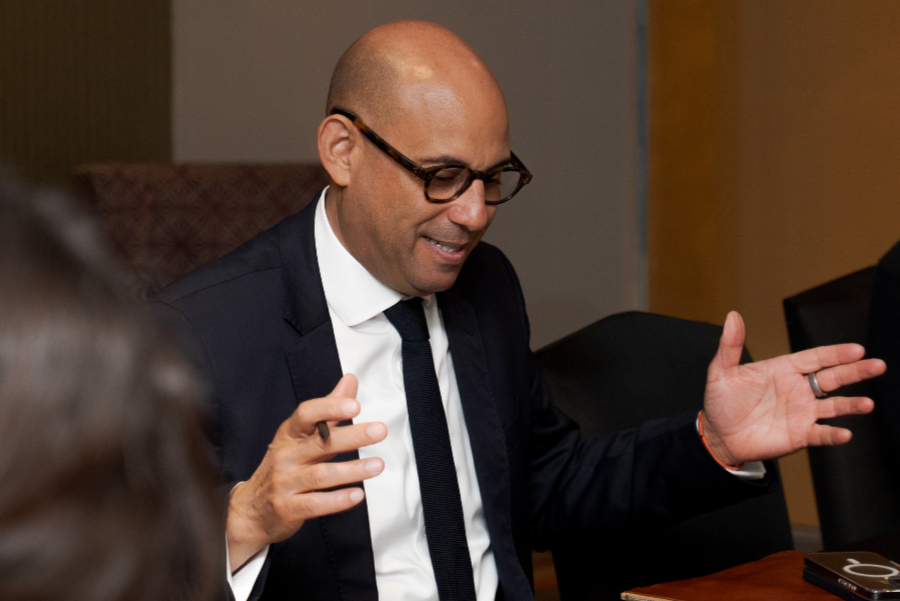
UN Climate Change executive secretary Simon Stiell has told an event in Brussels that fossil fuel dependency is “ripping away national security and sovereignty, and replacing it with subservience and rising costs”, citing the ongoing crisis in the Gulf region.
Stiell was speaking at the Green Growth Summit in Brussels on 16 March, where he said that continued reliance on fossil fuels will expose countries to geopolitical turbulence, rising costs and long-term instability.
Europe, he noted, spent more than €420 billion on fossil fuel imports in 2024 alone, while climate extremes cost the continent €43 billion in economic losses last summer.
‘A chaotic world’
“Fossil fuel dependency means economies, household budgets, and business bottom lines at the mercy of geopolitical shocks and price volatility in a chaotic world,” he commented. “A world of trade turmoil, strong-arm politics, and war.”
Despite these challenges, Stiell noted that some policymakers are advocating for a “doubling-down” on fossil fuels, putting in place obstacles to the transition to renewable energy.
“This is completely delusional,” he commented. “Because history tells us, this fossil fuel crisis will happen again and again in this new world disorder where some major powers do as they please, unconstrained by economic logic or current alliances.”
‘Turn the tables’
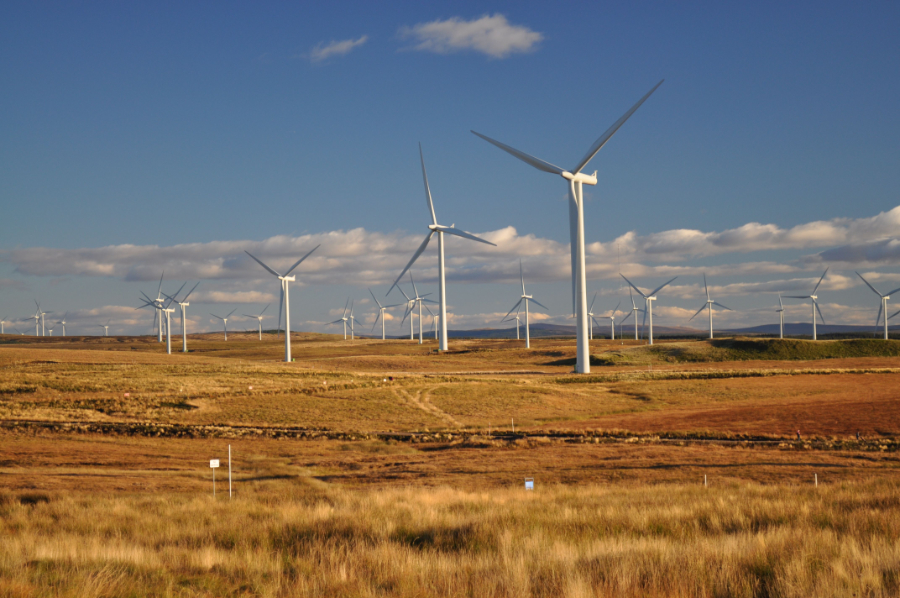
Renewable energy, Stiell added, presents an opportunity to “turn the tables” on the current crisis, strengthening energy security while lowering costs and reducing emissions.
“Renewable energy allows countries to insulate themselves from global turmoil, and to side-step might-is-right politics,” he said. “Renewable energy also delivers on people’s top priorities across the continent: security, well-paid jobs, better health, and relief from rising living costs.
“There’s a lot of commentary about populism at the moment. But the reality is, what most voters are demanding, climate action delivers at scale.”
The energy transition also presents economic opportunities, he noted, with global investment in clean energy exceeding $2 trillion last year – approximately double that of fossil fuels – while renewable energy has overtaken coal as the world’s largest source of electricity generation.
“Last century, when a continent reeling from war came together to build the foundation of integration, energy was top of that list,” Stiell added. “Because countries understood that secure and affordable energy, achieved through cooperation, were the basis of peace and prosperity. Today, these truths are more important than ever.” Read more here.