A business’s identity is built on consumers’ perception, retention, and loyalty. To create brand potential, it is important to optimise your brand as per the current generation’s mood and demands.
Studies show modern buyers are consistently ditching products with extra-layered packaging. They are more attracted to brands utilising sustainable, recyclable packaging that doesn’t affect land and ocean life. Whether you are a food brand, e-commerce, or retail store, businesses need to optimise sustainable packaging to forecast eco-conscious branding, as well as protective packaging.
But can you protect the environment and your brand potential? Yes, by using the sustainable packaging rules and types below, you can do it without overdoing it.
Traditional packaging vs sustainable packaging
The difference between traditional packaging and sustainable packaging is that while one contributes to deforestation and pollution, the other is committed to an eco-friendly environment.
Sustainable packaging is designed to protect products while reducing harm to the planet. Instead of using single-use plastics or other harmful materials, it uses recyclable, biodegradable, compostable, and sustainable rigid boxes made of materials that help cut down waste and support eco-friendly practices.
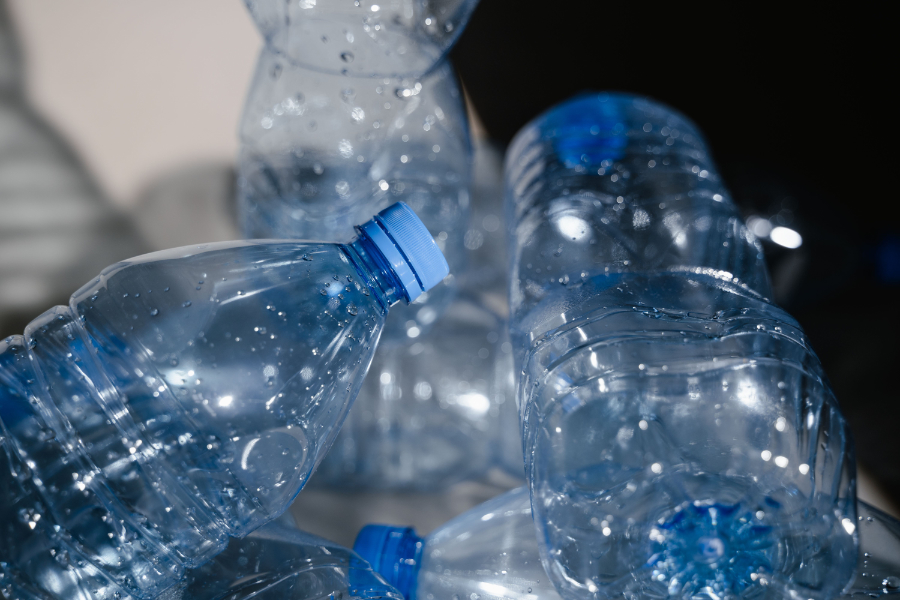
On the other hand, traditional packaging uses materials like plastic that take 20 to 500 years to decompose, other materials, including styrofoam, and petroleum-based inks.
Key principles of sustainable packaging
To make a sustainable brand, a business needs to rethink the entire life cycle of packaging, where it comes from, the manufacturing process, and how it will end up.
Reduce environmental impact
Do you know that by 2040, global plastic production is expected to rise by 70%, reaching 736 million tonnes. This growth exceeds dangers, pressure on ecosystems, ocean life, and the world’s forests.
To reduce the following numbers in plastic production, sustainable packaging provides a lower-impact alternative to plastic packaging. As is is sourced from fibre-based materials like paper and cardboard, it helps reduce reliance on fossil fuels and lower carbon emissions.
For businesses, using sustainable packaging for bulk packaging of rigid boxes, custom tuck boxes, or cardboard boxes can significantly contribute to environmental responsibility and consumer demand.
Minimise excess waste
Not only can packaging materials reduce excess waste, but by minimising overall design and styles, they can also make an impact on sustainable packaging. By using recycled content, and designing packaging with minimum printing, they can also eliminate excess waste. This approach helps reduce waste and positions businesses to meet changing consumers’ expectations while supporting a more circular economy.
Optimising the entire lifecycle
Sustainable packaging looks beyond surface level and considers its total environmental footprint from start to finish.
This includes the whole lifecycle consideration:
- Sourcing: It uses materials from responsibly managed forests to reduce pressure on ecosystems.
- Production: Choosing a manufacturing process with less energy consumption to reduce waste and carbon emissions.
- Design: Creating designs for easily recyclable, compostable, or reusable packaging that doesn’t end up in landfills.
- End-of-life: The final stage of packaging life, in which businesses minimise environmental impact through recycling, reusing, composting, or safe disposal rather than landfilling.
Types of sustainable packaging solutions that businesses use
Businesses can choose from a range of options to lower their environmental impact while leveraging packaging that inspires and boosts customer loyalty towards the brand.
The following are practical packaging solutions that reduce waste and ensure productivity:
Biodegradable packaging
The global market for biodegradable packaging has risen from $561.27 billion in 2026 to approximately $975.18 billion by 2035. Businesses are utilising bio-based materials made from renewable plant materials, which break down more easily compared to conventional plastic packaging.
Biodegradable materials offer practical benefits aside from faster decomposition, such as fewer emissions during manufacturing, sturdy packaging, and appeals directly to eco-conscious costumers.
Examples of bio-based packaging include:
- Bamboo-based containers and trays
- Hemp fibre wraps or pouches
- Cotton bags and textile-based gift packaging
Compostable packaging
This packaging is designed to break down into natural elements, either at home or in industrial facilities. Unlike traditional single-use plastics, it leaves no toxic residue and returns nutrients to the soil. If you’re a food and beverage brand owner, compostable packaging is a practical option.
Common examples of compostable packaging include:
- PLA-based (polylactic acid) clear containers and cups
- Paper-based wrappers coated with compostable biopolymers
- Compostable padded envelopes or protective wraps for shipping
- Biodegradable labels and stickers used in product packaging
Reusable packaging
This packaging is designed to be reused and repurposed after initial use without compromising performance. This type of packaging eliminates waste at the source and encourages a circular consumption model. This approach offers tangible benefits for businesses, including reduced shipping costs, improved customer retention, and lower carbon emissions.
Common examples of reusable packaging include:
- Glass or stainless steel containers
- Returnable shipping crates or totes
- Fabric gift bags and shopping totes
- Refillable product jars or dispensers
- Rigid cardboard gift boxes
- Reusable fibre-based cooler boxes
Recyclable packaging
This packaging is used to make recycling easier, made from materials that can be collected, processed, and reused to produce new items. Packaging incorporating recycled or upcycled content helps conserve natural resources and reduces overall material demand.
By adopting recyclable packaging, businesses can cut waste from the initial step and support sustainable supply chain management for a lower environmental footprint. For example, recycled paper generates 74% less air pollution and uses 50% less water compared to producing paper from virgin materials.
Common examples of recyclable packaging include:
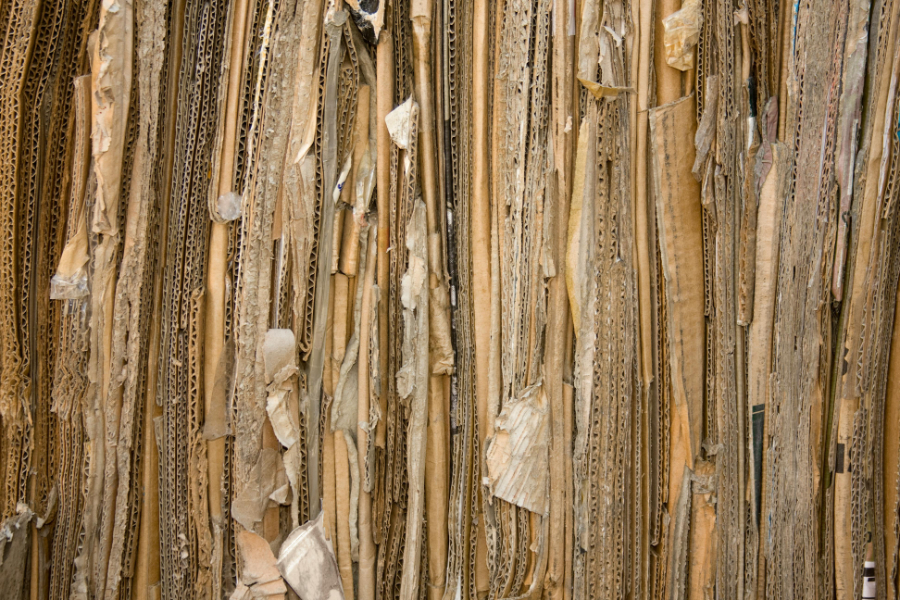
- Corrugated cardboard boxes
- Paperboard cartons and sleeves
- Glass jars and bottles
- Aluminium cans and tins
Final verdict
Incorporating sustainable packaging into your business starts with vision and understanding the environmental impact of plastic packaging. Businesses have more than one sustainable packaging solution and strategy, whether your brand motive is recycle, reduce, reuse, or replace.
While it may sound overwhelming to overhaul your packaging, remember the long-term benefits, including lower manufacturing energy, reduced carbon emissions, and cost-effective packaging materials.
Consider switching to compostable or recyclable options, sourcing FSC-certified paper, or simplifying your packaging design to use fewer materials and reinforce sustainability.