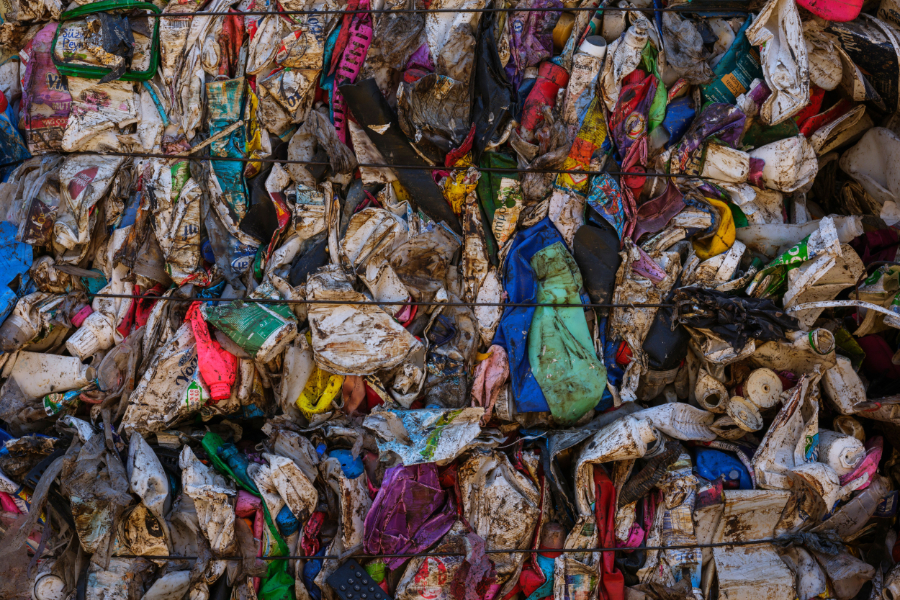
Ireland’s Environmental Protection Agency (EPA) has said that while the country has made progress in terms of some aspects of the National Hazardous Waste Management Plan 2021–2027, it is still reliant on overseas facilities to manage significant volumes of hazardous waste.
The EPA’s mid-term evaluation of the plan, which outlines measures for improving the prevention and management of waste such as farm-related hazardous waste (such as spent sheep dip); unused and expired medicines; and household hazardous waste (including surplus paint), said that progress on priority areas has been ‘variable’.
‘Strong case for investment’
“Our report highlights a strong case for investment in Ireland’s hazardous waste treatment infrastructure,” commented David Flynn, director of the EPA’s Office of Environmental Sustainability.
“This is needed to ensure highly polluting hazardous wastes are properly and safely managed. Ireland exports half of its hazardous waste for treatment. We cannot continue to rely on other countries to treat significant quantities of hazardous wastes generated in Ireland.”
Hazardous waste generation decreased from 580,000 tonnes in 2019 to 381,000 tonnes in 2023, due to a decrease in dredging activity and lower volumes of contaminated soils, among other activities. Some 189,298 tonnes of this waste was treated abroad.
Making progress
The EPA’s mid-term evaluation also noted that 17 recommendations set out in the plan are either complete or on-track.
“The report shows some progress in establishing systems for the collection of household hazardous and farm hazardous wastes,” added Warren Phelan, programme manager for the circular economy at the EPA. “However, the setting up of a national take back scheme for unused and expired medicines has been slow.
“Sustained investment to ensure the durability and resilience of these systems is needed. Producers whose products result in hazardous wastes, such as paints, oils and farm chemicals, need to take greater responsibility, including funding for their safe management.”
Ireland’s National Hazardous Waste Management Plan, which is now in its fourth iteration, is designed to set priorities for six-year cycles while also shaping longer-term policy. Read more here.