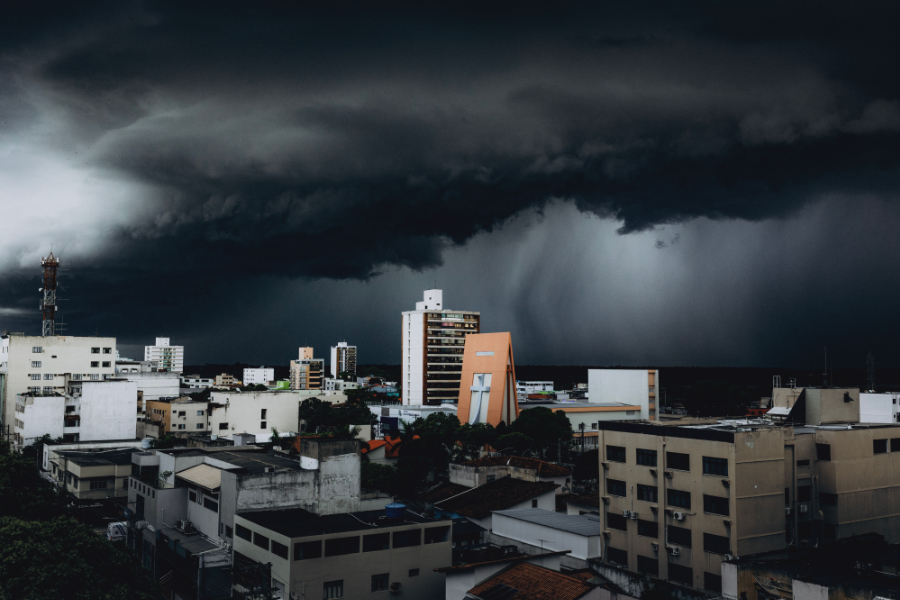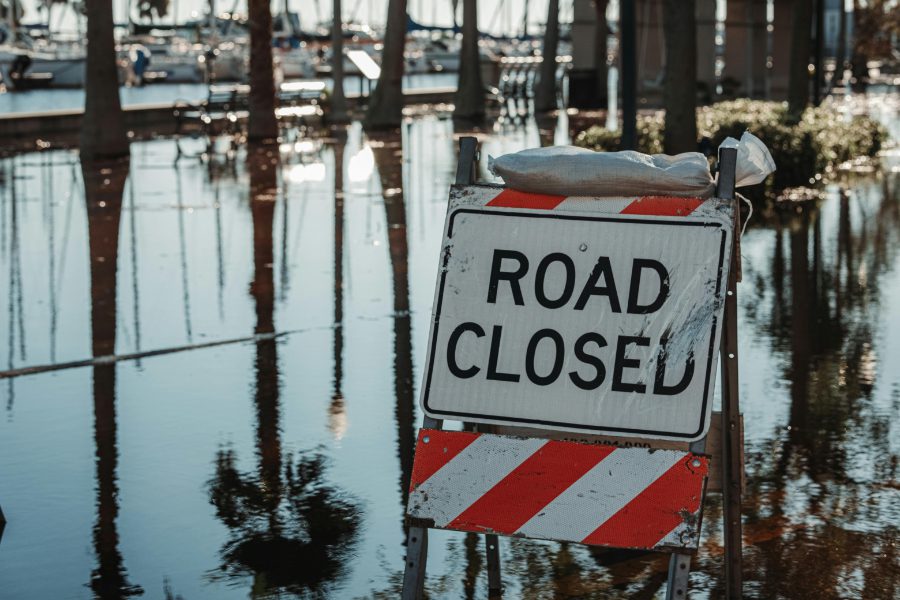
A new report by the International SOS Foundation has found that mental health support for those affected by extreme weather events often falls short, with 40% of businesses failing to provide mental health support for employees and their families in the event of disaster striking.
The foundation’s report, Extreme Weather: Health Impacts on the Global Workforce, explored the growing challenges organisations face from increasingly severe weather events, with significant gaps in preparedness and support for affected employees.
Impact on business
It found that extreme weather has impacted 65% of businesses over the past five years, with flooding (72%) cited as the most common disruption. Among the businesses that have been affected, operational interruptions (80%), infrastructure damage (54%), and physical injuries (24%) are among the issues firms face.
At the same time, despite the escalating risks, some 36% of organisations lack comprehensive policies for extreme weather, while 57% have not conducted risk assessments to address these threats.
For those that have plans in place, just a quarter specifically address the health risks to employees, potentially complicating emergency response and effective crisis management, according to the foundation.
That two-fifths of organisations do not provide assistance to employees and their families dealing with trauma, stress, and anxiety after such events also undermines employee resilience, it notes.
‘The aftermath of these events can be just as devastating as the physical damage, and without the right support, the long-term consequences can be significant for both individuals and the organisation as a whole,’ the foundation commented.
Read more: What are the UN Sustainable Development Goals (SDGs)? Goal 3: Good Health and Well-Being
‘Complex challenges’
“In today’s world, businesses are navigating increasingly complex challenges due to extreme weather,” commented Dr Irene Lai, global medical director at International SOS. “It’s not just about bracing for a flood or a heatwave; it is about the human side of resilience—understanding how these events can profoundly impact health, mental wellbeing, and security.
“Many organisations still overlook the comprehensive planning needed to safeguard their workforce in these moments of crisis. True resilience involves more than just infrastructure; it requires proactive, people-centred planning that prepares both individuals and communities to withstand and recover from these impactful events. This means establishing reliable communication channels, ensuring access to medical and mental health resources, and embedding flexibility in response plans to adapt to evolving situations.
“When organisations address these elements, they not only protect their people but strengthen their long-term ability to thrive.” Read more here.
Read more: Retailers urged to align protein sales with human and planetary health goals