Some 34% of the global forest loss recorded between 2001 and 2024 is ‘likely gone for good’, according to new analysis from the World Resources Institute and Google DeepMind.
According to the analysis, which utilised satellite imagery and artificial intelligence models via Global Forest Watch and Land & Carbon Lab, the impact is more severe in tropical primary rainforests, where 61% of loss is tied to permanent land use change, such as for agriculture and infrastructure development.
‘A major setback’
This is a ‘major setback for some of the planet’s most vital ecosystems for biodiversity and carbon storage’, the report noted.
“We’ve long known where forests are being lost. Now we better understand why,” commented Michelle Sims, research associate at WRI. “This knowledge is essential to developing smarter actions at the regional, national and even local level — to protect remaining forests and restore degraded ones”.
The core drivers of forest loss are the expansion of agriculture, mining, infrastructure and settlements, which together accounted for 177 million hectares of global tree cover loss since 2001. Agriculture is by far the biggest culprit, accounting for 95% of that total.
In tropical primary rainforests, some 50.7 million hectares have been lost since 2001, an area equivalent to the size of Thailand.
The remainder of the global forest loss – some 66% – stems from causes such as logging, wildfires, natural disturbances or shifting cultivation, which may not have as long-lasting an effect, however recovery is dependant on how the land is managed afterwards, the type of forest, and the environmental stress it faces.
“Just because trees grow back doesn’t mean forests return to their original state,” added Radost Stanimirova, Research Associate at WRI. “They might store less carbon, have fewer species or be more vulnerable to future damage. And climate change is making many natural events like fires and pest outbreaks more intense and frequent, which makes it harder for forests to recover.”
Read more: Global forest loss rose to ‘record highs’ in 2024, data shows
Forest loss
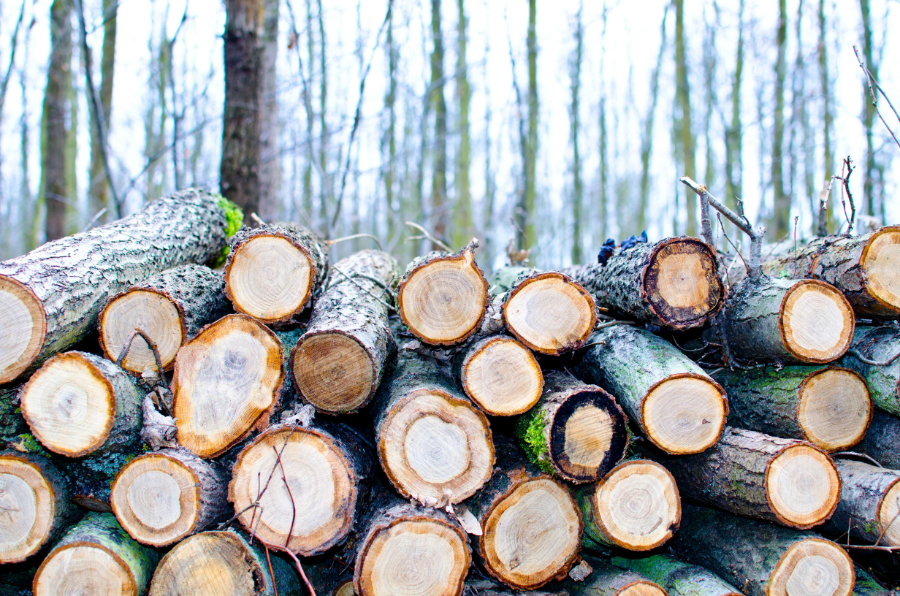
The causes of forest loss vary by region – in Russia and Canada, for example, most tree cover loss is associated with wildfire and commercial logging, while in Europe, timber harvesting accounts for 91% of forest loss.
However, in Peru’s Madre de Dios region, mining was responsible for 28% of observed forest loss, while in Colorado, insect infestation – the bark beetle – led to 27% of tree loss over a two-decade period.
‘Permanent forest loss has serious and far-reaching consequences: reduced carbon storage, accelerated biodiversity loss and heightened risks to water and food security — all at a time when the planet is already facing a deepening climate and ecological crisis,’ the WRI noted. ‘Even temporary losses can be dangerous; depending on how forests recover, they may still lead to long-term ecosystem degradation and a decline in the critical services forests provide.’ Read more here.