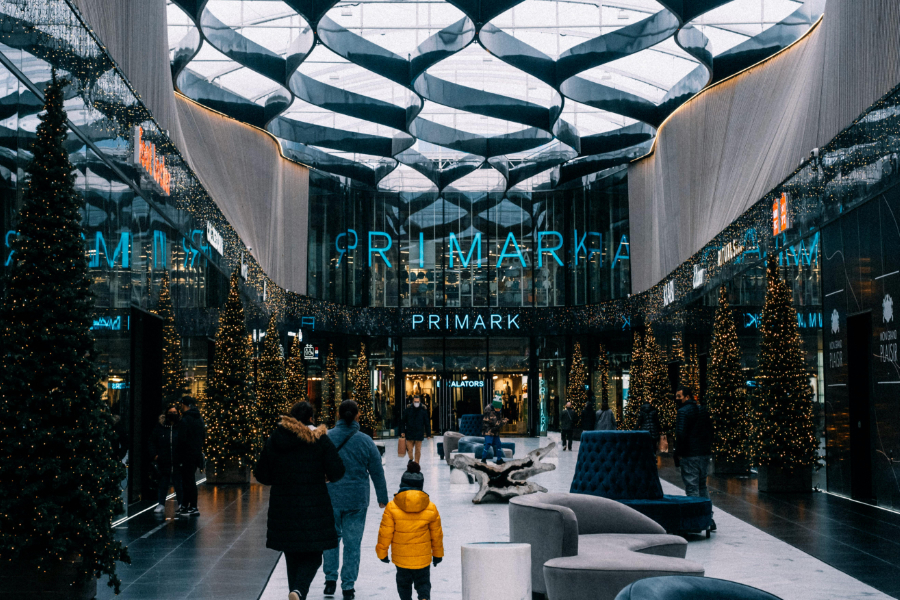
Fashion giant Primark is making progress on circularity, extended product life and the use of recycled or sustainably-sourced fibres in its clothing, it said in its latest Sustainability and Ethics Progress Report.
The report, its fourth, states that some three quarters (74%) of Primark’s clothing is now made from recycled or sustainably-sourced fibres, up from 66% last year. Of this share, 39% contains recycled fibres.
Close to three fifths (57%) of its clothing contains cotton that is organic, recycled, or produced through the Primark Cotton Project, while 5% of its products are now ‘circular by design’, making them easier to recycle at end-of-life.
With certain product groups, such as jersey (20%) and denim (8%), this circularity percentage is even higher, it noted.
‘Made to last’
“People come to Primark for great value fashion and everyday essentials that are made to last,” commented Lynne Walker, director of Primark Cares. “Four years on, we’ve shown that you don’t have to choose between sustainability and value.
“Our sustainability commitments belong to all of us at Primark and we continue to use our scale for good to help drive change both within Primark and outside it.”
On product durability, Primark has collected a full year of durability testing data for denim, socks and jersey items under its Durability Framework, with results indicating that products maintained their quality after 45 washes.
In terms of traceability, meanwhile, another core metric, 100% of clothing, textile and footwear suppliers in Primark’s supply chain have been onboarded to its traceability programme.
Emissions reduction
Primark, known as Penney’s in Ireland, also reported progress in terms of emissions reduction, with a 5.7% reduction in total greenhouse gas emissions across its value chain, against a 2019 baseline. Scope 1 and 2 emissions were down 71%, it said, while Scope 3 emissions fell by 4%.
Around a fifth (19%) of Primark’s ocean freight was transported using a biofuel blend, while 97 of its production facilities across Bangladesh, China and India have applied a resource efficiency programme aimed at reducing energy, water and chemical use, as well as greenhouse gas emissions.
“We know we have a huge responsibility as a global retailer and there is always more to be done, but this year’s report shows that our efforts, and those of our suppliers and partners, are starting to bring about meaningful change,” Walker added. “We continue to learn as we gather insights and data and further collaboration across the industry, both crucial to help us achieve our ambitions in this space.” Read more here.