While India reached a milestone in non-fossil fuel power generation last year, the fact that grid operators were forced to curtail renewable generation to preserve system stability indicates the need for greater energy flexibility, Ember has said.
In a new report, Beyond capacity: why India’s power system must get flexible to harness its solar potential, Ember noted that last year, India reported 50% of installed power generation capacity coming from non-fossil fuel sources, led by solar generation.
Renewable curtailment
Yet some 2.3 TWh of solar energy was curtailed between May and December 2025, due to the energy network’s inability to flex conventional generation and utilise solar energy during periods of lower-than-forecast daytime demand.
At the same time, coal-fired generation, which remains necessary to meet evening demand peaks, could not be ramped down sufficiently at midday without breaching technical constraints. On a number of occasions, the coal fleet’s load factor fell close to the mandated minimum thermal load (MTL) of 55%, and was not able to flex down further than this.
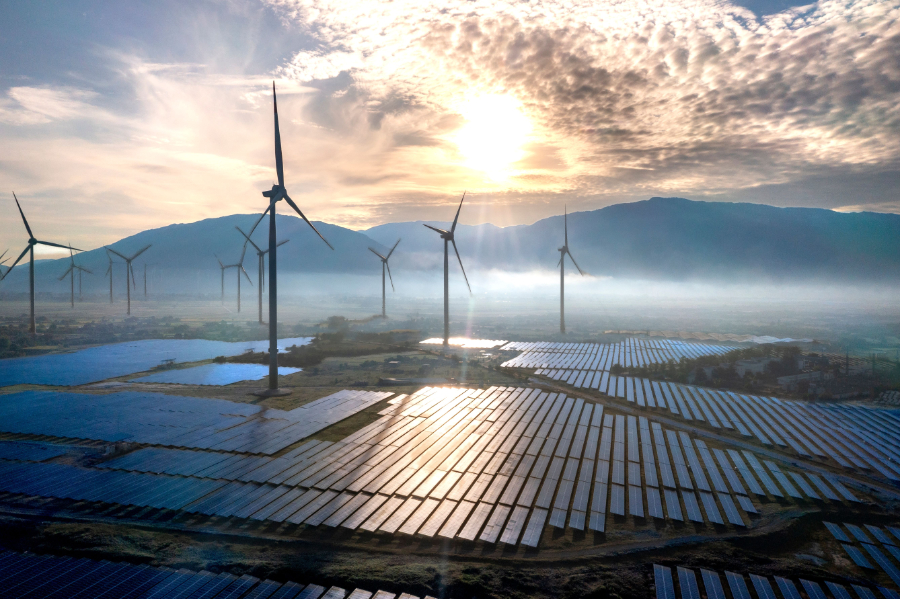
Solar energy
“A massive 38 GW of solar capacity was added in 2025,” commented Ruchita Shah, energy analyst, Ember. “Yet, curtailment of renewable energy emerged as a key theme of the year, driven by transmission constraints and grid security concerns through emergency measures.
“In many ways, such curtailment defeats the very purpose of building this capacity. While grid security-related curtailment in 2025 may not be a major concern in isolation, as it was largely triggered by lower-than-expected demand, it served as a real-world stress test for a high-solar future. It highlighted a fundamental reality: clean energy cannot scale efficiently without flexibility.”
According to Ember, this curtailment of solar energy resulted in 2.11 million tonnes of unrealised CO2 abatement.
‘The experience of 2025 signals how the power system must evolve as solar capacity expands rapidly,’ it noted. ‘Flexibility buildout across the three levers (supply, store and shift) now needs to keep pace with solar capacity additions.’ Read more here.