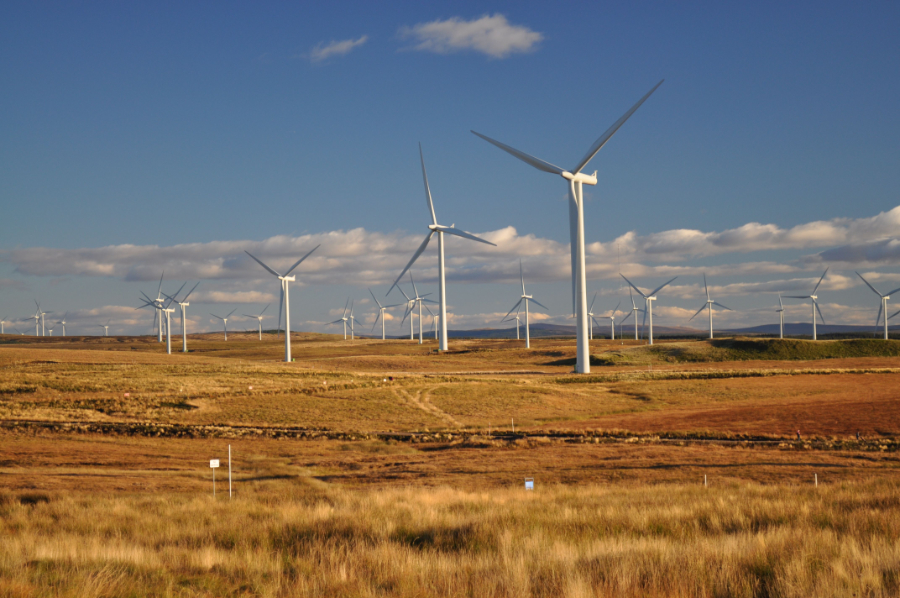
BBVA has said that renewable energy sources were responsible for 99% of its global electricity consumption in 2025, while it has also reduced Scope 1 and 2 emissions by 83% since 2019.
The bank made the announcement as it approved its new 2026-2030 Global Eco-efficiency Plan, which builds on its previous 2021-2025 plan. It noted that all the targets in the previous plan were achieved two years ahead of schedule, with BBVA continuing to improve its indicators in the intervening period.
BBVA added that it has achieved a 22% reduction in electricity consumption per employee, alongside reductions in energy use, water consumption, paper use and net waste generation.
‘A key lever’
“The new plan is a key lever to reduce the environmental impact of our direct activities,” commented Alberto Agustín, head of premises and services at BBVA. “This approach reinforces our commitment to more efficient building management by relying on technology and increasingly stringent standards.
“We are building on a very strong foundation, with significant progress in all indicators. Now, we are taking it a step further and raising our sights to continue reducing consumption and emissions across our entire real estate network.”
Key goals
Among the goals of the 2026-2030 plan are to source 100% of electricity from renewables, enhance resource efficiency per employee and expand the number of certified buildings across its property portfolio.
The plan focuses on five core areas – renewable energy, energy efficiency, sustainable mobility, resource and waste management and operational decarbonisation.
It also outlines a series of mechanisms designed to enable it reduce operations-linked emissions. In 2025, the bank retired more than 167,000 carbon credits and maintained an internal carbon price of €32 per tonne. In terms of tackling Scope 3 emissions meanwhile – which account for around 99% of total emissions – BBVA said that it has set out sector transition plans to align its portfolio with decarbonisation pathways.
“Beyond the targets, this plan consolidates a culture of environmental efficiency and responsibility throughout the entire organisation, where every building and every team contributes to a common aim,” Agustín added. Read more here.