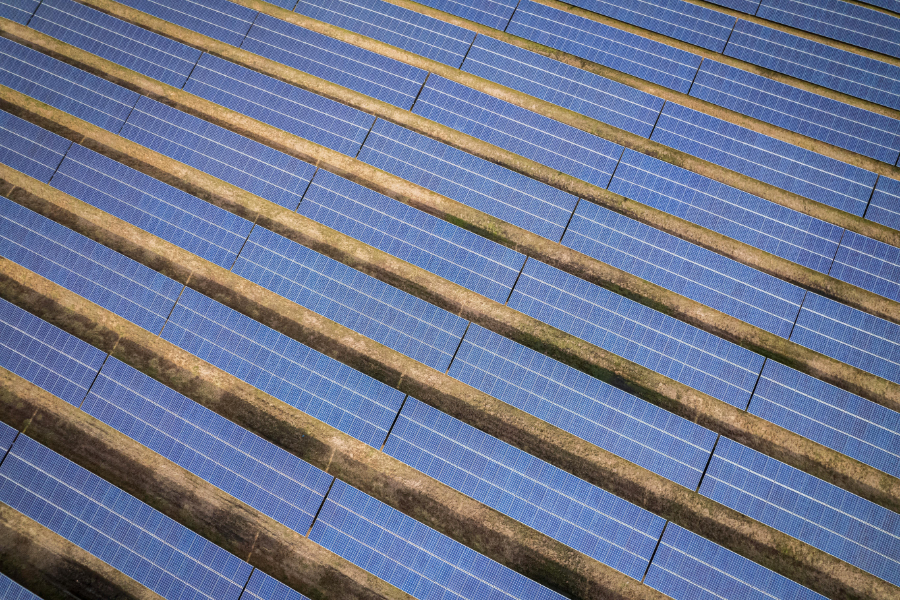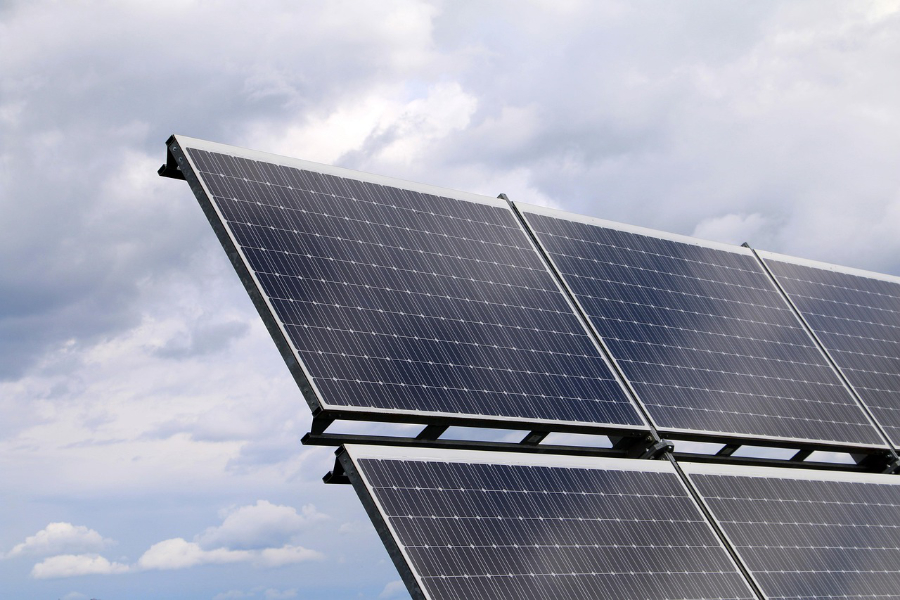
Grid-scale solar generation rose by 10% in Australia in the first quarter of 2025, while wind generation was up 18%, new data from the Australian Energy Market Operator (AEMO) has found.
According to the data, rooftop solar output achieved a record high in the period, rising by 16%.
Operational demand
Underlying electricity demand averaged 25,162 megawatts (MW) in the period, a 1.4% increase from the previous year, AEMO said. However, operational demand the national electricity market (NEM) dipped 0.8% due to milder weather conditions in New South Wales and Queensland offsetting demand growth in southern mainland regions.
Record lows for Q1 operational demand were reported in Victoria (1,504 MW) and NSW (2,718 MW), the data showed.
“These minimum demand records were largely attributable to growth in rooftop solar, with the NEM, as a whole, reaching a new Q1 record of 11,680 MW,” commented Violette Mouchaileh, AEMO executive general manager, policy and corporate affairs.
“The impact of the transitioning electricity system was also seen, with a 5.1% decline in total emissions, due to the combination of lower coal and gas-fired generation and higher renewable output.”
Prices set by coal generators rose to $84/MWh, while hydro generators rose to $123/MWh. Grid-scale solar and wind set prices in 15% of intervals in the first quarter of 2025, compared to 10% during the same period in 2024.
“Upward forces in coal and hydro prices were largely offset by downward pressures from higher renewable energy availability and fewer extreme price volatility events this quarter,” Mouchaileh added. “Additionally, the frequency of negative pricing increased during the quarter, particularly in the NEM’s northern regions, which was largely attributable to grid-scale solar and wind setting prices more often.”
Read more: Nearly half of Australian consumers consider sustainability an ‘important factor’
Battery generation
Elsewhere, battery output surged by 86% to an average of 98 MW, supported by new capacity additions. This led to a 261% increase in battery generation, with battery generation now accounting for 1.3% of the fuel mix.
“The higher renewable and battery generation combined with lower coal-fired power output resulted in a Q1 record low in emissions intensity, which was 5.7% below the same period last year,” said Mouchaileh. “This reflects the impacts of the transition underway within Western Australia’s main power grid.” Read more here.