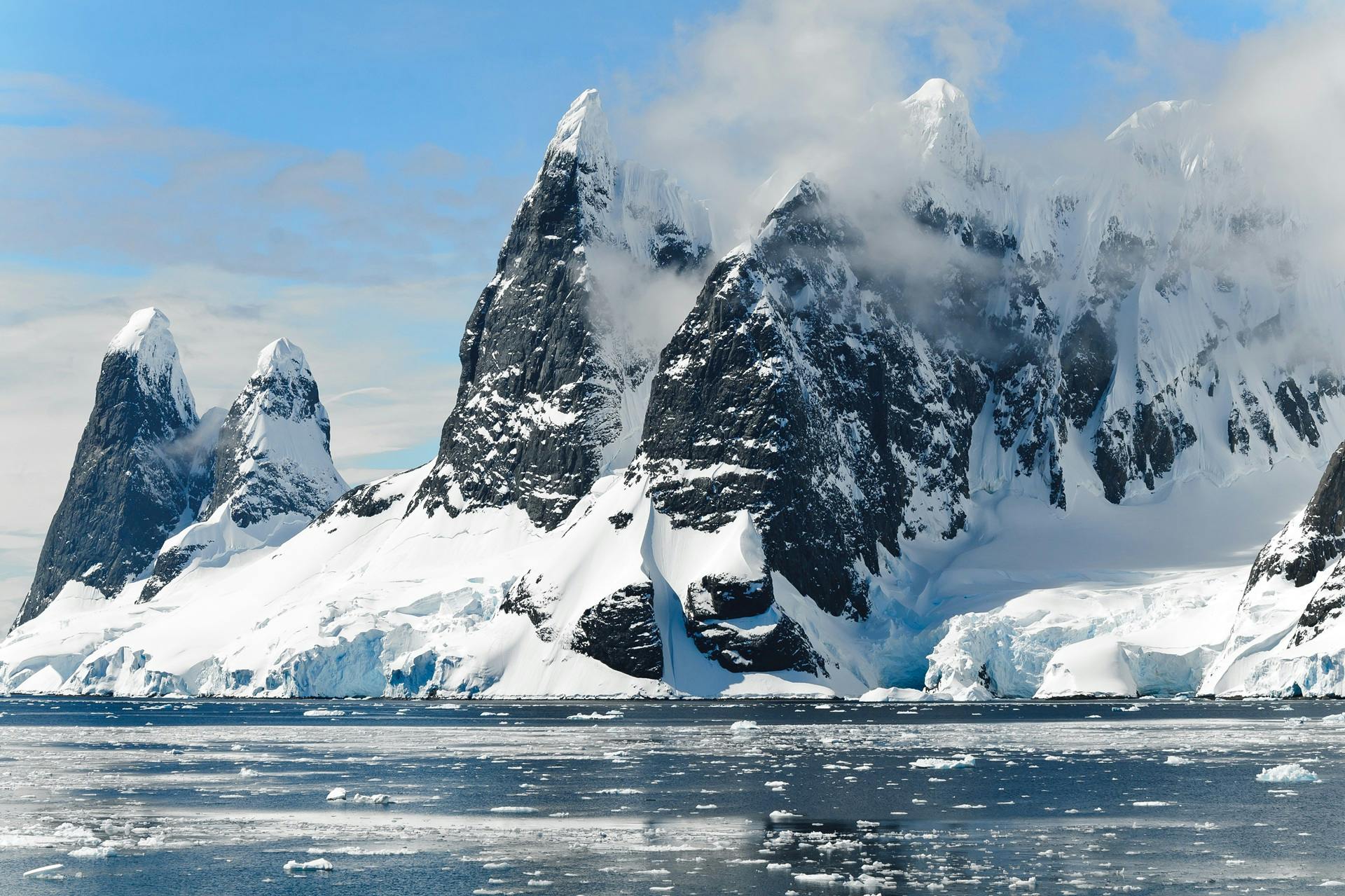
The southern hemisphere ozone hole, located over the Antarctic, developed early this year, reaching an area of approximately 15 million square kilometres a week earlier than last year, according to the Copernicus Atmosphere Monitoring Service (CAMS).
This early development aligns more closely with pattens observed in 2023, it noted, rather than during the ‘more moderate’ 2024 season.
By mid-September 2025, the ozone hole had reached an estimated area of 21.08 million square kilometres. This extent is below the historical maximum for the period but above the long-term average recorded between 1979 and 2022.
Status and evolution
“CAMS contributes to the global effort to preserve the ozone layer, providing cutting-edge monitoring tools and assessments on the status and evolution of the ozone hole and tracking concentrations of ozone-depleting substances and providing data and tools to monitor the ozone layer throughout the year,” commented Laurence Rouil, director of CAMS.
“The 2025 ozone hole is showing highly variable patterns, underscoring the importance of reliable forecasts and analyses.”

Atmospheric dynamics
The duration and area of the ozone hole is subject to variability, depending on global atmospheric dynamics and chemical factors, CAMS added.
CAMS made the announcement to coincide with UN International Day for the Preservation of the Ozone Layer on 16 September, which commemorates the 1987 signing of the Montreal Protocol, which regulated the production and consumption of ozone-depleting substances.
During the Antarctic ozone hole season, which typically runs from August to December, CAMS publishes daily maps, charts, animations and forecasts on its ozone monitoring page. The ozone forecast charts show predictions for vertically integrated total column ozone values in Dobson Units and ozone concentrations at different levels in the atmosphere, both globally and for the region, up to five days ahead. Read more here.