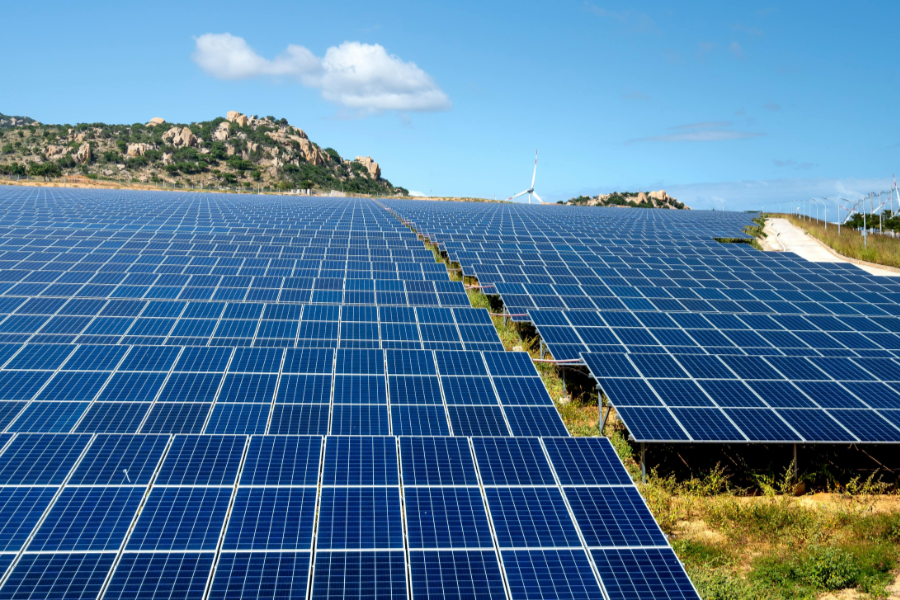
Farmers in the UK are being encouraged to undertake an assessment of their own business, and identify actions they could take to reduce the impact of climate change, according to a new report by the Agriculture and Horticulture Development Board (AHDB).
“The UK is experiencing less predictable seasons and more frequent and intense weather events,” commented Rachael Madeley-Davies, AHDB head of environment.
“Agriculture is especially vulnerable to these changes because it is directly dependent on the climate, as well as relying on natural assets like soils interacting with complex biological systems.”
Temperature scenarios
The AHDB‘s Climate Change Adaptation report examines how climate change could impact the agriculture sector across multiple different temperature increase scenarios between now and the end of the century.
Flooding has been identified as a ‘high-priority area’ by the report, with projections from the Met Office’s UK Climate Projections 2018 (UKCP18) suggesting a 20% increase in heavy rainfall by the middle of the century, with average rainfall around 5% greater than in the period from 1981 to 2000.
“Many farmers are already aware of the risks caused by flooding, but it’s important this becomes a focus for all,” Madeley-Davies added. “Farmers need to identify any risk areas to their farm in order to futureproof their business.
“Ensuring that soil remains permeable and minimising compaction is an easy win in terms of soil health and adapting to managing increased rainfall and flooding implications on farmland. This could include practical steps such as aeration, minimal tillage and utilising deep-rooted varieties such as festuloloium, cocksfoot and clovers.”
Farmers are also advised to assess watercourses near farm infrastructure to determine if maintenance or investment in water management solutions is necessary.
Market opportunties
At the same time, while climate change is likely have a broadly negative effect on the sector, the report also identifies potential opportunities, including the chance to grow new crops and lowering of feed and energy costs.
“Ultimately agriculture needs to begin adapting to, as well as mitigating against, climate change – it’s two sides of the same coin,” said Madeley-Davies. “The good news is a lot of the actions required are current best practice such as maintaining soil health for productivity and animal health and welfare.” Read more here.