A study by the American Chemical Society has suggested that fungi grown on side streams generated by food production, such as apple pomace and whey from cheese manufacturing, could be effectively developed into plant-based food additives.
In undertaking the study, Pleurotus djamor Mycelium: Sustainable Production of a Promising Protein Source from Carrot Side Streams, which was published in the Journal of Agricultural and Food Chemistry, researchers grew mushrooms on side streams from carrot production, incorporating the mycelium of said fungi – its root-like structure – into plant-based patties and sausages.
“This study is a significant step towards a circular economy by transforming valuable food side streams into a high-quality protein source, highlighting the potential of fungal mycelium in addressing global food security and sustainability challenges,” commented Martin Gand, one of the study’s authors.
About the research
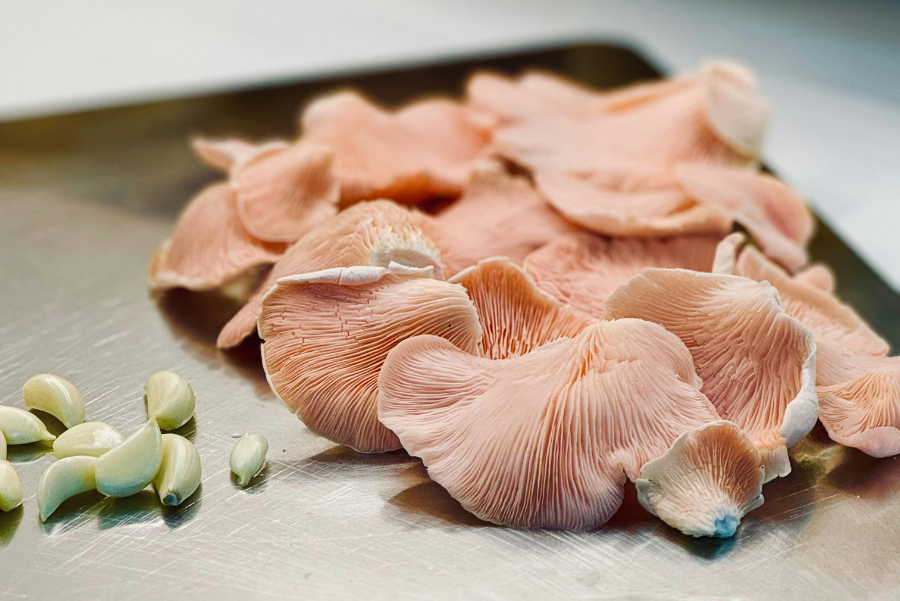
A total of 106 different fungal strains were grown on carrot side streams to identify candidates with the best growth performance and high protein content, with the pink oyster mushroom, otherwise known as Pleurotus djamor, boasting the most optimised growth conditions and protein content.
As they noted, the mycelium from this fungal variant produced protein with biological values comparable to those of conventional plant and animal proteins, while also being low in fat and containing high fibre levels.
Once incorporated into plant-based patties and sausages, a team of volunteers evaluated the taste, texture and smell of said products, and showed a preference for products made entirely with mycelium over those made with soy protein.
Functional and effective
According to the researchers, the study suggests that fungal mycelium grown on food production side streams can serve as a functional and effective protein source, particularly given that it utilises materials that would otherwise go to waste.
“Utilising side streams as substrate for mycelium production reduces environmental impact while adding value and supports food security by enabling an efficient and sustainable protein production,” Gand added. Read more here and here.