While consumers acknowledge the sustainability benefits of insect-based protein, a lingering ‘ick factor’ puts many off, a study by researchers at the University of Alberta has suggested.
According to the study, which surveyed over 500 consumers on their perceptions of cricket-based snacks, health and sustainability claims proved only ‘marginally effective’ in encouraging trial.
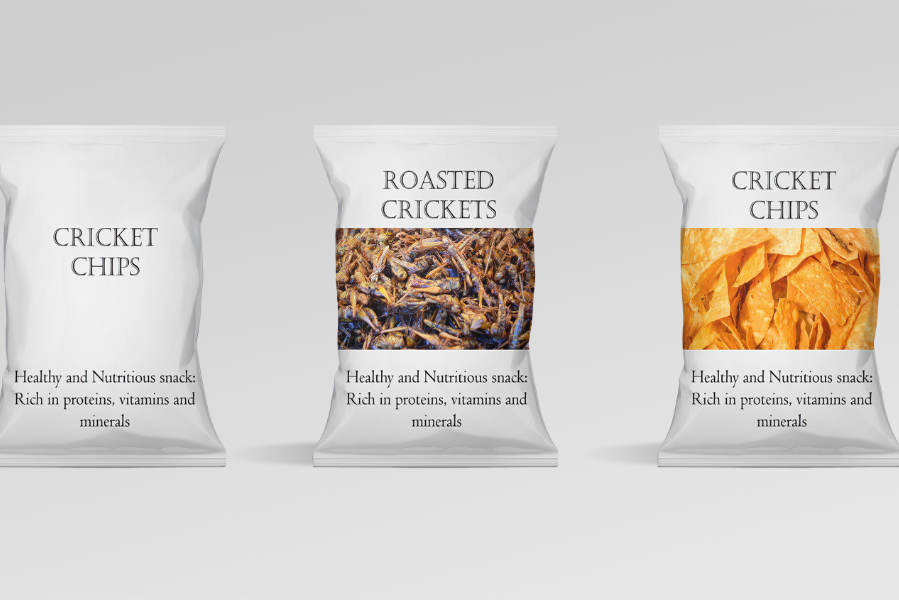
Participants were presented with various types of cricket-based products, including chips and whole-roasted crickets, as well as packaging designs that featured claims such as ‘certified organic’, ‘sustainable food source’, and ‘tasty snack’.
As it noted, the benefits highlighted on the label had little effect on participants’ willingness to try the snacks, with the type of product and the images on the packaging proving more influential.
Cricket chips were the most preferred type of snack, while packaging that featured images of the chips rather than the insects themselves were more appealing – as the study noted, ‘the ick factor was much higher when the bag instead showed a roasted cricket’.
Common perception
“It’s a common perception that consumers want sustainable food products, but even though we provided that information, it didn’t turn out to be important or attractive to them,” commented Wendy Wismer, associate professor in the Faculty of Agricultural, Life & Environmental Sciences at the University of Alberta and co-author of the study.
“You would think it would be good news to the consumer, but in actual fact, it’s a real turnoff. That’s really challenging for selling sustainable food products made with insects, or coffee grounds or other upcycled food.”
A separate finding from the study was that while many participants hesitated to eat insect-based foods themselves, they were more accepting of insects being used in animal or pet food.
“That shows an opportunity to enhance the sustainability chain by perhaps feeding food waste products to insects, then feeding the insects to livestock,” Wismer added. Read more here.