A dead car battery, a pile of copper wire, and a broken laptop all need to leave your property, but they don’t all need to leave the same way. Some recyclers only want the easy stuff. Others try to take everything and end up handling none of it well.
PADNOS is a Midwest recycling and scrap management company built around a wider mix than most competitors attempt. It works with scrap metal, end-of-life vehicles, catalytic converters, and electronics, serving both individuals dropping off a truckload of scrap and manufacturers running a continuous production line.
The company was named a best and brightest company to work for in West Michigan in 2024, a detail that says more about how it treats employees than about its recycling operation, but it’s worth knowing going into 2027 if you’re weighing who to trust with your materials.
What PADNOS actually does
Strip away the branding, and PADNOS is a processor and buyer of scrap. It takes in ferrous and non-ferrous metals like steel, aluminum, and copper, along with brass and wire, and it also handles categories that a lot of smaller yards turn away: catalytic converters, appliances, electronics, and junk cars.
That range matters because it means a contractor, a manufacturer, and a homeowner with a dead sedan in the driveway can all work with the same company instead of hunting down three separate buyers for three separate material streams.
For individuals and small businesses, the model is simple: bring accepted materials to a PADNOS recycling center and get paid for what you drop off. For manufacturers and larger commercial operations, it’s a different conversation built around volume and process, not a single drop-off.
How the commercial side works
A business generating scrap as a byproduct of manufacturing doesn’t need a drop-off counter. It needs a plan for what happens to that material every week.
PADNOS builds customized recycling programs around a company’s material volumes, equipment, and production processes rather than handing every customer the same contract. That typically includes:
- Regular collection scheduled around actual output instead of ad hoc pickups
- Sorting and grading so mixed scrap gets priced accurately by material type
- Processing that preps recovered metal to go back into the manufacturing supply chain as raw material
- Support for improving on-site material handling so less usable scrap gets lost or contaminated before it ever reaches a buyer
That last point is where PADNOS separates itself from a straightforward scrap hauler. A hauler shows up, weighs a load, and leaves. PADNOS works further upstream, looking at how production scrap is generated and handled before it even reaches the loading dock, then helping recover more value from it.
For a manufacturer running in high volume, that difference in a mixed load’s grading or a reduction in handling losses can matter more over a year than the per-pound rate on any single pickup.
Materials and vehicles PADNOS will take
The accepted-materials list is broad enough to cover most of what a household, contractor, or small business generates:
- Scrap metal including copper, aluminum and steel
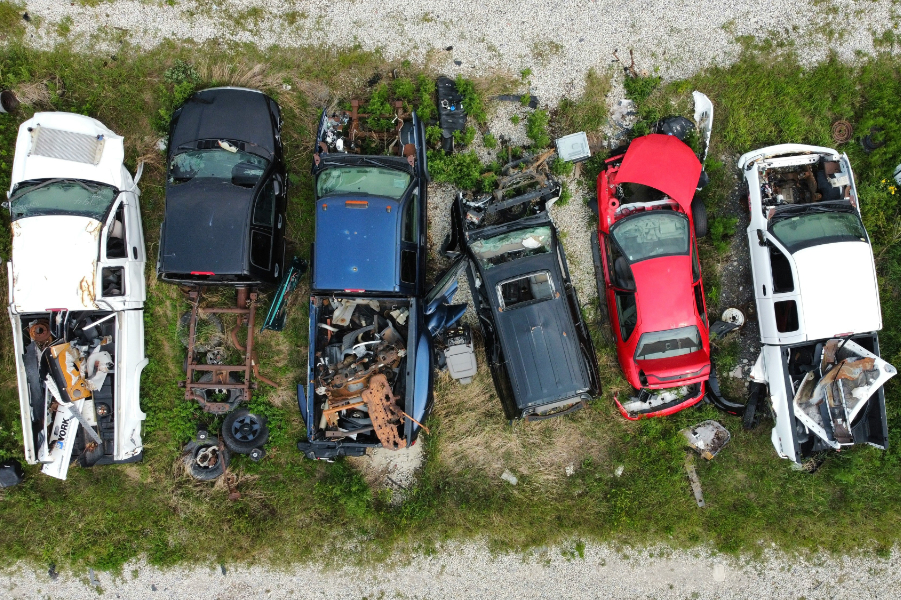
- Junk cars and other end-of-life vehicles, with free removal available
- Catalytic converters
- Electronics
- Wire, industrial scrap and construction scrap
- Appliances
The free junk car removal is a specific, usable detail rather than a vague convenience claim. If you’ve got a vehicle that no longer runs and isn’t worth repairing, PADNOS will come get it rather than asking you to haul it in yourself, which solves the actual logistics problem that keeps a lot of old vehicles sitting in driveways for years.
A company built on scale and a family name
Plenty of recyclers pick one lane: big industrial processors that treat every account like a number, or small local yards that know your name but can’t handle serious volume. PADNOS has operated for more than 120 years, and in that time it built out the processing capacity and material grading accuracy of a large-scale recycler while staying a family-owned company.
That combination shows up in practice as competitive rates backed by experienced grading teams, paired with the kind of direct relationship a small operation offers and a large one usually can’t. For a manufacturer negotiating a long-term scrap contract, having one point of contact who understands their production line, rather than a rotating account rep at a distant corporate recycler, is a real operational advantage.
It’s also a point worth keeping in mind against the backdrop of the country’s broader recycling picture: plastic waste generation alone is on track to reach 220 million tonnes this year and metal recovery infrastructure carries a growing share of the load as that volume climbs.
Where PADNOS comes up short
No recycler fits every situation, and PADNOS is no exception. The company is metal- and electronics-focused, not a general waste hauler. If you’re dealing with household trash or mixed non-recyclable waste, PADNOS isn’t the right call. It’s built for scrap metal, vehicles, catalytic converters, and electronics, not curbside garbage.
Drop-off still means a trip. Outside of free junk car pickup, getting material to a PADNOS recycling center is on the customer, which works fine for a contractor already hauling a load but is less convenient for someone with a small amount of scrap and no truck.
Commercial programs take setup time. A customized recycling program built around a manufacturer’s volume and equipment isn’t something you sign up for in one phone call. It takes time to assess the operation first, which is the right approach for accuracy but a slower start than a generic scrap contract.
None of these are dealbreakers. They’re the trade-offs of a company that specializes in metal, vehicless, and electronics rather than trying to be every kind of waste service at once, a distinction worth keeping in mind if you’re also comparing recyclers against the state-by-state breakdown of landfill waste and wondering where metal recovery actually fits into the bigger picture.
Who should use PADNOS
A manufacturer generating a steady stream of production scrap gets the most out of the relationship, since the customized program model is built specifically for recurring volume, not one-off drop-offs.
Contractors clearing out construction scrap or old appliances get a straightforward drop-off option with accurate grading. Anyone with a junk car taking up space gets free removal, which is reason enough on its own.
Someone with a single afternoon’s worth of light scrap, or a household just trying to get rid of general trash, will find PADNOS set up for a different kind of customer.
The verdict
PADNOS earns its place as a serious option for anyone with real scrap volume, whether that’s a manufacturer managing ongoing production waste or a contractor clearing a job site.
The combination of broad material acceptance, free junk car removal, and commercial programs built around actual production processes covers more ground than a typical local scrap yard, while the 120-plus years in business suggest a company that’s figured out how to keep both industrial customers and individual walk-ins satisfied.
It won’t suit someone looking for general household waste pickup, but for metal, vehicles, catalytic converters, and electronics, it’s a credible call going into 2027.
Learn more at padnos.com.