Op-ed by Ponglert Chantorn, energy columnist at Boss Energy.
European countries are poised to revive nuclear power to secure supply to accommodate the steep growth in data centres. The hidden cost lies not in capital alone, but in the readiness of grid infrastructure and human resources for such a rapid transformation.
Data centre demand puts nuclear back in play
In September 2026, the European Commission projected that data centres will consume 114 terawatt-hours (TWh) of electricity by 2030, nearly doubling the 68 TWh in 2024.
With artificial intelligence capacity lined up in the pipeline, dispatchable nuclear power is critical for the European Union to safeguard each nation’s energy sovereignty while supporting the data centre boom.
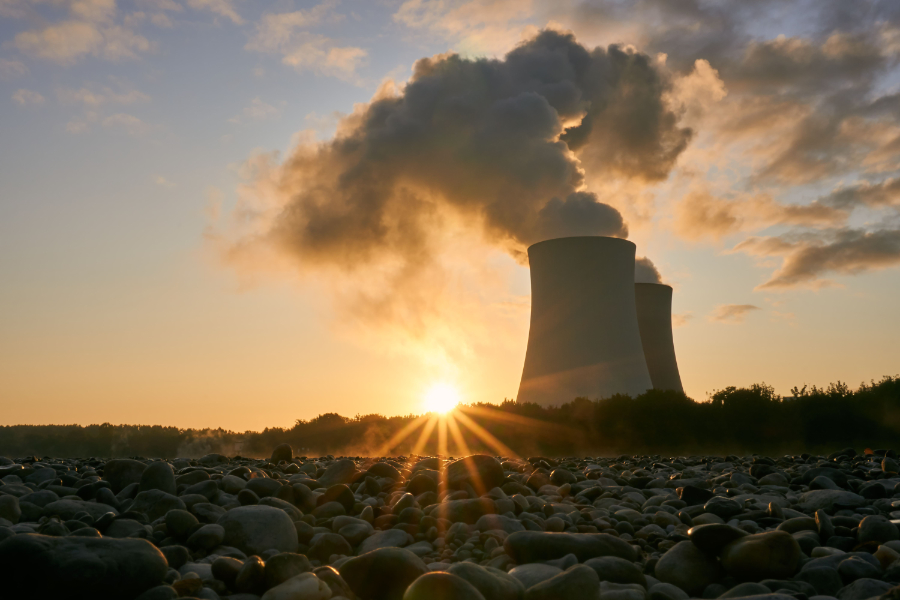
Today, 12 of the 27 EU member states run fission reactors – splitting heavy uranium atoms – with France producing nearly 60% of the bloc’s nuclear power. Meanwhile, fusion energy – joining light hydrogen atoms – promises cleaner power but remains experimental.
Even so, venture capital and private equity funding for fusion energy at the global level accounts for nearly two-thirds of a $2.5 billion record-high nuclear capital in the first half of 2026, five-fold the level in early 2022.
Ambitious targets, emerging rules
To meet Europe’s power needs, the EU Nuclear Alliance is targeting 150GW of nuclear capacity by 2050, while European regulators write the rules for fusion: the European Nuclear Safety Regulators Group (ENSREG) Task Force on Fusion Energy aims to propose a fusion-specific legal framework, engineering codes, and regulatory competence to the European Commission by the end of 2027.
The price tag, however, is climbing with the ambition. The European Commission’s Nuclear Illustrative Programme (PINC) puts the cost of existing plans at around €241 billion by 2050 – enough to lift EU capacity only from 98 GW in 2025 to 109 GW.
Closing the gap to 150 GW would take more reactors and a fleet of small modular reactors (SMRs) on top of that figure. Nor does it count the hidden costs that may decide the outcome: an aging grid and a severe nuclear skills shortage.
Tackling the bottlenecks
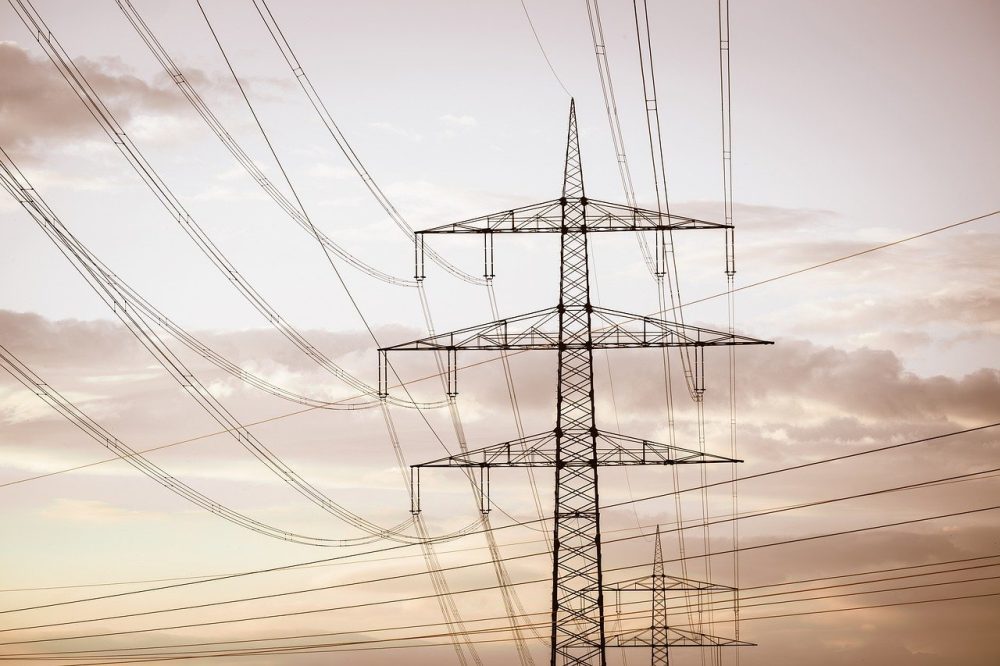
The first bottleneck to such expansion is the grid. Without a rapid build-out of high-voltage direct current (HVDC) transmission and grid-stabilisation upgrades, new nuclear baseload cannot reach emerging data centre hubs.
Therefore, policymakers must fast-track transmission investment to support such a development. If the grid lags AI growth, developers may co-locate SMRs on AI campuses, easing grid pressure.
However, this needs licensing, security, and operators drawn from Europe’s already thin nuclear workforce.
The second bottleneck is people: a lack of nuclear workforce threatens to stall new fleet deployment before construction even begins.
Regulators are likely to move toward EU-wide standardised certification so engineers, technicians, and safety inspectors can work across member states without re-licensing delays, while universities scale up specialised curricula in nuclear engineering, radioprotection, and AI-enabled reactor operations.
Whether Europe can power its AI ambitions will depend less on how many reactors it approves than on how quickly it can connect and staff them.
Learn more about Boss Energy here.