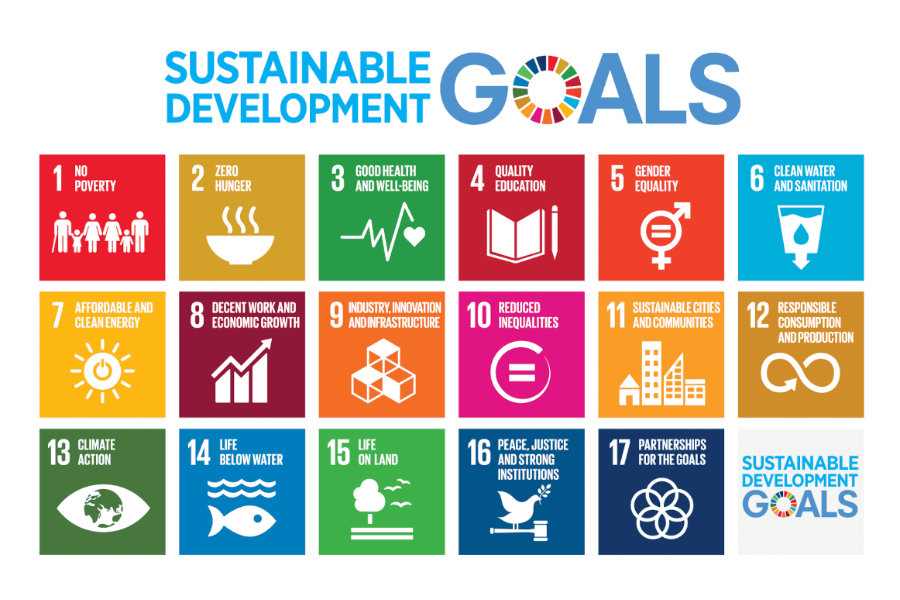
Goal 10 of the UN Sustainable Development Goals underscores the importance of reducing inequalities within and among countries through targeted policies and global cooperation.
What does UN SDG 10 include?
The targets outlined by the United Nations under Goal 10 provide a framework for action to reduce inequalities:
Reduce income inequalities (Target 10.1): By 2030, achieve sustained income growth for the bottom 40 percent of the population at a rate higher than the national average, ensuring that economic prosperity is shared more equitably among all segments of society.
Promote universal social, economic, and political inclusion (Target 10.2): Empower and promote the social, economic, and political inclusion of all individuals, regardless of age, sex, disability, race, ethnicity, origin, religion, or economic status, fostering a more inclusive society.
Ensure equal opportunities and end discrimination (Target 10.3): Eliminate discriminatory laws, policies, and practices to ensure equal opportunities and reduce inequalities of outcome, promoting appropriate legislation and action to address systemic barriers.
Adopt fiscal and social policies that promote equality (Target 10.4): Implement policies, including fiscal, wage, and social protection policies, to progressively achieve greater equality and reduce disparities in income and wealth distribution.
Improve regulation of global financial markets and institutions (Target 10.5): Strengthen the regulation and monitoring of global financial markets and institutions to mitigate the risks of economic instability and reduce inequalities exacerbated by financial speculation and market volatility.
Enhance representation for developing countries in financial institutions (Target 10.6): Ensure that developing countries have enhanced representation and voice in decision-making processes within global economic and financial institutions to promote more equitable and accountable governance structures.
Implement responsible and well-managed migration policies (Target 10.7): Facilitate orderly, safe, regular, and responsible migration and mobility of people through the implementation of planned and well-managed migration policies, promoting the rights and dignity of migrants.
Provide special and differential treatment for developing countries (Target 10.8): Implement the principle of special and differential treatment for developing countries, particularly least developed countries, in accordance with World Trade Organization agreements, to address structural inequalities in global trade.
Encourage development assistance and investment in least developed countries (Target 10.9): Promote official development assistance and financial flows, including foreign direct investment, to countries with the greatest need, such as least developed countries, to support their sustainable development efforts.
Reduce transaction costs for migrant remittances (Target 10.A): By 2030, reduce the transaction costs of migrant remittances to less than 3 percent and eliminate remittance corridors with costs higher than 5 percent, facilitating the flow of financial resources to families and communities in need.
According to the UN, by prioritising social inclusion, economic equity, and fair governance, nations can work towards creating a more just and equitable world for all individuals, regardless of their background or status.
To learn more about how to improve sustainability in your business, make sure you read www.sustainabilityonline.net. For more details on the UN’s Sustainable Development Goals, click here.