European cities are stepping up their use of artificial intelligence to improve energy efficiency and reduce consumption, ICLEI Europe has said.
According to the group, which represents a network of local and regional governments committed to sustainable urban development, several pilot locations are currently using the EU-funded COSMIC project to test the viability of AI to optimise district heating.
Lappeenranta, in Finland (which is a member of ICLEI Europe), is one such location, with the city using AI to assess leak detection, demand forecasting, and integrate thermal storage. The goal is to improve energy efficiency, lower costs, and develop scalable smart heating solutions suitable for cold-climate cities.
‘Inclusive and effective’
‘Across Europe, more cities are seeking similar innovations,’ ICLEI Europe noted. ‘With 50 million EU households affected by energy poverty, and major initiatives like the European Green Deal and Renovation Wave underway, local governments, startups and industry leaders are joining forces to ensure the green digital transition is both inclusive and effective.’
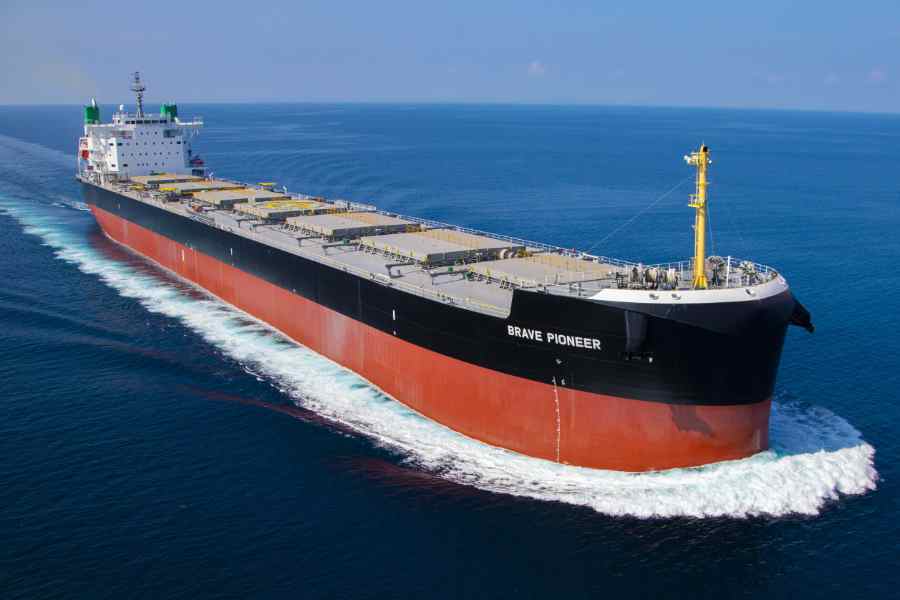
COSMIC is a collaborative venture involving more than 20 partners to develop AI-driven tools for energy optimisation across eight focus areas, including resource management, inclusive energy transitions, circular economy practices, and sustainable maritime transport.
According to ICLEI Europe, if scaled successfully, COSMIC has the opportunity to reduce energy use in buildings, industry and transport by between 10% and 20%.
COSMIC has launched an open call for innovative startups and small businesses working with AI and big data for energy savings, which can apply for funding and mentoring through the project. More information can be found here.
ICLEI Europe has worked on the past on various projects involving AI integration in cities, including supporting Valencia, Vilnius, and Nottingham in applying geospatial systems and AI to urban planning, while Bucharest, Lisbon, and Wolfsburg have used AI to boost local decision-making capabilities. Read more here.