Europe’s automotive industry is missing out on billions due to its dependence on Asian batteries: Deloitte
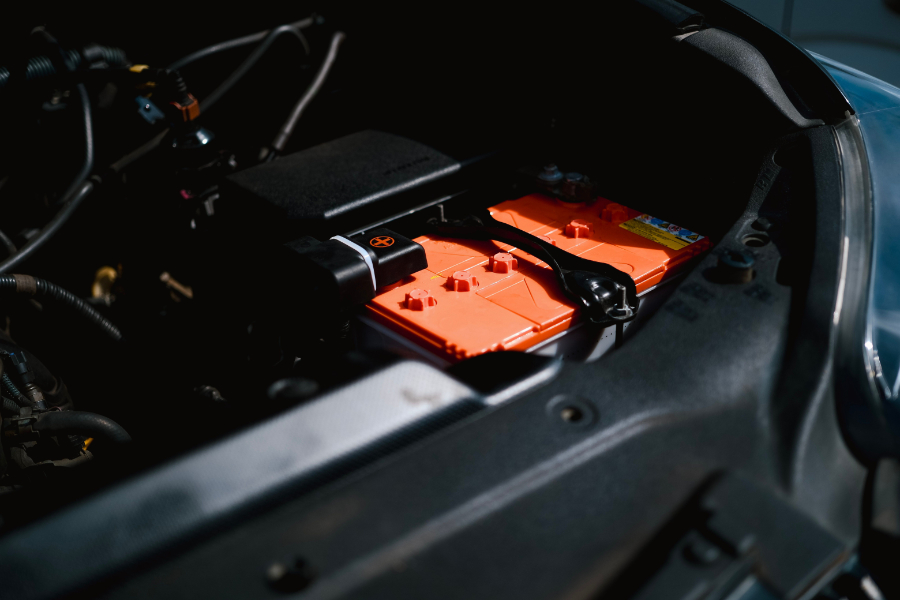
Car engine bay with a bright orange car battery visible under the open hood, cables and components surrounding it.

Europe’s automotive industry is missing out on more than €10 billion worth of profits due to its continued reliance on Asian battery manufacturers, a new report by Deloitte has found.

According to Deloitte, Europe is set to produce around 28 million electric vehicles by 2030, which will require a combined battery capacity of around 1,950 GWh.

At the same time, more than three quarters (77%) of EV battery cells were manufactured in Asia in 2025, up from 70% a year earlier, while Europe’s share remained unchanged at 13%. In addition, almost all (98%) of Europe’s battery production capacity is controlled by Asian companies, on a par with last year (97%).

By not producing these batteries themselves, European automotive firms could forgo approximately €10.5 billion in profits over the next four years, Deloitte said. However, if imported intermediate products, production facilities, and skilled workers seconded from Asia are also included, the lost added value could be between €100 billion and €150 billion by 2030.

‘Even greater pressure’

Batteries determine the range, performance, and price of an electric vehicle,” commented Harald Proff, head of the global automotive sector at Deloitte. “If European manufacturers are not competitive in this area, sales will come under even greater pressure in the future. The industry and policymakers must now work together to counteract this and reduce dependence, particularly on China.”

In 2025, global battery production capacity increased 26% year-on-year, to 920 GWh.

The analysis, which was based on production data and a survey of 222 decision-makers across 13 European countries, found that around 350 European firms currently operate across the battery value chain.

Battery value

The majority of battery value is created during raw material extraction and processing (between 50% and 60%), followed by battery cell production (15% to 30%). As Deloitte noted, the majority of European firms are underpositioned in both areas – some 83% identified battery cell component manufacturing as a major challenge, while 82% cited issues with raw material extraction and processing.

In addition, just two fifths (40%) of projects across the European battery value chain over the past three years were fully implemented as planned. Elsewhere, 80% of respondents said that current regulations have a negative impact on battery projects.

“Manufacturers are researching new battery technologies, but the problems lie in financing and industrialisation,” Proff added. “Investments and subsidies should cover not only the development phase, but also the first capital-intensive years of operation.

“Battery production is a long-term gamble that European companies can still win. For these investments, the industry needs long-term planning security and a clear commitment to electromobility. Europe can no longer afford to operate on a short-term basis when it comes to batteries.” Read more here.

Discover more from Sustainability Online

Subscribe now to keep reading and get access to the full archive.

Continue reading