With global extreme weather on the rise, a new study by MGI Tech, in partnership with the University of Lisbon, has examined the impact of Saharan dust on Portuguese agriculture, specifically the country’s vineyards.
As the study noted, the frequency of Saharan dust intrusions into southern Europe has increased by between six and twelve tines since 2020, with each intrusion carrying microorganisms that alter soil health and threaten key crops – Portuguese wine production fell by 8% last year.
The study sought to understand how Saharan dust – which is becoming increasingly frequent due to climate change – is transforming Portuguese soils and affecting the quality and productivity of the country’s vineyards. It also sought to identify opportunities to improve crop productivity, quality and sustainability.
Bidirectional impact
“The impact of dust is bidirectional: it can bring risks that threaten productivity, but it also carries microorganisms with biotechnological potential,” commented Prof. Ricardo Dias, researcher at the University of Lisbon. “We need to monitor and understand both sides to protect and enhance Portuguese agricultural resilience.”
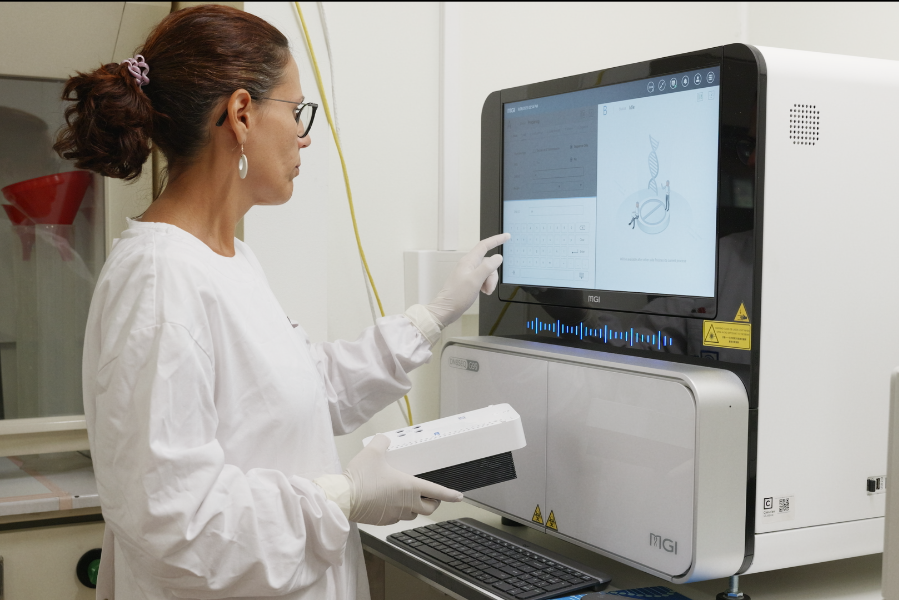
Using MGI Tech’s DNBSEQ-G99 sequencing platform, researchers identified and mapped the microorganisms in dust, soil, and plants, detecting the potential risks to agriculture, as well as the beneficial microorganisms that could offset the dust’s impact.
Natural fertiliser
“The G99 enabled us to identify, during storm Célia and in Portugal, a bacterial genus with potential to act as a natural fertiliser, demonstrating the immediate value of this kind of monitoring,” Dias added. “We have also been testing non-native microbial consortia that increase vineyard resilience, improve grape quality and reduce the need for pesticides.”
Elsewhere, Duncan Yu, president of MGI Tech, said that the collaboration with the University of Lisbon “demonstrates how sequencing can turn dust into data – starting in vineyards, but ultimately building a system of microbial intelligence for agriculture at large”. Read more here.