Poor inventory management and lacklustre supply chain visibility are contributing to a growing meat waste problem in global retail, a new report by Avery Dennison has found.
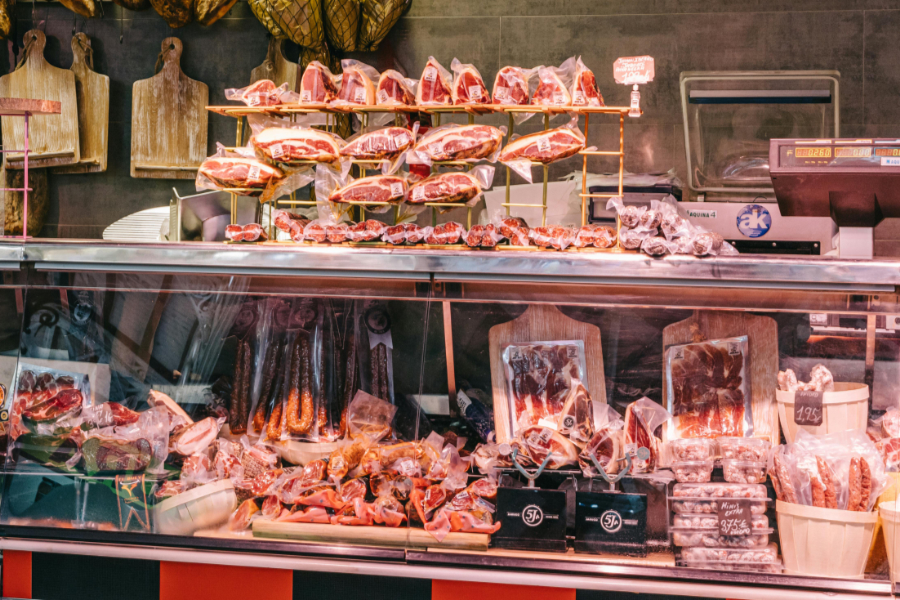
According to Avery Dennison’s Making the Invisible Visible report, meat waste is the highest food waste cost for retailers, and is set to be valued at $94 billion this year alone. This could rise to $103 billion by the end of the decade, if the issue isn’t addressed.
The report was released to coincide with the UN’s International Day of Zero Waste on 30 March.
As it found, two thirds (67%) of retailers still rely on manual processes to manage food inventory, while a quarter (24%) are struggling to keep up with growing demand for meat, from consumers that are following high-protein diet trends.
Some 72% identified managing meat waste as their single biggest operational challenge, while 74% said that the current inflationary situation is making it harder to forecast demand accurately, intensifying the risk of over-ordering, missed markdown opportunities and avoidable waste.
Four fifths (79%) of respondents, meanwhile, see value in investing in new technologies to improve inventory accuracy, unlock savings, and reduce waste.
‘Environmentally intensive’
“Meat waste is expected to cost retailers $94 billion globally this year, and it has become one of the most expensive and environmentally intensive challenges in food retail,” commented Mike Colarossi, vice president and head of enterprise sustainability, Avery Dennison. “As we mark the UN’s International Day of Zero Waste, it’s clear that visibility remains a challenge across the supply chain, and without it, companies cannot intervene to address sources of waste.
“Food waste must be reframed as an economic opportunity, not just a sustainability issue. By giving every product a digital identity, companies across the value chain can improve visibility and move from reactive management to proactive waste prevention. This shift protects resources, recovers value and strengthens P&L performance while building more resilient and efficient supply chains.”
The environmental impact from food waste is significant – the cumulative cost of food waste from 2025 to 2030 is expected to reach $3.4 trillion – with a quarter of retailers (27%) not confident in meeting the UN’s Sustainable Development Goal 12.3, which aims to halve food waste by 2030.
One in ten, meanwhile, have put projects to halve food waste on hold altogether.
‘Uniquely placed’
“Amid growing volatility and higher consumer expectations, every inefficiency in the food supply chain – every wasted pallet, unsold shipment, or stockout – is felt more sharply than ever,” added Luna Atamian Hahn-Petersen, senior manager sustainability strategy, Accenture.
“In this environment, retailers are uniquely placed to orchestrate a system that unlocks value for all involved. We are sitting on a $540 billion opportunity to transform the grocery sector, and many of the answers already exist. By monitoring food products through every stage of the value chain, we can turn data into action and proactively prevent waste.” Read more here.