
Emissions from FTSE 100 companies rose by 3% last year
Supply chain emissions from businesses in the FTSE 100 index rose by 3% last year, new research from supply chain…

A business news platform with a sustainable focus. Featuring the latest sustainability news and ESG insight, viewed through a business lens.

Scope 3 Emissions are the indirect greenhouse gas emissions that occur across an organisation’s value chain, both upstream and downstream. Unlike Scope 1 and Scope 2 emissions, Scope 3 covers emissions generated by suppliers, business travel, purchased goods and services, product use, transport, waste and other activities outside a company’s direct control. For many organisations, Scope 3 emissions represent the largest share of their overall carbon footprint and are increasingly central to sustainability reporting, net zero strategies and regulatory compliance.
SustainabilityOnline keeps you informed about the latest developments in Scope 3 emissions reporting, including carbon accounting methodologies, value chain emissions, supplier engagement, emissions data, climate disclosure requirements and evolving best practice. We explore how organisations are measuring and reducing Scope 3 emissions, improving data quality, adopting reporting technology, preparing for CSRD and other sustainability regulations, and integrating value chain emissions into wider decarbonisation strategies. We also examine developments in reporting standards, net zero planning, climate risk and corporate sustainability reporting.
Related topics: Scope 3 emissions, value chain emissions, carbon accounting, greenhouse gas emissions, supplier engagement, emissions data, sustainability reporting, ESG reporting, CSRD, net zero strategies, decarbonisation, climate disclosure, reporting technology, supply chain transparency, GHG Protocol and corporate climate strategy.
Supply chain emissions from businesses in the FTSE 100 index rose by 3% last year, new research from supply chain…

The Consumer Goods Forum’s Net Zero Coalition of Action has published a new set of supplier sustainability targets, with which…

Scope 3 emissions are the indirect emissions that occur in the value chain of a business, but are not directly owned or controlled by it.

Environmental advocacy organisation Madre Brava has urged retailers to align their protein product sales with planetary health goals.
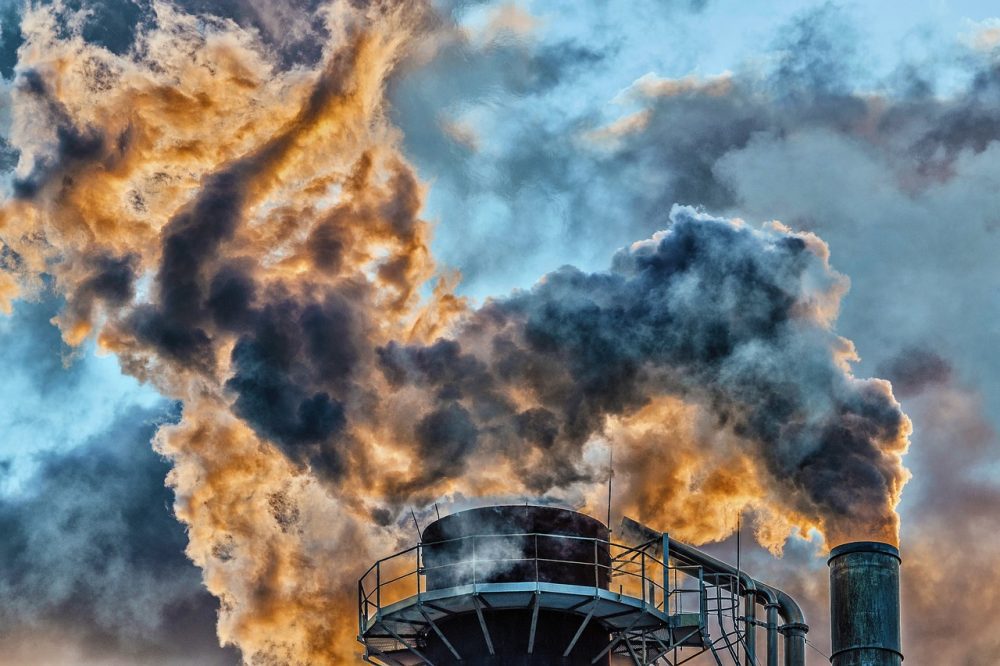
A new study has found that Scope 1 and 2 emissions account for just 2% of the total emissions of the European retail and wholesale sector.

Danish dairy brand Arla has announced a series of measures aimed at reducing emissions among its farmer owners.

Cost is the biggest barrier for firms seeking to achieve their sustainability targets, a new report from ISG has found.

Some 86% of businesses in India see a ‘moderate to strong’ relationship between sustainability and profitability, a study by SAP has found.
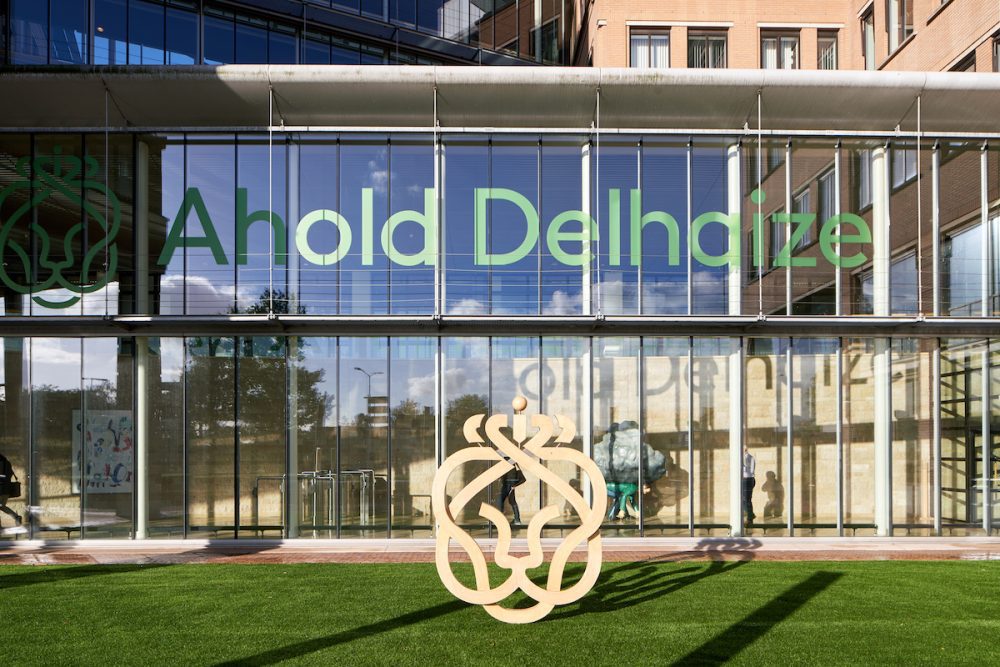
Dutch retailer Ahold Delhaize has introduced ‘open source climate hubs’ for suppliers to learn about carbon emissions.

Close to half of businesses in the United States (45%) are concerned that they could be at risk of ‘unintentional greenwashing’.